News
What Is “SantoriMary”?

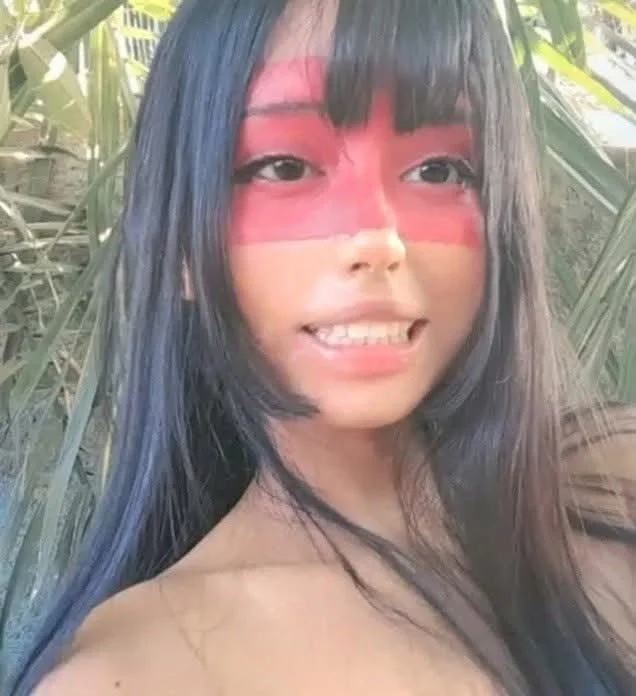
SantoriMary refers to both:
-
A viral meme that emerged on social media in mid-2025, featuring the image of a Brazilian cosplayer, often captioned:
“This is what Christopher Columbus saw when he pulled up to America.” The image—cosplaying the BRchan mascot Kuruminha with red face paint—ignited widespread meme usage. -
A Solana-based crypto token—symbol SANTORI—tied to the same name, with trading activity and listings on various decentralized (PumpSwap, Solscan) and centralized platforms.
Who Is Behind the Meme?
The image originates from a private post shared by a Brazilian cosplayer known on social platforms as @SantoriMary, also referred to as mimiesquisitinha on Instagram. The costume represents Kuruminha, a mascot from Brazilian imageboard culture. The meme quickly catapulted her into viral fame, albeit reluctantly.
Her reaction—including a hesitant Instagram post with the caption, “I don’t like people distrusting me”—reflects her discomfort with how her image was appropriated and widely circulated.
Why Did It Go Viral?
The meme’s rapid spread owes much to cultural layering and contrast:
It transformed a fan cosplay into a meme that juxtaposed Indigenous imagery with the dark history of colonial violence. In particular, its caption references the sexual assault of Carib women allegedly perpetrated by Columbus and crew—a profoundly unsettling historical context.
The transition from a fan art “Chel” meme (October 2024) to the authentic image of a real person (May 2025), strikingly crisis-aimed at historic trauma, made the meme more provocative and emotionally resonant—leading to over 300,000 likes and thousands of reposts within days.
Media outlets like The Hearty Soul and Know Your Meme further amplified the narrative, highlighting the clash between unwanted fame, internet culture, and colonial satire.
When Did This Happen?
The meme format traces back to October 2024, with a cartoon-based iteration gaining modest traction.
The defining moment occurred on May 25, 2025, when @uncleHsTopGuy posted the photo of SantoriMary with the Columbus caption—and it immediately went viral.
Media coverage and meme archives followed shortly after, cementing the image’s place in internet lore by late May 2025.
Where Did the Meme and Token Gain Traction?
-
Social Media Platforms: The image circulated extensively on X/Twitter, Instagram, and Reddit—often detached from SantoriMary’s private social profiles.
-
Meme Archive Sites: Entries on Know Your Meme and roundup posts like KYM’s weekly memes documented its cultural reach.
Crypto Ecosystem:
- PumpSwap and Pump.fun listed the SANTORI token with minimal bonding curve activity.
- Solscan and Solana Tracker detailed the token’s transactions, volume, holders, and market cap (~$4K–$5K as of early August 2025).
- ListingSpy confirms the project’s appearance but offers limited data, signaling tentative interest and possible concern over legitimacy.
So What? (1) – Cultural and Personal Impact
Unintended Internet Fame and Identity
SantoriMary’s experience underscores the fragility of personal image in the age of memes. A cosplay intended for a niche community became emblematic of colonial commentary—stripping her of narrative control. Her silence and private profile reflect many creators’ discomfort with virality.
Memes as Vectors of Historical Commentary
This meme transcends typical humor—it uses dark history as punchline. Such irony-driven memes can spread rapidly, but the implications—especially when tied to real individuals and sensitive topics—are complex and ethically fraught.
So What? (2) – Crypto, Virality, and Risk
Meme Tokens and the Dangers of Opportunism
SANTORI token appears to capitalize on the meme’s virality, riding the wave of searchability without verifiable project substance. Small market cap, unverified status, and opaque creator information suggest caution. It reflects a broader phenomenon of meme-themed tokens with potentially exploitative or speculative aims.
Digital Identity vs. Digital Commodity
SantoriMary the person—and SANTORI the token—blur identity and brand. While one involves personal boundary violation, the other risks commodifying her image further. This convergence spotlights how memes can spawn entire fringe markets—and potentially legal gray zones.
Summary
-
What? A viral meme featuring SantoriMary in Kuruminha cosplay with a dark Columbus joke—and a crypto token named after her.
-
Who? A Brazilian cosplayer unexpectedly thrust into meme culture.
-
Why? Combination of provocative imagery, historical irony, and fast meme mechanics made it spread globally.
-
When? Gained viral traction in May 2025 after earlier cartoon-style antecedents in late 2024.
-
Where? Circulated across X, Reddit, Instagram, KYM—then loosely transitioned into decentralized token listings.
-
So What?
-
Highlights the complexities of unconsented virality and cultural commentary in memes.
-
Serves as a cautionary tale about meme-based crypto tokens and the blurred line between fame and exploitation.
-


News
OpenSkyNews: The Fast-Growing Entertainment and Pop Culture News Platform in the U.S. (2026 Guide)



HUAWEI gt 7: Smart Training for Every Outdoor Adventure

The Tech in Your Home is More Advanced Than You Think – Does It Truly Preserve Your Valuables?