News
Ya Koo 1985 Wajapi Boy – The Untold Story of a Forgotten Amazonian Legacy

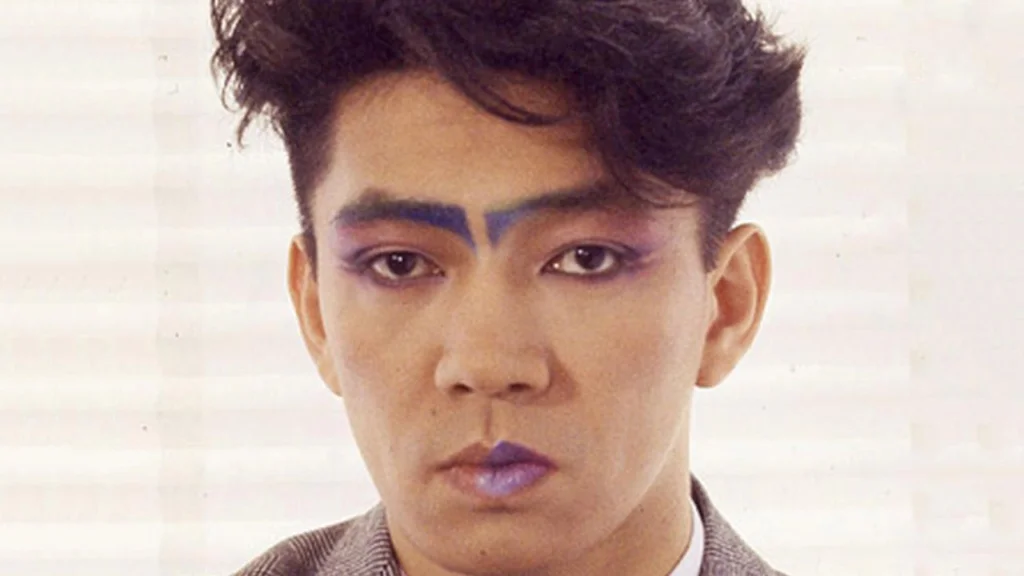
The Ya Koo 1985 Wajapi Boy story is one of the most fascinating yet lesser-known tales from the Amazon. It connects to the Wajãpi people, an indigenous tribe living in the dense rainforests of northern Brazil, known for their unique culture, language, and artistic body painting traditions. This article uncovers who Ya Koo was, the cultural background of the Wajapi tribe, and why the 1985 incident involving a young Wajapi boy still resonates in anthropology and indigenous history discussions today.
1. Who Was Ya Koo – The Wajapi Boy of 1985?
The story of Ya Koo, often referred to as the “Wajapi boy from 1985”, is believed to originate from early anthropological fieldwork and ethnographic records documenting the Wajapi tribe.
While detailed official records are scarce, oral and cultural references suggest that Ya Koo was a young Wajapi child discovered by researchers or journalists during expeditions in the mid-1980s. That period marked a time when the outside world began documenting Amazonian tribes more closely, leading to both cultural exchange and conflict.
Ya Koo symbolizes the innocence of native children growing up in untouched environments—unaware of the external political, economic, and environmental pressures surrounding their people. Many believe his story highlights the tension between tradition and modernization, particularly as industrial expansion started threatening indigenous lands during that decade.
2. The Wajapi Tribe – Guardians of the Amazon
The Wajãpi (Waiãpi) people are an indigenous group primarily located in the Amapá and Pará states of Brazil and parts of French Guiana. They speak the Wajãpi language, part of the Tupi-Guarani linguistic family, and are known for their colorful body paint art, which uses natural dyes derived from plants.
To the Wajapi, body paint isn’t just decoration—it’s a living language, symbolizing identity, protection, and spirituality. Each design tells a story, connects individuals to nature, and marks important moments like birth, initiation, or hunting rituals.
During the 1980s, when Ya Koo would have been a child, the Wajapi tribe was experiencing both first contacts with outsiders and the rising threat of deforestation, illegal mining, and land encroachment. Anthropologists often documented the resilience and adaptability of the Wajapi people, emphasizing how they maintained their traditions despite growing external influences.
3. 1985 – A Year of Change and Discovery
The year 1985 holds particular importance in Brazil’s indigenous history. It marked a turning point as the country transitioned from military dictatorship to democracy, allowing more focus on environmental and indigenous rights.
During this period, numerous expeditions into the Amazon Basin were carried out by scientists, journalists, and NGOs to document isolated tribes like the Wajapi. It was within this context that Ya Koo’s story reportedly surfaced—an emblem of innocence representing the fragile boundary between ancient indigenous worlds and modern civilization.
Some researchers suggest that “Ya Koo” could have been a pseudonym given by anthropologists to protect the child’s identity, which was a common practice when documenting indigenous minors. His portrayal in journals and cultural studies reflected the deep curiosity and respect toward the Wajapi lifestyle, and the desire to preserve their heritage amid a rapidly changing Brazil.
4. Cultural Significance of the Ya Koo Story
The Ya Koo 1985 story carries symbolic significance beyond one child—it reflects the struggles of the Wajapi tribe and other indigenous communities to protect their way of life.
The Wajapi worldview centers around balance with nature, communal living, and deep respect for spiritual beings believed to inhabit forests, rivers, and animals. Ya Koo, as a Wajapi boy, would have been raised learning to hunt, paint, and listen to ancestral tales—values that define the tribe’s cultural continuity.
Modern anthropologists view Ya Koo’s story as a metaphor for lost innocence, as the Wajapi and other tribes continue to fight for land rights and cultural recognition. The Brazilian government later recognized the Wajapi Indigenous Territory in the 1990s, ensuring their legal protection—but environmental threats and illegal mining persist today.
5. The Legacy of the Wajapi and Indigenous Representation
Even decades after 1985, the legacy of Ya Koo and the Wajapi continues to inspire global movements advocating for indigenous preservation. The Wajapi tribe gained worldwide attention in 2019, when news of violence and land invasion against them spread internationally, reminding the world of their fragile existence.
Artists and documentary filmmakers have since revisited the Wajapi story, portraying their oral traditions, dances, and paintings as living art forms. Ya Koo’s symbolic image—that of a young Wajapi boy from a forgotten era—represents not just one tribe’s heritage, but the entire indigenous struggle for recognition, dignity, and survival in a rapidly globalizing world.
Today, organizations like FUNAI (National Indian Foundation) and Survival International work with the Wajapi to document their language, songs, and rituals, ensuring that stories like Ya Koo’s remain preserved for future generations.
6. Why the Ya Koo 1985 Wajapi Boy Story Still Matters Today
The world continues to change rapidly, yet stories like Ya Koo 1985 Wajapi Boy remind us of the importance of cultural preservation and human connection.
In a time when technology dominates, remembering Ya Koo—a child of the forest, untouched by modern distractions—helps us reflect on what humanity loses when nature and tradition fade away. The Wajapi teach us that life is a dialogue with the earth, and their children, like Ya Koo, are the living embodiment of that balance.
Preserving such stories is not just about history—it’s about protecting a worldview that sees humans as part of nature, not separate from it. The Ya Koo story stands as a timeless reminder of the beauty, mystery, and resilience of the Wajapi people and all indigenous cultures worldwide.
FAQs
1. Who are the Wajapi people?
The Wajapi are an indigenous tribe in northern Brazil and French Guiana, known for their body art, language, and sustainable forest living.
2. Was Ya Koo a real historical figure?
While exact records are limited, Ya Koo is believed to have been a real Wajapi child encountered during 1985 research expeditions.
3. Why is 1985 significant to the Wajapi tribe?
It was a period of political transition in Brazil, during which indigenous rights began to gain more national and global attention.
4. What language do the Wajapi speak?
They speak Wajãpi, a member of the Tupi-Guarani language family.
5. How are the Wajapi protected today?
The Wajapi Indigenous Territory is recognized by the Brazilian government, though it still faces environmental threats from illegal mining and deforestation.

News
OpenSkyNews: The Fast-Growing Entertainment and Pop Culture News Platform in the U.S. (2026 Guide)



HUAWEI gt 7: Smart Training for Every Outdoor Adventure

The Tech in Your Home is More Advanced Than You Think – Does It Truly Preserve Your Valuables?