Travel
Your Guide to Backcountry Exploration

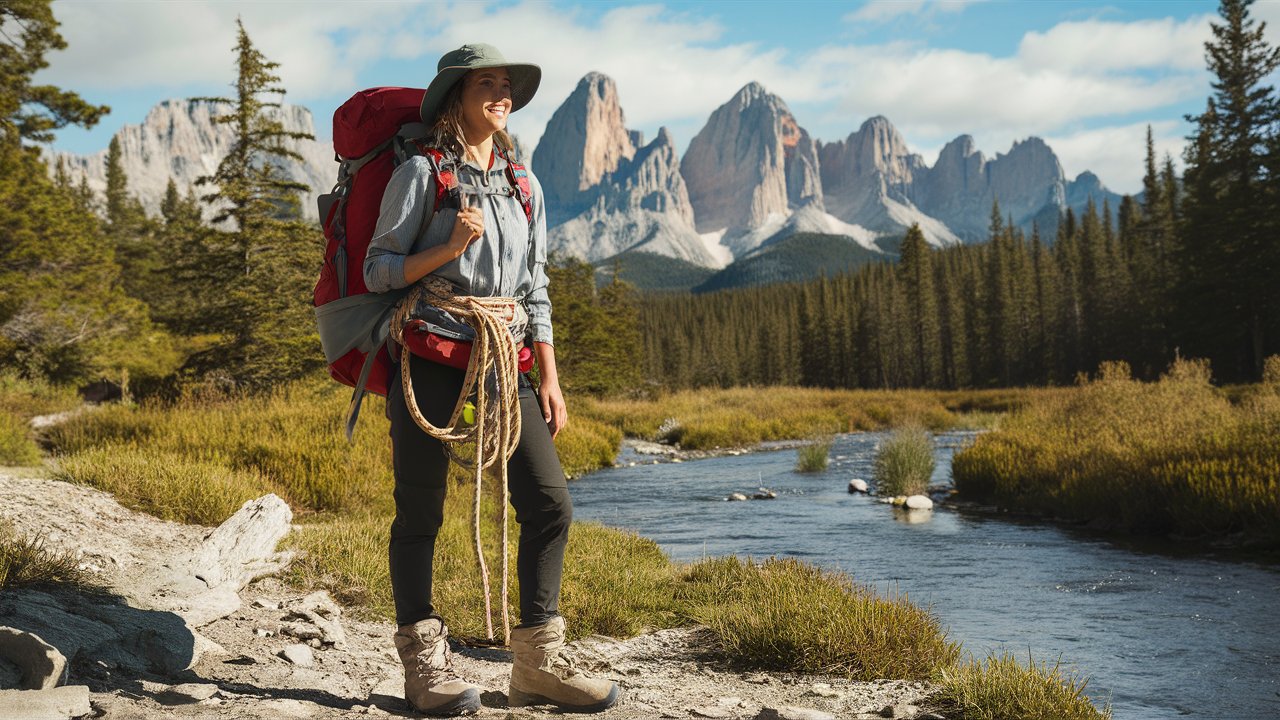
Have you ever looked at a mountain peak from a crowded trail and wondered what lies beyond? Backcountry exploration is about leaving the marked paths and venturing into the wild, undeveloped areas of nature. It’s an opportunity to find solitude, challenge yourself, and connect with the wilderness on a much deeper level.
Gear Up: Your Backcountry Essentials
The right gear is crucial for a safe and enjoyable trip. While the specific items will depend on your trip’s length and location, there are some non-negotiables.
The Big Three
These are typically the heaviest itemws in your pack and form the foundation of your gear list:
- Backpack: Choose a pack that fits your torso length and has enough capacity for your gear. For overnight trips, a 50-65 liter pack is a good starting point. Look for features like adjustable straps, a hip belt, and good back ventilation.
- Shelter: A lightweight tent is the most common option. For solo hikers, a one-person tent saves weight, while two-person tents offer more space. Other options include hammocks or bivvy sacks, depending on the environment.
- Sleeping System: This includes your sleeping bag and sleeping pad. Select a sleeping bag with a temperature rating appropriate for the conditions you expect. A sleeping pad provides insulation from the cold ground and adds comfort.
Navigation Tools
Never rely solely on your phone.
- Map and Compass: A physical map of the area and a reliable compass are essential. More importantly, you need to know how to use them together.
- GPS Device or App: A dedicated GPS unit or a smartphone app with downloaded offline maps (like Gaia GPS or AllTrails Pro) is an excellent supplement to your map and compass. Always carry a portable power bank to keep it charged.
Safety and First Aid
Be prepared for the unexpected.
- First-Aid Kit: You can buy a pre-made kit or build your own. It should include bandages, antiseptic wipes, blister treatment, pain relievers, and any personal medications.
- Emergency Communication: A personal locator beacon (PLB) or a satellite messenger (like a Garmin inReach) can send an SOS signal in an emergency, even without cell service.
- Multi-tool or Knife: Incredibly useful for gear repairs, food preparation, and first aid.
- Headlamp or Flashlight: Essential for navigating in the dark. Always bring extra batteries.
Plan Your Adventure
A successful backcountry trip begins long before you hit the trail. Thorough planning is the most important step you can take to ensure your safety.
Route Planning
Start with a well-documented, beginner-friendly route. Use online resources, guidebooks, and topographical maps to understand the terrain, distance, and elevation gain. Calculate your expected daily mileage based on your fitness level, keeping it conservative for your first few trips.
Check the Conditions
Weather in the backcountry can change rapidly. Check the forecast right up until you leave and be prepared for a range of conditions. Look for information on trail conditions, snow levels, and water source availability from park ranger stations or recent trip reports online.
Create an Emergency Plan
Always leave a detailed itinerary with someone you trust. This should include your planned route, your expected return date, and the names of everyone in your group. Agree on a time to call for help if you don’t return as scheduled.
Master Basic Navigation
Getting lost is a serious risk in the backcountry. Developing solid navigation skills is non-negotiable.
- Map Reading: Learn to read a topographical map. Understand contour lines, which indicate elevation and steepness. Identify key features like rivers, peaks, and ridgelines that you can use as landmarks.
- Using a Compass: Practice taking a bearing from your map and using it to orient yourself in the field. A compass is your most reliable tool when visibility is poor or your GPS fails.
- GPS Navigation: While useful, electronic devices can fail. Use them to confirm your position on your physical map, but don’t become completely dependent on them.
Stay Safe Out There
The backcountry is home to unpredictable elements and wildlife. Knowing how to handle these situations is key.
Wildlife Encounters
Research the wildlife common to the area you’re visiting. In North America, this often includes bears, moose, and mountain lions.
- Food Storage: Store all food, trash, and scented items (like toothpaste) in a bear canister or a proper bear hang, at least 200 feet away from your campsite. Proper food storage protects both you and the animals.
- Make Noise: Talk, sing, or clap your hands periodically while hiking to avoid startling animals. A surprised bear is a dangerous bear.
- Know What to Do: Understand the appropriate response for different animal encounters. For example, you should stand your ground and make yourself look big if you see a bear, but never run. Many people who stay at a bear lodge in Alaska learn these tips from experienced local guides.
First Aid
Take a wilderness first-aid course. These courses are specifically designed to teach you how to handle medical emergencies when you’re far from professional help. Learn to recognize and treat common issues like dehydration, hypothermia, and sprains.
Follow Leave No Trace Principles
As visitors to the wilderness, we have a responsibility to protect it. The seven Leave No Trace principles provide a framework for minimizing our impact.
- Plan Ahead and Prepare: As we’ve discussed, this is crucial for both safety and minimizing impact.
- Travel and Camp on Durable Surfaces: Stick to established trails and campsites. Avoid trampling vegetation.
- Dispose of Waste Properly: Pack it in, pack it out. This includes all trash, leftover food, and even toilet paper.
- Leave What You Find: Let others enjoy the beauty of the wilderness. Leave rocks, plants, and other natural objects as you find them.
- Minimize Campfire Impacts: Use a camp stove for cooking. If you must have a fire, use an existing fire ring and make sure it’s completely out before you leave. Be aware of fire bans.
- Respect Wildlife: Observe animals from a distance. Never feed them.
- Be Considerate of Other Visitors: Keep noise levels down and respect the experience of others.
Conclusion
Backcountry exploration offers a sense of freedom and accomplishment that is hard to find elsewhere. It pushes you to be self-reliant, resilient, and more connected to the natural world. While the initial learning curve may feel steep, every skill you master and every trip you complete will build your confidence.

Udaipur, renowned as the “City of Lakes,” is synonymous with royal heritage, architectural splendor, and cultural richness. Among its most iconic landmarks is the Taj Lake Palace, a floating palace that epitomizes luxury and regal charm. Set amidst the serene waters of Lake Pichola, this historic hotel offers travelers more than just accommodation; it provides an immersive experience into the opulent lifestyle of Rajasthan’s royalty. From its meticulously crafted architecture to curated cultural experiences, the palace has become a symbol of elegance and timeless beauty.
This guide explores the unique features, experiences, and insights that make visiting the Taj Lake Palace Udaipur a journey worth planning, helping travelers make informed decisions for a memorable stay.
Architectural Splendor and Heritage Charm
Step into a world where centuries-old design meets regal grandeur: Taj Lake Palace is a living testament to Rajasthan’s architectural mastery and royal heritage, reflecting the artistry and vision of its creators.
- Historical Significance and Origins:Built in the mid-18th century by Maharana Jagat Singh II, the palace initially served as a summer retreat for royalty. Its location at the heart of Lake Pichola allows it to float gracefully, reflecting the surrounding Aravalli hills and the city’s historic skyline. Visitors are treated to an authentic glimpse of royal life, where every corridor and courtyard tells a story of a bygone era.
- Intricate Designs and Craftsmanship:The palace is a testament to Rajputana artistry, featuring delicate marble carvings, hand-painted frescoes, and ornate arches. Intricately designed balconies and terraces provide panoramic lake views, creating an aesthetic experience that balances luxury and heritage. Each architectural element has been carefully preserved to retain historical authenticity while accommodating modern comforts.
- Integration of Nature and Structure:The palace’s design emphasizes harmony with its natural surroundings. Large windows and open courtyards allow natural light to illuminate interiors while offering unobstructed views of Lake Pichola. Gardens and water features within the palace enhance the sense of tranquility, ensuring guests enjoy both scenic beauty and architectural grandeur simultaneously.
Luxurious Accommodations and Personalized Services
Experience opulence redefined with accommodations that combine antique elegance and modern comfort, alongside bespoke services that anticipate every traveler’s need for a seamless, indulgent stay.
- Elegant Suites and Rooms:The Taj Lake Palace Udaipur offers a range of accommodations, from opulent suites to intimate rooms, each furnished with antiques, intricate textiles, and subtle modern amenities. Many rooms include private balconies overlooking the lake, allowing guests to witness sunrise or sunset reflections over the water, creating a truly magical experience.
- Tailored Guest Services:Personalized services include 24-hour concierge support, in-room dining, and dedicated butler assistance. These services are designed to anticipate guest needs and provide a seamless experience, ensuring that every stay is comfortable, indulgent, and uniquely memorable.
- Exclusive Experiences Within the Palace:Guests can participate in curated activities such as traditional Rajasthani cooking sessions, heritage walks through palace corridors, or private boat rides on Lake Pichola. These experiences are crafted to offer cultural insight alongside luxury.
Culinary Excellence and Dining Experiences
Beyond stunning views, the palace offers a culinary journey through Rajasthani flavors and global cuisine, where each dining experience is thoughtfully curated to delight the senses and provide cultural immersion.
- Gourmet Restaurants and Traditional Cuisine:Dining at the palace is a journey in itself. From rooftop restaurants offering panoramic lake views to intimate private dining setups, the culinary options cater to diverse tastes. Signature dishes highlight traditional Rajasthani flavors, using locally sourced ingredients, while international favorites ensure a versatile dining experience for all guests.
- Specialty Culinary Experiences:Guests can participate in interactive culinary sessions, including regional cooking workshops and chef-led demonstrations. These experiences allow travelers to gain an understanding of Rajasthani cuisine, culinary techniques, and traditional presentation styles.
- Curated Dining Events:The palace organizes themed dinners, seasonal tasting menus, and culturally immersive meals during festivals or special occasions. These curated events provide not only exceptional food but also insights into local customs, storytelling, and ceremonial practices, enriching the overall guest experience.
Cultural Immersion and Local Exploration
Engage deeply with Udaipur’s rich traditions through guided heritage tours, scenic lake excursions, and interactive folk experiences, making every moment at the palace a culturally enriching adventure.
- Guided Heritage Tours:The palace offers curated tours of Udaipur’s historic landmarks. Knowledgeable guides explain architectural details, historical anecdotes, and cultural significance, providing context and depth to every exploration.
- Lake Cruises and Scenic Excursions:Lake Pichola serves as a gateway to Udaipur’s scenic and cultural richness. Guests can enjoy sunrise and sunset cruises, capturing views of the palace against the backdrop of the city and surrounding hills. Photography enthusiasts and casual travelers alike find these excursions uniquely rewarding.
- Engagement with Local Traditions:The palace introduces guests to folk arts, music, and dance traditions, including live performances by local artists. Workshops on crafts, miniature painting, and textile making offer hands-on interaction.
Sustainable Practices and Responsible Tourism
Luxury meets responsibility at the palace, with eco-conscious initiatives, heritage conservation efforts, and community engagement that ensure a sustainable, meaningful experience for guests and locals alike.
- Conservation of Heritage Structures:Preserving the palace’s historic architecture is central to its ethos. Continuous restoration ensures that frescoes, marble work, and carved details remain intact. Conservation initiatives also include guided awareness for guests.
- Eco-Friendly Initiatives:The palace incorporates sustainable practices, such as energy-efficient lighting, water conservation measures, and waste management systems. These initiatives demonstrate that luxury hospitality can coexist with environmental responsibility.
- Supporting Local Communities:By sourcing materials, ingredients, and services locally, the palace contributes to the regional economy and empowers local artisans. Cultural programs, workshops, and employment opportunities foster sustainable tourism.
Conclusion
Experiencing the Taj Lake Palace Udaipur is an opportunity to witness the perfect marriage of historical grandeur, luxurious accommodations, cultural immersion, and responsible tourism. From its architectural brilliance to curated experiences and world-class hospitality, every detail has been meticulously designed to provide an unforgettable stay. Travelers seeking a blend of relaxation, culture, and heritage will find this palace unparalleled in its offerings.
For those planning their visit, booking through a reliable platform like Goibibo ensures a seamless experience and access to tailored packages that suit personal preferences. Elevate your journey to Udaipur by experiencing the magic of this floating palace firsthand. Explore exclusive stay options and plan your regal escape with Goibibo today.

Portugal packs an extraordinary amount of variety into a compact country, making it ideal for a multi-stop trip that blends culture, cuisine, and scenery. From art-rich cities and UNESCO World Heritage sites to wild coastlines and volcanic islands, we’ll highlight 5 must-see locations to help UK travellers plan a balanced and rewarding route through Portugal.
To further enhance their appeal, official tourism boards and UNESCO listings consistently rank these destinations among the country’s standouts. In other words, these are spots you simply cannot miss.
1) Lisbon & Sintra: Palaces, Parks, and Atlantic Light
Starting in Lisbon, where historic trams climb sunlit hills, and viewpoints overlook the Tagus estuary. The city’s waterfront neighbourhoods and café culture pair perfectly with a short hop to Sintra, a UNESCO-listed landscape of romantic palaces, forested parks, and pastel-coloured architecture.
The combination of both Lisbon and Sintra creates a natural introduction to Portugal’s history and atmosphere, and many curated Portugal holidays use both cities as an easy, culture-packed opening leg.
2) Porto & the Douro Valley
Porto’s riverside Ribeira district, tiled churches, and historic centre are recognised by UNESCO for their cultural significance. It’s an entrancing and colourful area, whether you explore it during the day or night.
After exploring the city, follow the Douro River inland through terraced vineyards, where boat trips and scenic drives reveal one of Europe’s most beautiful wine regions. It’s an ideal pairing of urban heritage and rural panoramas, with local cuisine and wines adding depth to the experience.
3) Evora & Alentejo Heritage
Inland Alentejo offers a slower pace, anchored by Evora’s whitewashed streets and Roman, medieval, and Renaissance landmarks. As part of Portugal’s wider UNESCO-recognised heritage landscape, the city rewards unhurried exploration.
Beyond Evora, rolling plains present olive groves and traditional cooking, showcasing a side of Portugal that feels refreshingly calm and deeply rooted in tradition.
4) Algarve Coastlines
The Algarve is famous for golden beaches, but its real charm lies in variety. Dramatic limestone cliffs, quiet coves and coastal walking paths sit alongside lively fishing towns and local markets. Choosing a base near the coast allows travellers to blend beach days with hikes and boat trips, creating a flexible stop that balances relaxation with exploration.
5) Madeira or the Azores: Nature Escapes
For a final flourish, head offshore. Madeira offers levada walks, volcanic peaks and the ancient Laurisilva laurel forest, while the Azores deliver crater lakes, geothermal springs and dramatic Atlantic scenery. Both islands are celebrated by Portugal’s tourism board for their natural heritage and outdoor appeal.
Before travelling, UK visitors should also check up-to-date safety and entry guidance. With thoughtful planning, these 5 destinations combine to form a rich, varied journey that shows exactly why Portugal continues to captivate travellers year after year.

A successful business trip is all about preparation. By picking up a few corporate travel hacks learned by seasoned travelling professionals, you can explore ways to maximize your budget, make journeys more comfortable and protect yourself against delays and disasters. Below are 10 examples of such hacks that could be useful to know for your next business trip.
Arrive 24 hours before any work events
Arriving a full day before any important meetings or conferences is highly recommended. If flights are delayed, luggage is lost or there are problems getting to your hotel, you won’t be left panicking about whether you’ll make tomorrow’s event. Arriving early also gives you time to get settled, adjust to time zone differences and potentially even do some leisurely exploring. Never book a late night flight before a morning meeting even if it’s the cheapest option – there’s too much that can go wrong.
Allow room in your budget for flight extras
Flying loses its glamour after several trips. You’ll eventually get sick of cramped seats, airport queues and puny baggage allowances. Treat yourself to some extras so that flying is more comfortable and less stressful – this could include seat selection, priority boarding, extra baggage allowance or airport lounge access. You might not be able to afford all of these extras so consider the ones that will make the biggest positive impact. Make sure to also check your company travel policy (if you have one) to see what extras are allowed.
Use a credit card with travel perks
Some credit cards are targeted at frequent flyers and can have some amazing perks such as international airport lounge access, travel insurance, zero exchange fees or the ability to build points on flights and hotels. Take your time to compare different credit cards and their benefits. Some companies may prefer that you use a company-issued card, but you may still be able to talk to an employer about exploring different card options.
Take advantage of hotel loyalty programs
Many hotel chains have loyalty programs that allow you to build points that can then be used to pay for free or discounted future stays. Some loyalty cards and apps also come with benefits like late check-out, free breakfast or faster Wi-Fi. If you visit the same location a lot, you may be able to find a hotel that has such a loyalty program. If you’re travelling to different locations all the time, look into international chains that have hotels everywhere.
Use luggage drop-off points if you can’t check in yet
Landing early and having to wait hours to check in to your room can be frustrating. While you can take this time to do some local exploring, this could be challenging if you have a suitcase to heave around. Luggage drop-off points such as these Chicago Union Station lockers are very useful in this situation – they give you somewhere to leave your bags so that you can take a walk or visit local attractions without being weighed down by bags. Just make sure to keep essential documents and appliances on you for security and convenience.
Make use of expense tracking apps
It’s important that you’re able to accurately keep track of receipts. Expense tracking apps can allow you to photograph every receipt and categorise spending on the go. Some apps also integrate with corporate cards and accounting tools for automated compliant bookkeeping. Set a habit of logging every expense immediately on your phone using these apps to prevent disputes or issues caused later by lost receipts.
Pack versatile footwear
It’s nice to be able to change between casual and work attire during a business trip. But this can also mean packing two pairs of shoes, which can take up valuable luggage space. A great hack for getting around this is to find a versatile pair of shoes to deal with all occasions. Leather loafers, Derby shoes and Chelsea Boots can all go well with a suit, while also working well with jeans and a t-shirt. Certain sneakers may also be surprisingly versatile while providing maximum comfort.
Invest in a portable router with an international data plan
There could be times on your travels when you need internet access to view documents or send important emails. Don’t rely on public Wi-Fi – this can be shaky, insecure and not always free in some locations. You may be able to use data on your phone, but certain plans may result in roaming charges. The solution? Invest in a portable router with an international data plan. You can connect all your devices to this router wherever you travel – giving you secure and reliable private Wi-Fi without roaming charges. Compare different routers and plans to find the best coverage, internet strength and battery.
Bring a portable power bank
You also don’t want your devices to run out of power just as you need them. It may not always be possible to find an outlet to plug your phone or laptop into. A portable power bank gives you the option to keep your devices powered up on the go. This could be useful for staying entertained on long-haul flights or working from coffee bars.
Allow some recovery time when you return
Diving straight back into office work after a long return flight can be brutal. Try to allow yourself a day to recover if possible – or at the very least a full night’s sleep. A late night flight followed by an early morning office start is never a good idea, and there’s always a risk you may not make it to work on time if there are serious delays. You also deserve time to spend with your family.


HUAWEI gt 7: Smart Training for Every Outdoor Adventure

The Tech in Your Home is More Advanced Than You Think – Does It Truly Preserve Your Valuables?