
News
Purple Leaf Foliage Plants: Stunning Varieties, Care Tips & Landscape Uses

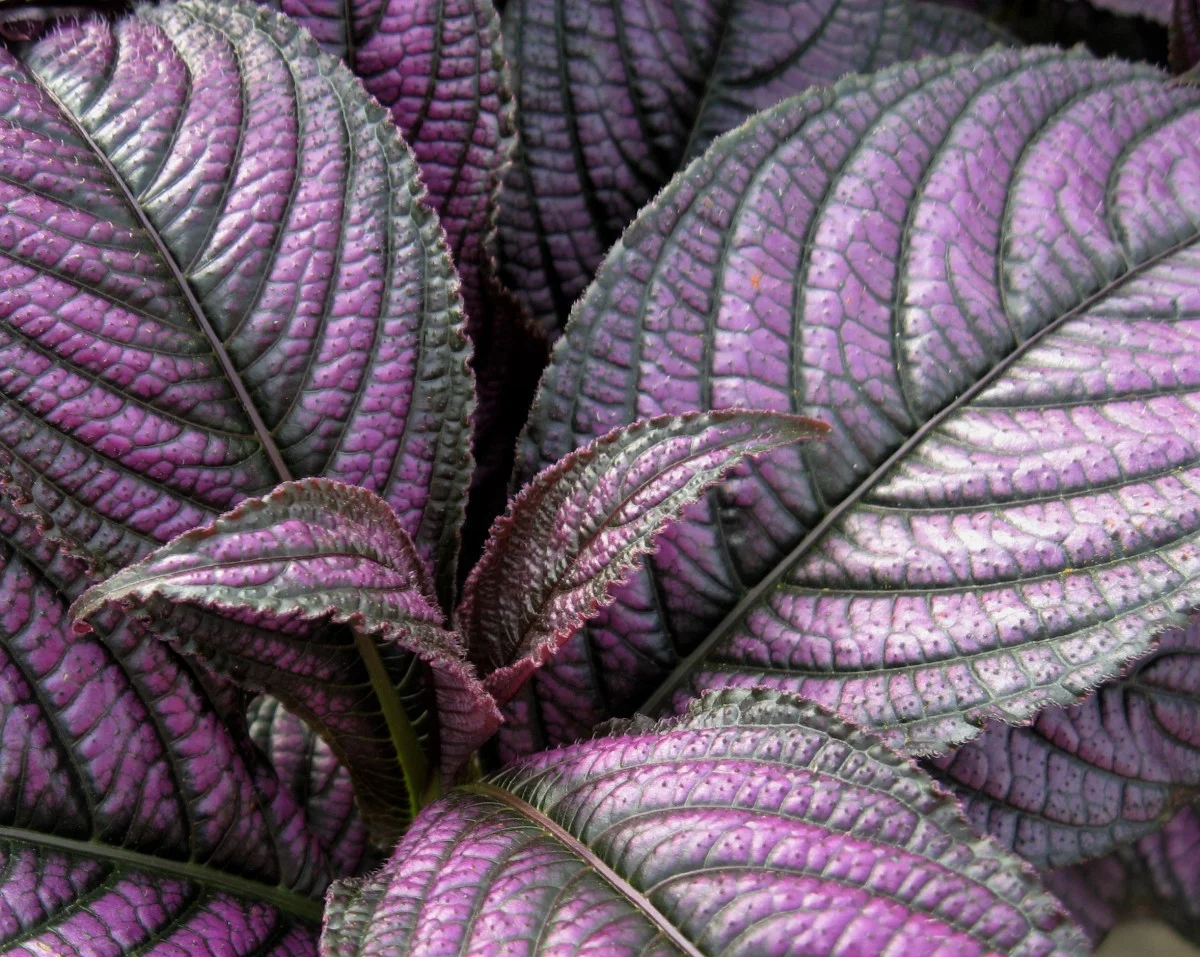
Purple leaf foliage plants are some of the most eye-catching additions to gardens, landscapes, and indoor plant collections. Their rich shades of burgundy, violet, and deep plum create bold contrast, making them stand out among green foliage. Whether used as accent plants, hedges, borders, or indoor decor, purple plants bring a unique elegance and dramatic visual appeal.
Here’s a complete guide to the most popular types, how to grow them, and the best ways to use them in your garden.
Why Purple Plants Are So Popular in Gardens
Purple foliage plants are popular because they add immediate depth and color without flowers. Their color is produced by anthocyanin pigments, which give leaves their famous purple, maroon, or nearly black appearance.
Benefits of purple foliage plants include:
-
Year-round color in many species
-
High contrast with green plants
-
Ideal for modern and traditional landscapes
-
Attractive to pollinators when flowering
-
Suitable for both indoor and outdoor use
Homeowners, landscapers, and gardeners love purple plants because they offer color even when flowers are not blooming.
Popular Outdoor Purple Leaf Plants
Many outdoor plants naturally grow with deep purple foliage. These varieties thrive in gardens and create dramatic landscape effects.
1. Purple Smoke Bush (Cotinus coggygria ‘Royal Purple’)
Large shrub with deep purple leaves that turn fiery red in fall.
2. Japanese Maple (Acer palmatum ‘Bloodgood’)
One of the most famous purple foliage trees with elegant, lacy leaves.
3. Loropetalum
A hardy evergreen shrub with purple leaves and pink, fringe-like flowers.
4. Heuchera (Coral Bells)
A perennial with gorgeous ruffled leaves in purple, silver, and black shades.
5. Purple Heart (Tradescantia pallida)
Ground-cover plant with bright purple stems and leaves.
These plants create dramatic visual layers and thrive in many climates.
Best Indoor Purple Leaf Houseplants
Indoor plants with purple leaves add exotic charm to homes and offices. They are easy to maintain and stand out among green houseplants.
Popular indoor varieties:
-
Purple Passion Plant (Gynura aurantiaca)
Velvety leaves with bright purple fuzz. -
Wandering Jew (Tradescantia zebrina)
Striped purple leaves with trailing stems—perfect for hanging baskets. -
Oxalis Triangularis (Purple Shamrock)
Triangular purple leaves that open and close with light. -
African Violet Varieties
Some cultivars have dark purple-tinged leaves along with colorful blooms.
Indoor purple plants thrive in bright, indirect light and add vivid color to living spaces.
How to Care for Purple Leaf Foliage Plants
While each species differs, most purple plants share similar care needs.
Light Requirements
-
Purple foliage develops best in bright light.
-
Too little sun can cause leaves to turn green or dull.
Watering
-
Water when the top inch of soil is dry.
-
Avoid overwatering, as purple plants can be sensitive to root rot.
Soil & Drainage
-
Use well-draining soil.
-
Amend with perlite, compost, or bark if needed.
Fertilizing
-
Feed with a balanced fertilizer during the growing season.
-
Avoid overly nitrogen-rich formulas, which reduce purple coloration.
Temperature
-
Most purple plants prefer mild, stable temperatures.
-
Avoid drafts and extreme heat or cold.
Following these guidelines helps maintain bright, healthy foliage.
Best Landscape Design Ideas Using Purple Plants
Purple leaf plants are excellent landscape design tools. Their rich tones can transform garden structure and contrast.
Creative planting ideas:
-
Purple + Green Contrast: Mix purple shrubs with bright green hostas or ferns.
-
Monochrome Garden: Combine dark purple loropetalum with burgundy maples.
-
Modern Minimalist Look: Use purple grasses or shrubs alongside black mulch.
-
Accent Areas: Place purple plants near pathways or entryways for bold impact.
-
Container Gardens: Pair purple foliage with silver or cream-colored plants for balance.
Purple foliage adds elegance and visual depth in any style of garden.
Conclusion
Purple leaf foliage plants offer a unique and dramatic beauty that makes any indoor or outdoor space visually striking. From large purple trees and shrubs to dainty houseplants, these plants bring year-round color, bold contrast, and rich texture to gardens and homes. With the right care—good light, proper watering, and well-draining soil—purple plants thrive and maintain their vivid coloration. Whether you’re designing a landscape, decorating your home, or starting a new garden, purple foliage plants are a powerful way to bring richness and elegance to your space.


News
OpenSkyNews: The Fast-Growing Entertainment and Pop Culture News Platform in the U.S. (2026 Guide)



HUAWEI gt 7: Smart Training for Every Outdoor Adventure

The Tech in Your Home is More Advanced Than You Think – Does It Truly Preserve Your Valuables?
