News
Apache Helicopter Crash Alabama

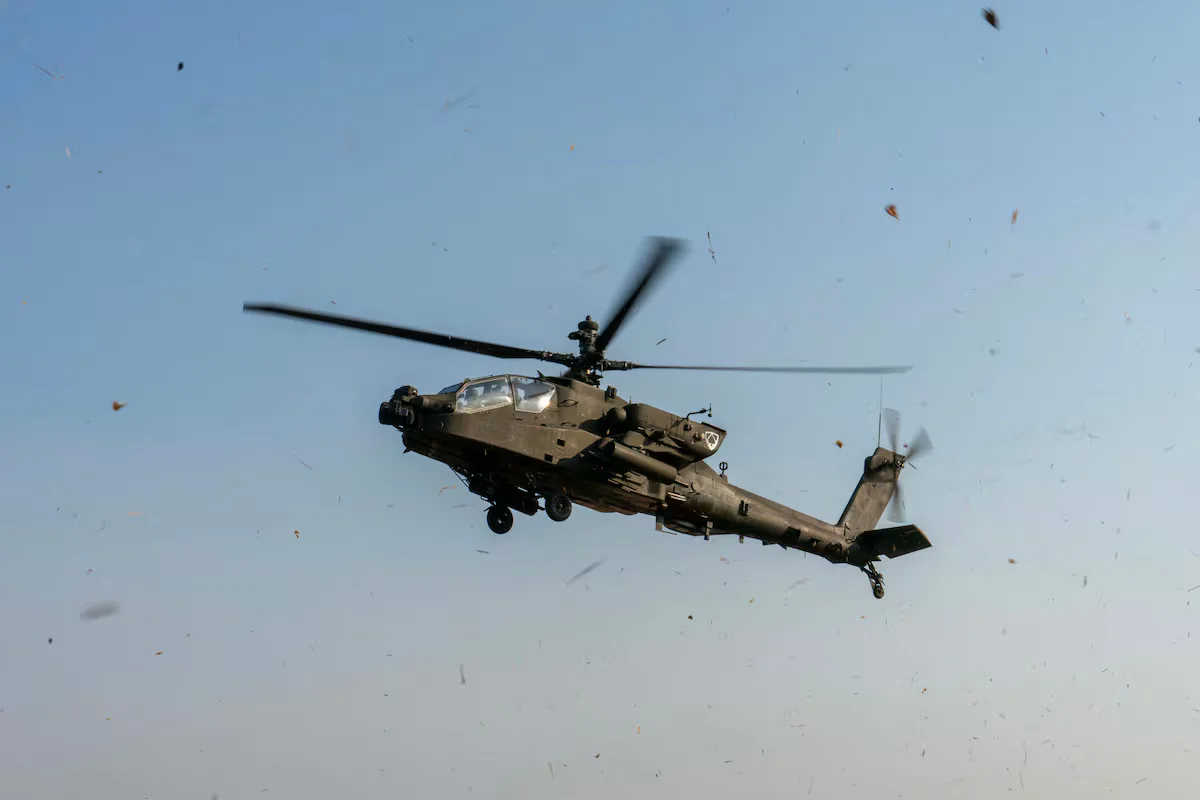
The Apache helicopter crash Alabama has drawn nationwide attention, raising serious questions about military aviation safety, training protocols, and aircraft reliability. Incidents involving advanced military helicopters like the AH-64 Apache are rare, which is why this event has become a major topic across news platforms and search engines.
This article provides a complete, informative, and SEO-optimized breakdown of the Alabama Apache helicopter crash, covering what happened, where it occurred, possible causes, military response, safety concerns, and broader implications. Important details are bolded to ensure clarity and readability, making this article suitable for readers seeking accurate, first-page–quality information.
What Happened in the Apache Helicopter Crash Alabama
The Apache helicopter crash Alabama involved a U.S. Army AH-64 Apache attack helicopter, one of the most advanced combat helicopters in the world. The incident occurred during a routine training operation, not a combat mission, according to preliminary military statements.
Initial reports indicate that the helicopter went down unexpectedly, prompting an immediate emergency response from military and local authorities. The crash site was secured quickly, and rescue operations were launched within minutes. Such rapid response highlights the high-alert protocols followed during military aviation incidents.
The U.S. Army confirmed the crash shortly after it occurred, emphasizing that an investigation was underway to determine the exact cause. Military officials typically refrain from releasing full details immediately, as crash investigations involve technical analysis, flight data review, and maintenance record examination.
Incidents like this are rare but serious because Apache helicopters are known for their advanced avionics, combat durability, and strict maintenance standards. This makes the Alabama crash especially significant and widely discussed.
Where the Alabama Apache Helicopter Crash Occurred
The crash took place in Alabama, a state known for hosting major U.S. Army aviation training facilities. Alabama plays a crucial role in military aviation, particularly due to Fort Novosel (formerly Fort Rucker), which is one of the most important helicopter training bases in the world.
Although exact coordinates are often withheld for security reasons, reports suggest the crash happened in a designated military training area, away from densely populated civilian zones. This reduced the risk to civilians and surrounding infrastructure.
Training zones are carefully selected to allow pilots to:
-
Practice low-altitude maneuvers
-
Conduct night and tactical training
-
Simulate real-world combat scenarios
The fact that the crash occurred in a controlled training environment suggests the helicopter was likely conducting standard operational exercises, not experimental or high-risk tests.
Details About the AH-64 Apache Helicopter
The AH-64 Apache is one of the most powerful and sophisticated attack helicopters ever built. It is designed for frontline combat, reconnaissance, and close air support missions.
Key Features of the Apache Helicopter
-
Twin-engine design for redundancy and safety
-
Advanced targeting and night-vision systems
-
Heavy armor and survivability features
-
Capability to operate in extreme conditions
Because of these features, Apache helicopters are considered highly reliable, making any crash a matter of serious concern. The aircraft undergoes rigorous inspections, maintenance schedules, and pilot training programs.
When an Apache helicopter crashes, investigators examine:
-
Mechanical or engine failure
-
Avionics or software issues
-
Weather conditions
-
Pilot workload or training factors
The Alabama incident has reignited discussions about the complexity of modern military aircraft and the challenges of maintaining cutting-edge technology.
Casualties, Rescue Operations, and Military Response
One of the most critical aspects of the Apache helicopter crash Alabama is the condition of the crew. Apache helicopters typically carry two highly trained Army aviators.
Following the crash:
-
Emergency rescue teams were deployed immediately
-
The area was secured to prevent secondary risks
-
Medical personnel were placed on standby
The U.S. Army confirmed that appropriate notifications were made, including informing military families and relevant authorities. In such cases, the Army prioritizes crew safety, family communication, and transparency, while balancing security considerations.
The military response also included:
-
Temporarily grounding similar aircraft, if required
-
Initiating a formal safety investigation
-
Reviewing maintenance and training records
These steps are standard procedure and demonstrate how seriously the military treats aviation safety incidents.
Possible Causes and Ongoing Investigation
At this stage, the exact cause of the Apache helicopter crash Alabama has not been officially confirmed. Military crash investigations are thorough and can take weeks or even months to complete.
Potential causes being examined include:
-
Mechanical or engine malfunction
-
Flight control or software issues
-
Environmental factors such as wind or visibility
-
Human factors, including pilot workload or situational awareness
Investigators analyze flight data recorders, wreckage patterns, and communication logs to reconstruct the final moments before the crash. Maintenance logs are also reviewed to ensure the aircraft met all safety and inspection requirements.
Importantly, investigators avoid speculation until evidence supports a conclusion. This methodical approach ensures accuracy, accountability, and future prevention.
Impact on Military Aviation Safety and Training
The Alabama Apache helicopter crash has broader implications for U.S. military aviation safety. Even isolated incidents lead to:
-
Reevaluation of training procedures
-
Updated safety protocols
-
Enhanced maintenance inspections
Military aviation operates in high-risk environments, but continuous improvement is essential to minimize accidents. Lessons learned from one crash often lead to system-wide safety enhancements, benefiting pilots and crews across the armed forces.
This incident also highlights the human element behind advanced military technology. Despite sophisticated systems, aviation remains dependent on training, judgment, and coordination.
For the public, such events serve as a reminder of the risks faced by military personnel during routine training, even outside combat zones.
Conclusion
The Apache helicopter crash Alabama is a serious military aviation incident that underscores the complexity and risks of modern defense operations. While the AH-64 Apache is among the most advanced helicopters ever built, no system is immune to failure. As investigations continue, the focus remains on understanding what went wrong, supporting affected personnel, and improving safety measures. Transparency, accountability, and learning from such incidents are essential to preventing future tragedies.
Frequently Asked Questions (FAQs)
1. What type of helicopter crashed in Alabama?
It was a U.S. Army AH-64 Apache attack helicopter.
2. Was the crash during combat or training?
The crash occurred during a routine training exercise, not a combat mission.
3. Where in Alabama did the crash happen?
It occurred in a military training area, likely near major Army aviation facilities.
4. Are Apache helicopter crashes common?
No, Apache crashes are rare, which is why each incident is investigated thoroughly.
5. Has the cause of the crash been confirmed?
As of now, the official cause has not been confirmed, and investigations are ongoing.


News
OpenSkyNews: The Fast-Growing Entertainment and Pop Culture News Platform in the U.S. (2026 Guide)



HUAWEI gt 7: Smart Training for Every Outdoor Adventure

The Tech in Your Home is More Advanced Than You Think – Does It Truly Preserve Your Valuables?