FOOD
Tabbele (Tabbouleh) – The Ultimate 2026 Guide to the Iconic Middle Eastern Salad

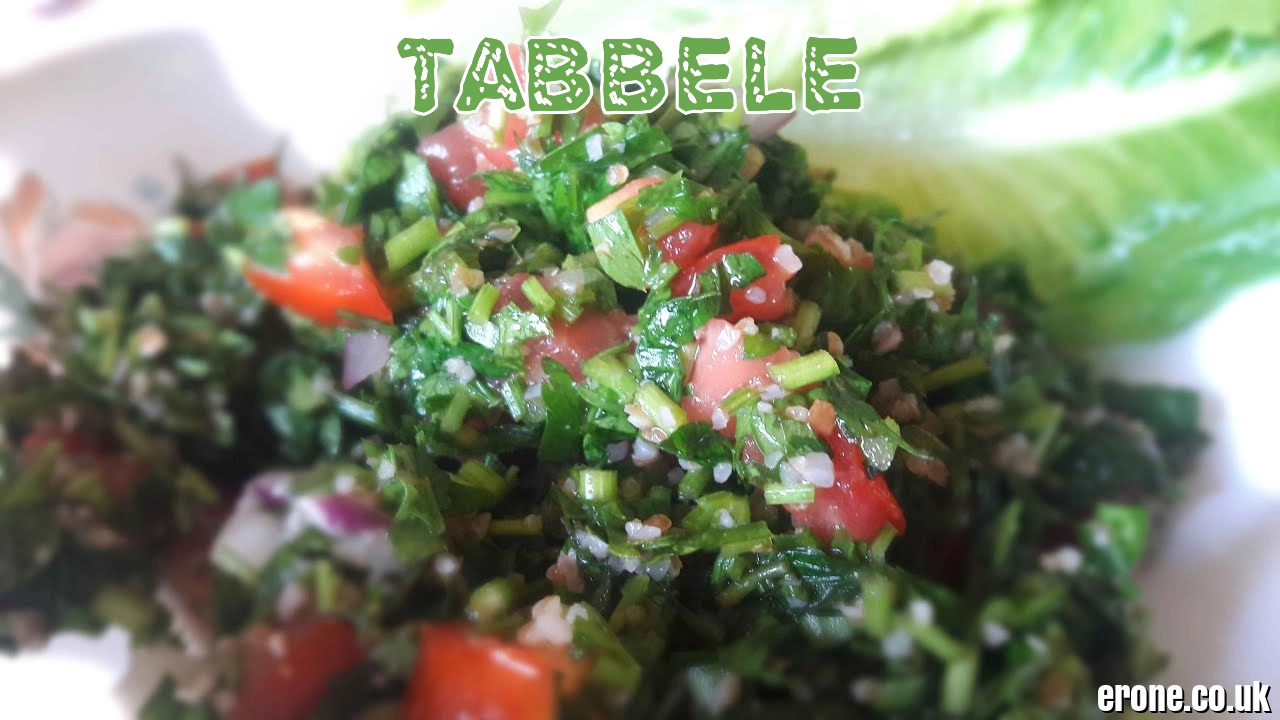
Tabbele, more accurately known as Tabbouleh (also spelled tabouli, tabouleh, or tabbouli), is one of the most celebrated dishes of Levantine cuisine, particularly in Lebanon and Syria. In 2026, tabbouleh continues to rank among the world’s most loved healthy, vegan, herb-based salads, praised for its freshness, simplicity, and nutritional power.
What Is Tabbele (Tabbouleh)?
Tabbele (Tabbouleh) is a fresh Levantine salad dominated by finely chopped parsley, lightly balanced with bulgur wheat, tomatoes, mint, onions, olive oil, and lemon juice. Unlike grain-heavy salads, parsley is the star, giving tabbouleh its bright green colour and refreshing bite.
Key Characteristics of Tabbouleh
-
Parsley-forward, not bulgur-forward
-
Vegan and naturally dairy-free
-
Served cold or at room temperature
-
Commonly part of a mezze platter
The name comes from the Arabic word “tabbūla”, meaning “seasoned” or “spiced”, reflecting its lively citrusy flavour rather than heat.
In Middle Eastern homes, tabbouleh is not just food—it is tradition, identity, and hospitality on a plate.
History and Cultural Importance of Tabbouleh
Ancient Origins
Tabbouleh is believed to have originated in the mountain regions of Lebanon and Syria, with roots tracing back hundreds—possibly thousands—of years. Early versions likely combined wild herbs and grains, long before modern recipes were standardised.
A Symbol of Lebanese Identity
In Lebanon, tabbouleh is more than a salad:
-
It symbolises vitality and freshness
-
It is served at family gatherings, Eid celebrations, weddings, and daily meals
-
Often eaten communally, reinforcing togetherness
In 2019, UNESCO recognised Lebanese cuisine, including tabbouleh, as part of the Intangible Cultural Heritage of Humanity, highlighting its role in social and cultural life.
Global Spread
Tabbouleh gained international popularity in the 20th century, driven by:
-
Middle Eastern diaspora communities
-
Growth of Mediterranean and vegan cuisine
-
Rising interest in healthy, plant-based diets
Traditional Ingredients of Tabbele
Freshness is non-negotiable when it comes to authentic tabbouleh. Each ingredient plays a precise role in flavour and texture.
Core Ingredients
-
Flat-leaf parsley: 2–3 large bunches, very finely chopped
-
Fine bulgur wheat: ¼–½ cup, soaked (not cooked)
-
Tomatoes: 2–3 ripe, diced
-
Scallions or onion: 4–5 scallions or 1 small onion, minced
-
Fresh mint: 1–2 sprigs, finely chopped
Classic Dressing
-
Extra virgin olive oil
-
Fresh lemon juice
-
Salt
-
Optional: black pepper or allspice
Modern Additions (Optional)
-
Cucumber for crunch
-
Chickpeas for protein
-
Quinoa for a gluten-free version
👉 True Lebanese tabbouleh is often described as “a parsley salad with bulgur,” not the other way around.
How to Prepare Authentic Tabbele (Step-by-Step)
While tabbouleh is simple, it demands precision and patience, especially in chopping.
Preparation Time
-
Serves: 4–6 people
Step-by-Step Method
Soak the Bulgur
-
Add fine bulgur to a bowl
-
Cover with boiling water or lemon juice
-
Let rest 10–20 minutes until tender
Chop the Herbs and Vegetables
-
Finely hand-chop parsley and mint
-
Dice tomatoes and mince onions
-
Avoid food processors—they bruise herbs
Combine and Dress
-
Mix bulgur with vegetables
-
Add olive oil, lemon juice, salt, and spices
-
Toss gently to preserve texture
Rest and Serve
-
Chill briefly or rest at room temperature
-
Serve with romaine lettuce leaves or pita bread
The result should be light, zesty, and vibrant—not soggy or heavy.
Health Benefits and Nutritional Value
Tabbouleh is a cornerstone of the Mediterranean diet, often recommended by nutritionists.
Nutritional Highlights (Per Cup Approx.)
-
150–200 calories
-
High in dietary fibre
-
Rich in vitamins A, C, and K
-
Packed with antioxidants
Key Health Benefits
-
Supports digestive health
-
Boosts immune function
-
Promotes heart health
-
Naturally low in fat and cholesterol
-
Suitable for vegan and plant-based diets
With quinoa or gluten-free bulgur, tabbouleh becomes 100% gluten-free, making it accessible to more people in 2026’s health-conscious food culture.
Variations and Global Influence
As tabbouleh spread worldwide, creative adaptations emerged while still respecting its roots.
Regional Variations
-
Turkey (Kısır): More bulgur, tomato paste, pomegranate molasses
-
Palestinian versions: Spicier, with chilli
-
Syrian styles: Slightly heavier on lemon
Modern Global Twists
-
Kale or rocket replacing parsley
-
Quinoa-based tabbouleh
-
Stuffed into peppers or wraps
-
Served alongside grilled fish or falafel
Celebrity chefs and food platforms have helped popularise tabbouleh as a superfood salad, ideal for modern lifestyles.
Conclusion
Tabbele (Tabbouleh) is far more than a salad—it is a celebration of freshness, culture, and balance. Rooted in Levantine history and embraced globally, it remains one of the most nutritious, adaptable, and beloved dishes in the world. In 2026, tabbouleh continues to thrive as a symbol of healthy eating, communal dining, and timeless flavour.
Whether enjoyed traditionally or with a modern twist, tabbouleh proves that simple ingredients, treated with care, can create something extraordinary.
Frequently Asked Questions (FAQs)
1. Is tabbele the same as tabbouleh?
Yes, tabbele is a common alternative spelling of tabbouleh.
2. Is tabbouleh gluten-free?
Traditional tabbouleh contains bulgur, but quinoa versions are gluten-free.
3. Which country does tabbouleh come from?
It originates from Lebanon and Syria.
4. Is tabbouleh healthy?
Yes, it is low-calorie, nutrient-rich, and heart-healthy.
5. Can tabbouleh be made ahead of time?
Yes, but it’s best eaten fresh within 24 hours for optimal flavour.
FOOD
King Cheesecake Recall: FDA Class I Warning, Affected Products, and What U.S. Consumers Should Know
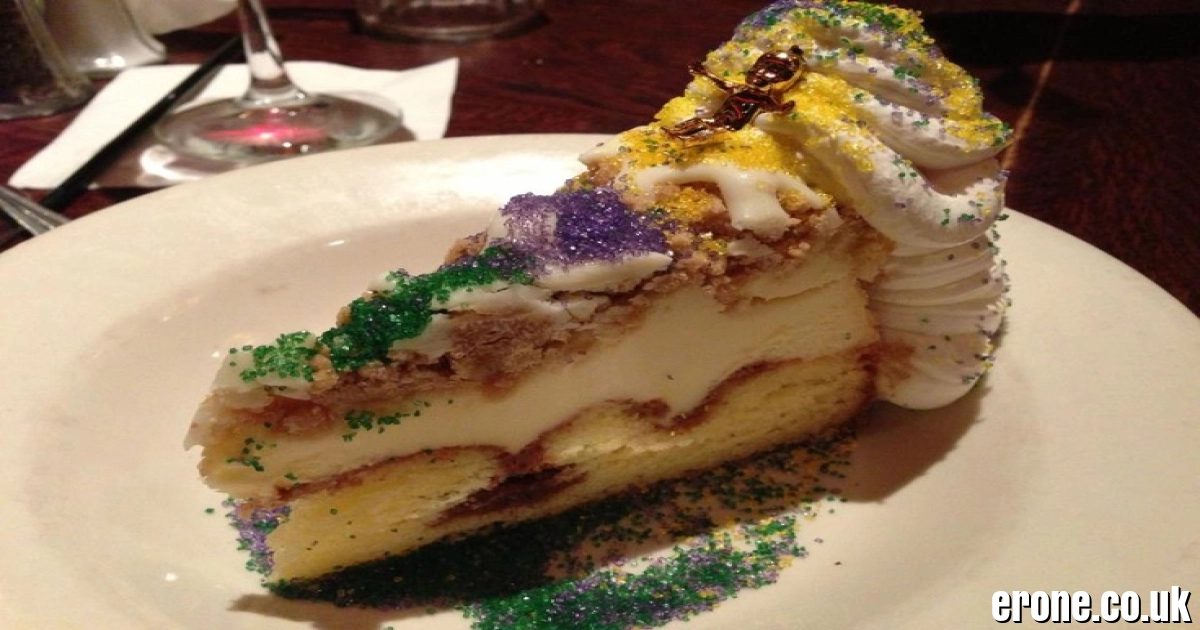
Food recalls in the United States are taken very seriously, especially when they involve potential bacterial contamination that could pose a serious health risk. One such case occurred in July 2025, when King Cheesecake Company, Inc., a Houston-based bakery manufacturer, announced a voluntary recall of several cake products. The recall was later classified by the U.S. Food and Drug Administration (FDA) as a Class I recall, which represents the highest risk level.
The recall was linked to possible Salmonella contamination in pecans used as ingredients in certain cakes. Because Salmonella can cause severe foodborne illness, especially in vulnerable populations, the company and regulators acted quickly to remove the affected products from circulation.
This comprehensive 2026 guide explains why the King Cheesecake recall happened, which products were affected, where they were distributed, the health risks involved, and what consumers in the United States should do if they purchased these items.
Overview of the King Cheesecake Recall
The King Cheesecake Company, Inc. recall was officially announced on July 18, 2025. The company voluntarily recalled several baked products after discovering that pecans used in the cakes could potentially contain Salmonella bacteria.
FDA Classification
On August 7, 2025, the U.S. Food and Drug Administration (FDA) classified the recall as a Class I recall, which is the most serious category.
A Class I recall means:
-
There is a reasonable probability that exposure to the product could cause serious health consequences or death.
-
The product must be immediately removed from distribution.
-
Consumers are strongly advised not to consume the product.
Manufacturing Timeline
The affected products were manufactured between:
-
June 20, 2025
-
July 14, 2025
Any cakes produced within this time frame were considered part of the recall if they matched the affected product list.
Company Background
King Cheesecake Company, Inc. is a bakery manufacturer based in Houston, Texas. The company produces a variety of cakes and desserts that are distributed across several states in the southern United States.
While the company has served regional markets for years, the 2025 recall brought national attention to the importance of strict ingredient safety monitoring.
List of Recalled King Cheesecake Products
The recall covered six specific cake products produced by King Cheesecake Company.
These items included both traditional layer cakes and cheesecake-based desserts.
Full List of Affected Products
| Product Name | Product Code |
|---|---|
| Italian Layer Cake | #1071 |
| Carrot Layer Cake | #1312 |
| Tres Leches Cheesecake | #99272 |
| Hummingbird Layer Cake | #3145 |
| Chocolate Tres Leches Cheesecake | #99273 |
| Assorted Layer Cake | #2485 |
These cakes were distributed through regional grocery stores, bakeries, and food suppliers in several U.S. states.
Why Pecans Were the Source of Concern
The contamination risk came from pecans used as ingredients, particularly in cakes like:
-
Hummingbird cake
-
Carrot cake
-
Italian layer cake
Pecans are a common ingredient in Southern-style desserts. If the nuts become contaminated during processing, storage, or transport, they can introduce harmful bacteria into finished products.
States Where the Recalled Cakes Were Distributed
The affected King Cheesecake products were not distributed nationwide.
Instead, they were shipped to a limited group of states in the southern and midwestern United States.
Distribution States
The recalled cakes were distributed in:
-
Texas
-
Alabama
-
Florida
-
Louisiana
-
Oklahoma
-
Illinois
Consumers who purchased cakes in these states during late June to mid-July 2025 were most likely to encounter affected products.
Retail and Wholesale Channels
The products may have been sold through:
-
Local grocery stores
-
Independent bakeries
-
Food service suppliers
-
Catering providers
Because cakes can sometimes be resold or used in restaurants, tracing affected batches can be difficult, which is why recalls are announced publicly.
Health Risks: Understanding Salmonella Contamination
The primary concern behind the recall was Salmonella, one of the most common causes of foodborne illness in the United States.
What Is Salmonella?
Salmonella is a group of bacteria that can cause salmonellosis, a gastrointestinal infection.
According to the Centers for Disease Control and Prevention (CDC):
-
Salmonella causes about 1.35 million infections annually in the U.S.
-
Around 26,500 hospitalizations occur each year.
-
Approximately 420 deaths are attributed to the infection.
Common Symptoms
Symptoms usually appear 6 to 48 hours after exposure and may include:
-
Fever
-
Diarrhea
-
Abdominal cramps
-
Nausea
-
Vomiting
Most healthy adults recover within 4–7 days, but severe cases may require medical treatment.
High-Risk Groups
Certain groups face higher risks from Salmonella infection:
-
Young children
-
Older adults
-
Pregnant women
-
People with weakened immune systems
For these individuals, the infection can lead to serious complications or hospitalization.
What Consumers Should Do If They Bought the Recalled Cakes
Consumers who purchased any of the affected King Cheesecake products should not consume them.
Recommended Actions
The FDA and the company advised the following steps:
-
Do not eat the product.
-
Return the cake to the place of purchase for a refund if possible.
-
If returning is not possible, dispose of the product safely.
Handling Contaminated Food Safely
If the cake has already been opened, consumers should:
-
Wash hands thoroughly after handling
-
Clean surfaces that may have touched the product
-
Sanitize utensils or containers used with the cake
These steps help prevent cross-contamination in the kitchen.
Reporting Illness
Anyone who suspects they became ill after consuming the product should:
Food safety monitoring platforms such as iwaspoisoned.com also collect consumer reports to help track outbreaks.
Global Context: No Recall Alerts Outside the United States
While the recall received international attention online, the affected products were distributed only within certain U.S. states.
No Alerts in India
Authorities in India, including the Food Safety and Standards Authority of India (FSSAI), have confirmed that:
-
No products named “King Cheesecake” have been recalled in India.
-
No official FSSAI alerts or notices mention the brand.
The recalled cakes were not sold internationally.
How Consumers Can Check Food Recalls
Consumers anywhere in the world can verify recalls through official channels such as:
-
FDA recall database (U.S.)
-
FSSAI recall portal (India)
-
National food safety authorities
These official databases help prevent misinformation about food safety issues.
Conclusion
The King Cheesecake recall of 2025 highlights the importance of strict food safety standards in the baking and food production industries. Triggered by potential Salmonella contamination in pecans, the recall affected six cake products distributed across several U.S. states.
Because the FDA classified the event as a Class I recall, consumers were strongly advised not to consume the affected cakes and to return or dispose of them safely. Although the recall was serious, it remained limited to certain regions in the United States and did not affect international markets.
Food recalls like this demonstrate how regulatory agencies and manufacturers work together to protect public health and quickly remove potentially dangerous products from the market.
Frequently Asked Questions
What caused the King Cheesecake recall?
King Cheesecake Recall: The recall was caused by potential Salmonella contamination in pecans used as ingredients in several cake products.
How serious was the recall?
The FDA classified it as a Class I recall, the highest risk category.
Which states were affected?
The cakes were distributed in Texas, Alabama, Florida, Louisiana, Oklahoma, and Illinois.
What should consumers do if they purchased the cakes?
Consumers should not eat them and should return the product to the store or safely dispose of it.
Was the recalled product sold internationally?
No. The affected products were distributed only within specific states in the United States.
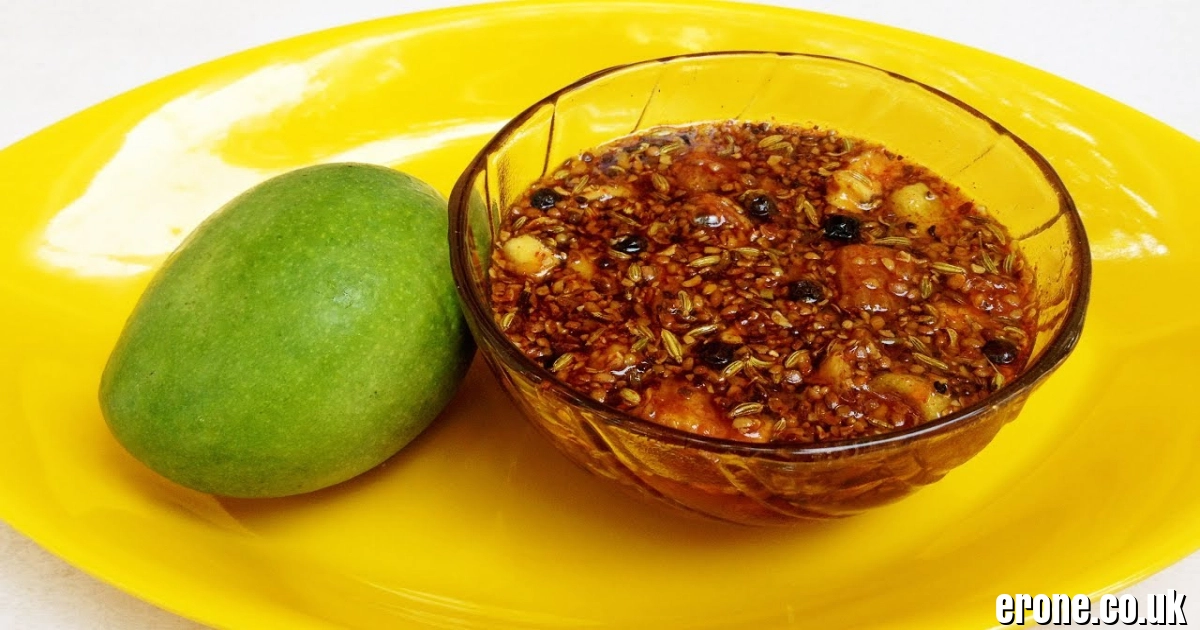
India is famous for its diverse pickles and traditional condiments, and among them, Gorkeri holds a special place in Gujarati cuisine. If you have ever explored a traditional Gujarati thali, chances are you might have tasted this sweet, spicy, and tangy mango pickle that instantly enhances the flavor of any meal.
Gorkeri (ગોરકેરી) is a classic pickle made from raw mangoes and jaggery, blended with aromatic Indian spices and mustard oil. The word itself reflects its ingredients: “Gor” means jaggery and “Keri” means raw mango in Gujarati. Together, they create a unique flavor combination that balances sweetness, spiciness, and mild tanginess.
This pickle is especially popular in the state of Gujarat in India, particularly in the Saurashtra and Kathiawar regions. Families traditionally prepare Gorkeri during the summer season, when fresh raw mangoes are widely available in markets. Once prepared and sun-dried properly, the pickle can last more than a year without refrigeration, making it a staple in many Gujarati households.
Unlike many other Indian pickles that are extremely spicy or sour, Gorkeri is known for its balanced taste. The sweetness of jaggery blends perfectly with spices like fenugreek, mustard seeds, red chili powder, fennel seeds, and turmeric, creating a rich and flavorful condiment.
Today, Gorkeri is not only made at home but also available from popular Indian brands such as Nirav, Deep, and other Gujarati food companies. However, most food lovers still believe that homemade Gorkeri offers the most authentic taste.
In this complete guide, you will learn everything about Gorkeri, including its history, ingredients, step-by-step recipe, health benefits, variations, and serving suggestions.
What is Gorkeri? Meaning, Origin, and Cultural Importance in India
Gorkeri is a traditional Gujarati mango pickle made from raw mango pieces preserved with jaggery, spices, and oil. It is a unique type of pickle because it combines sweetness and spice, which is a characteristic flavor style in Gujarati cuisine.
Pickles have always played an important role in Indian meals. They add flavor, aroma, and variety to everyday dishes such as roti, paratha, dal-rice, and khichdi. In Gujarat, Gorkeri is considered one of the most beloved seasonal pickles.
During summer, families often buy large quantities of raw mangoes, especially the Rajapuri mango variety, which is ideal for making pickles because of its firm texture and low fiber content.
The preparation of Gorkeri is also a traditional family activity. In many households, multiple generations participate in cutting mangoes, mixing spices, and placing jars under the sun. This process not only preserves food but also preserves cultural heritage and culinary traditions.
Meaning of the Word “Gor” and “Keri”
The name Gorkeri comes from two Gujarati words:
- Gor (ગોર) – means jaggery
- Keri (કેરી) – means raw mango
Therefore, Gorkeri literally translates to “jaggery mango pickle.”
The use of jaggery instead of refined sugar gives the pickle a deep caramel sweetness and rich flavor. Jaggery also adds minerals like iron, potassium, and magnesium, making the pickle slightly more nutritious.
History of Gorkeri in Gujarati Cuisine
The origins of Gorkeri can be traced back to traditional Gujarati households several centuries ago. In earlier times, preserving seasonal produce was essential because refrigeration did not exist.
People developed methods like sun drying, oil preservation, and natural fermentation to extend the shelf life of food.
Gorkeri became popular because it could be stored for over 12 months and used throughout the year. The pickle also complemented the slightly sweet flavor profile of Gujarati meals.
Over time, the recipe spread beyond Gujarat, and today it is enjoyed across India and even internationally among Gujarati diaspora communities.
Key Features and Nutritional Value of Gorkeri
One of the reasons for Gorkeri’s popularity is its distinctive taste and long shelf life. The combination of raw mango, jaggery, spices, and oil creates a pickle that is both flavorful and durable.
Key Features
- Taste: Sweet, spicy, tangy, and aromatic
- Cuisine: Gujarati
- Type: Vegetarian
- Preparation Time: 5–7 days (including sun drying)
- Shelf Life: More than 1 year without refrigeration
- Best Season to Prepare: Summer
Gorkeri is often served in small portions, but even a small spoonful can dramatically enhance the taste of a meal.
Taste Profile and Shelf Life
The taste of Gorkeri is unique because it offers multiple flavors at once.
- The raw mango provides tanginess.
- Jaggery adds sweetness.
- Red chili powder and spices add heat and aroma.
- Mustard oil acts as a preservative and flavor enhancer.
The pickle’s long shelf life comes from the natural preservation properties of salt, oil, and sun drying. When stored properly in a sterilized glass jar, it can remain fresh for more than a year.
Nutritional Information and Calories
Although Gorkeri is mainly consumed as a condiment, it still contains several nutrients.
| Nutrient | Approximate Value (per 100g) |
|---|---|
| Calories | 150–200 kcal |
| Carbohydrates | High (from jaggery) |
| Vitamin C | High (from raw mango) |
| Healthy fats | Moderate (from oil) |
| Antioxidants | Present from spices |
Because of the jaggery content, people with diabetes should consume it in moderation.
Ingredients Required to Make Traditional Gorkeri
Making authentic Gorkeri requires a combination of fresh raw mangoes, jaggery, and traditional Indian spices.
Main Ingredients
| Ingredient | Quantity |
|---|---|
| Raw Rajapuri mangoes (peeled & chopped) | 1 kg |
| Jaggery (grated) | 650–1000 g |
| Salt | 6 teaspoons |
| Turmeric powder | 1–2 teaspoons |
Rajapuri mangoes are preferred because they are large, juicy, and less fibrous, making them perfect for pickling.
Spices and Oil Used in Authentic Gujarati Recipe
| Spice | Quantity |
|---|---|
| Red chili powder | 2–3 teaspoons |
| Split coriander seeds | 4 teaspoons |
| Fenugreek seeds | 1–2 teaspoons |
| Mustard seeds | 2 teaspoons |
| Fennel seeds | 1 teaspoon |
| Asafoetida (hing) | 1 teaspoon |
| Black pepper (optional) | 1 teaspoon |
| Cloves (optional) | 1 teaspoon |
| Mustard oil (smoked) | 60–80 ml |
These spices give Gorkeri its signature aroma and flavor complexity.
Step-by-Step Traditional Gorkeri Recipe
Preparing Gorkeri takes several days because it involves natural sun drying and fermentation.
Preparing Raw Mangoes
- Wash the raw mangoes thoroughly and dry them completely.
- Peel the mangoes and cut them into ½-inch cubes.
- Mix them with salt and turmeric powder.
- Cover and keep them aside for 10–15 hours.
- Drain the released water and spread the mango pieces on a cloth.
- Sun dry the mangoes for 6–8 hours.
This step helps remove excess moisture and improves the pickle’s shelf life.
Preparing the Spice Mixture and Sun Drying
- In a large bowl, mix fenugreek, coriander seeds, mustard seeds, fennel seeds, chili powder, turmeric, and hing.
- Heat mustard oil until it releases smoke, then cool it slightly.
- Add the oil to the spice mixture.
- Combine sun-dried mango pieces, grated jaggery, and spices.
- Cover with a muslin cloth and keep the mixture in sunlight for 5–8 days.
- Stir the mixture twice daily so that the jaggery melts evenly.
Once the jaggery forms a thick syrupy coating, the pickle is ready to store.
Variations, Storage Tips, and Serving Suggestions
Different regions of Gujarat prepare Gorkeri in slightly different ways.
Popular Variations of Gorkeri in Gujarat
Some common variations include:
- Extra spicy version with more chili powder
- Mixed sweet version with both jaggery and sugar
- Saurashtra style Gorkeri, made entirely with natural ingredients
Each variation maintains the same core ingredients but slightly adjusts sweetness and spice levels.
Best Ways to Serve Gorkeri
Gorkeri is usually served in small portions alongside traditional meals.
Popular serving combinations include:
- Gujarati thali
- Roti or paratha
- Dal-rice
- Khichdi
- Puran poli
It also works well as a travel food condiment, because it remains fresh for a long time without refrigeration.
Health Benefits and Ayurvedic Value of Gorkeri
Despite being a pickle, Gorkeri offers several health benefits when consumed in moderation.
Raw mangoes are rich in Vitamin C, which supports immunity and skin health. Jaggery provides minerals like iron and helps improve digestion according to Ayurvedic principles.
Spices used in the pickle also offer health benefits:
- Fenugreek seeds improve digestion.
- Fennel seeds reduce bloating.
- Mustard seeds stimulate metabolism.
- Turmeric has anti-inflammatory properties.
In Ayurveda, small amounts of pickles like Gorkeri are believed to stimulate appetite and aid digestion.
However, due to its sugar content, people with diabetes or strict dietary restrictions should consume it in limited quantities.
Conclusion
Gorkeri is more than just a pickle—it is a traditional culinary treasure from Gujarat that represents the region’s love for balanced flavors. With its combination of sweet jaggery, tangy mangoes, and aromatic spices, it delivers a unique taste experience that enhances everyday meals.
From its centuries-old preparation methods to its role in Gujarati family traditions, Gorkeri continues to remain a beloved condiment across India and among Gujarati communities worldwide.
Whether you prepare it at home using fresh summer mangoes or buy it from a trusted brand, this sweet and spicy pickle is a perfect example of India’s rich and diverse food culture.
Frequently Asked Questions (FAQs)
1. What is Gorkeri?
Gorkeri is a traditional Gujarati pickle made from raw mangoes, jaggery, spices, and mustard oil.
2. Why is Gorkeri sweet and spicy?
It contains jaggery for sweetness and chili powder with spices for heat, creating a balanced flavor.
3. How long does Gorkeri last?
When stored properly in a sterilized glass jar, Gorkeri can last more than one year without refrigeration.
4. Which mango variety is best for Gorkeri?
The Rajapuri raw mango is commonly used because of its firm texture and low fiber.
5. Is Gorkeri healthy?
In moderate amounts, it can support digestion and provide Vitamin C, but it should be eaten carefully by people with diabetes due to its jaggery content.


Exploring Sustainable Packaging Solutions with PVC-Free Closures

HUAWEI gt 7: Smart Training for Every Outdoor Adventure