Law
Do You Need a Lawyer After a Bike Collision?

Bicycle accidents can cause serious injuries, emotional trauma, and costly medical bills. Unlike cars or trucks, bikes offer little protection in collisions, leaving cyclists vulnerable physically, legally, and financially. If you’ve been in a bike accident, you might wonder if hiring a lawyer is necessary. This often depends on the crash, your injuries, and how the insurance company handles your claim. In many cases, consulting a bicycle accident attorney can greatly improve your case. Knowing the benefits of legal help and when to seek it can protect your rights and make recovery smoother.
When Is Legal Help Necessary?
Some minor bike accidents can be resolved without a lawyer, but many require professional help. Here are signs you might need legal support:
- You suffered serious or long-term injuries
- The driver involved fled the scene or was uninsured
- The insurance company is denying your claim or offering a low settlement
- There is disagreement over who was at fault
- Multiple parties were involved in the accident
A bicycle crash attorney can help you navigate the legal system, handle insurance companies, and fight for the compensation you deserve.
The Role of a Bicycle Crash Attorney
Bicycle accident claims can be tricky. Insurance adjusters focus on protecting their company, not you. A lawyer advocates for you, handles paperwork, collects evidence, and negotiates fair compensation.
Here are some specific things an attorney will do:
- Investigate the accident to determine fault
- Collect medical records, witness statements, and other critical evidence
- Handle all communication with insurance providers
- File legal paperwork and meet deadlines
- Represent you in court if the case goes to trial
Hiring a local bicycle crash attorney means your case is handled by someone who knows the area’s laws, roads, and court procedures.
Proving Fault and Liability
Determining fault is often a challenge in bicycle accident cases. Utah follows a “modified comparative negligence” system, meaning your compensation may be reduced if you’re partially at fault. If you’re found more than 50% responsible, you lose the right to any compensation.
To avoid unfair blame, you need solid evidence such as:
- Photos and videos from the crash scene
- Police reports
- Medical records
- Eyewitness testimonies
- Expert opinions (if needed)
An experienced attorney knows how to build a strong case and make sure your side of the story is fully represented.
What You Can Be Compensated For
After a bike crash, the damage goes beyond physical injuries. A fair settlement should cover both the short- and long-term effects. A skilled bicycle crash attorney can help recover compensation for:
- Medical expenses (emergency care, surgery, therapy)
- Lost wages due to missed work
- Pain and suffering
- Emotional distress
- Bicycle repair or replacement costs
- Reduced earning capacity if injuries are long-term
Without legal support, you might undervalue your claim or feel pressured to accept a lower offer from insurers.
Dealing With Insurance Companies
Many people try to handle insurance claims alone, only to realize that adjusters don’t always have their best interests in mind. They may shift blame, downplay injuries, or push for a quick settlement that doesn’t cover your expenses. A bicycle crash attorney can manage all communication with insurers, protect your rights, and ensure no detail is missed.
Why Local Representation Matters
Partnering with a local attorney familiar with roads, traffic, and the legal system can give you an edge. They know accident-prone areas and understand local courts, helping them build a stronger case. This expertise is invaluable, whether dealing with insurance adjusters or representing you in court.
Conclusion
Not every bike accident needs legal help, but serious injuries, complex cases, or uncooperative insurance companies call for an attorney. An experienced bicycle crash attorney in Taylorsville can prove fault, negotiate fair compensation, and handle the details so you can focus on recovery. If you’ve been in a bike crash, don’t wait to explore your options. Protect your rights with the right support.

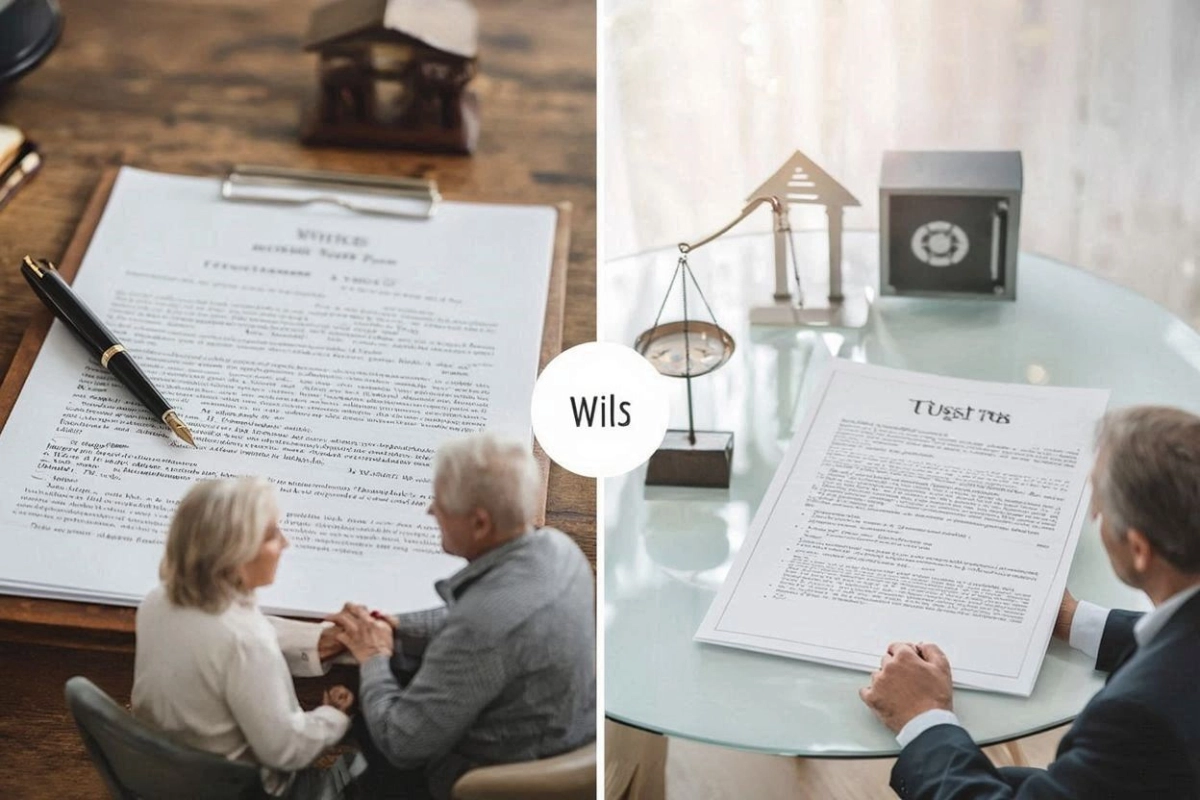
Estate planning is essential for protecting your assets and loved ones, no matter your age. Wills and trusts are key tools that serve different purposes in distributing assets after death. Understanding their differences can save time, money, and stress for your family. This guide helps you decide which option—or combination—is right for your situation.
What is a Will?
A will is a legal document that outlines how you want your assets distributed after your death. Think of it as your final instructions to the world, specifying who gets what from your estate.
Key Components of a Will
Asset Distribution: Your will names specific beneficiaries for your property, bank accounts, investments, and personal belongings. Without clear instructions, state laws determine how your assets are divided.
Guardian Designation: If you have minor children, your will allows you to name their guardian. This prevents the court from making this critical decision without your input.
Executor Appointment: You’ll designate an executor—the person responsible for carrying out your wishes. This individual handles everything from paying debts to distributing assets according to your instructions.
Debt and Tax Instructions: Your will can specify how outstanding debts and taxes should be paid, preventing confusion among your beneficiaries.
Advantages of Wills
Wills offer several compelling benefits. They’re relatively inexpensive to create, typically costing between $100 to $1,000 depending on complexity. You can easily update them as your circumstances change, and they’re straightforward documents that most people can understand without extensive legal knowledge.
Disadvantages of Wills
The primary drawback is probate—the court-supervised process of validating your will and distributing assets. Probate can take months or even years, during which your assets remain frozen. The process is also public record, meaning anyone can access information about your estate. Additionally, probate costs can eat into your estate’s value through court fees and legal expenses.
What is a Trust?
A trust is a legal arrangement where you transfer ownership of your assets to a separate entity managed by a trustee for the benefit of your chosen beneficiaries. Unlike wills, trusts can take effect while you’re still alive and continue operating after your death.
Types of Trusts
Revocable Trusts: Also called living trusts, these allow you to maintain control over your assets during your lifetime. You can modify or dissolve the trust anytime, making them flexible estate planning tools.
Irrevocable Trusts: Once established, these trusts cannot be changed without beneficiary consent. While less flexible, they offer significant tax advantages and asset protection benefits.
Specialized Trusts: Various trust types serve specific purposes, such as charitable trusts for philanthropic goals or special needs trusts for disabled beneficiaries.
How Trusts Work
When you create a trust, you transfer asset ownership from yourself to the trust entity. As the trustee (in revocable trusts), you continue managing these assets normally. Upon your death, a successor trustee takes over, distributing assets according to your predetermined instructions without court involvement.
Advantages of Trusts
Trusts bypass probate entirely, allowing for immediate asset distribution. They remain private, protecting your family’s financial information from public scrutiny. Trusts also provide greater control over distribution timing—you might specify that beneficiaries receive funds at certain ages or milestones. For high-net-worth individuals, trusts can offer substantial tax benefits and protect assets from creditors.
Disadvantages of Trusts
The primary drawbacks are cost and complexity. Creating a trust typically costs $1,500 to $3,000 or more, depending on your assets and goals. Trusts require ongoing management and maintenance, including regular updates as your circumstances change. The legal language can be complex, making them harder to understand than simple wills.
Wills vs. Trusts: Key Differences
Understanding the fundamental differences between these estate planning tools helps clarify which option suits your needs.
Timing: Wills only take effect after death, while trusts can operate during your lifetime. This makes trusts valuable for incapacity planning—if you become unable to manage your affairs, your successor trustee steps in immediately.
Probate: Wills must go through probate court, while trust assets bypass this process entirely. Probate can cost 3-7% of your estate’s value and take 6-24 months to complete.
Privacy: Probate proceedings are public record, making your will’s contents accessible to anyone. Trust documents remain private, protecting your family’s financial information.
Cost: Wills are significantly cheaper to create but may result in higher long-term costs through probate. Trusts have higher upfront costs but can save money by avoiding probate entirely.
Flexibility: You can easily modify wills through codicils or complete rewrites. Revocable trusts offer similar flexibility, while irrevocable trusts provide limited modification options.
Asset Protection: Wills offer no asset protection during probate, leaving your estate vulnerable to creditor claims. Certain trusts provide strong asset protection benefits, shielding wealth from potential creditors.
Factors to Consider When Choosing
Several key factors influence whether a will, trust, or combination approach works best for your situation.
Asset Complexity and Value
If you own substantial assets—typically $100,000 or more—a trust might justify its higher upfront costs through probate avoidance. Complex asset structures, such as business ownership, investment portfolios, or multiple real estate properties, often benefit from trust management.
Family Dynamics
Blended families, minor children, or beneficiaries with special needs often require the detailed control that trusts provide. If you want to stagger distributions over time or include specific conditions, trusts offer superior flexibility.
Privacy Concerns
Public figures, business owners, or anyone preferring financial privacy should strongly consider trusts. Probate proceedings become public record, potentially exposing sensitive family and financial information.
State Laws
Probate costs and timelines vary significantly by state. Some states have streamlined probate processes that make wills more attractive, while others have expensive, time-consuming procedures that favor trust planning.
Age and Health
Younger individuals with simple asset structures might start with basic wills and upgrade to trusts as their wealth grows. Older individuals or those with health concerns should consider trusts for incapacity planning benefits.
Professional Guidance
Both wills and trusts involve complex legal considerations that benefit from professional guidance. An estate planning attorney can evaluate your specific situation and recommend the most appropriate strategy.
Many people discover that combining both tools creates the most effective estate plan. You might use a trust for major assets while maintaining a “pour-over” will to handle any assets not transferred to the trust before death. This comprehensive approach, sometimes called an end-of-life planner, ensures nothing falls through the cracks.
Conclusion
Estate planning should align with your unique needs, like assets, family dynamics, and privacy. Begin with a will or trust and update as needed. Any plan is better than none—work with an attorney to protect your loved ones and secure your legacy.


HUAWEI gt 7: Smart Training for Every Outdoor Adventure

The Tech in Your Home is More Advanced Than You Think – Does It Truly Preserve Your Valuables?