Your vehicle’s automatic gearbox is one of the most complex and essential components under the hood. It works silently in the background, smoothly shifting gears without you ever touching a clutch pedal. But when it starts failing? You’ll feel it immediately — rough shifts, slipping gears, warning lights, or even complete breakdown.
In 2026, automatic transmissions are more advanced than ever. From traditional torque converter systems to CVTs, dual-clutch transmissions (DCTs), hybrid e-CVTs, and advanced electronically controlled units, modern gearboxes require precise diagnostics and skilled repair work.
This detailed guide covers automatic gearbox repair, including common problems, diagnostics, repair options, 2026 cost estimates, and expert maintenance tips to help you avoid a costly replacement.
What Is an Automatic Gearbox and How Does It Work?
An automatic gearbox (automatic transmission) automatically changes gear ratios as your vehicle moves. Unlike manual transmissions, there’s no need for clutch control or manual shifting.
Main Components of an Automatic Transmission
A typical automatic transmission includes:
-
Torque Converter – Transfers engine power to the transmission using hydraulic fluid.
-
Planetary Gear Sets – Create multiple gear ratios.
-
Hydraulic System – Uses pressurized transmission fluid to operate components.
-
Valve Body – Directs hydraulic fluid to the right channels.
-
Clutches and Bands – Engage and disengage gears.
-
Electronic Control Unit (TCM) – Manages gear shifts using sensors.
Modern vehicles now rely heavily on electronic sensors and software programming, making diagnostics more technical than ever before.
Why Repairs Are Increasing in 2026
As vehicles become more complex — especially hybrids and electric vehicles with e-CVT systems — gearbox repair now emphasizes:
-
Advanced computer diagnostics
-
Software recalibration
-
Preventive maintenance
-
Precision rebuilding
Ignoring small issues can lead to complete transmission failure, which may cost thousands of dollars to repair or replace.
Common Automatic Gearbox Problems and Warning Signs
Automatic gearboxes don’t usually fail overnight. They show warning signs first. Recognizing them early can save you thousands.
1. Slipping Gears
If your engine revs higher than usual but the car doesn’t accelerate properly, you may have gear slipping.
Common causes:
-
Low or worn transmission fluid
-
Worn clutch packs
-
Faulty shift solenoids
-
Internal wear
2. Delayed or Rough Shifting
Feeling a jerk or hesitation when shifting from Park to Drive? That’s not normal.
Possible reasons:
-
Dirty transmission fluid
-
Faulty sensors
-
Valve body issues
-
Software malfunction
3. Transmission Fluid Leaks
Red or brown fluid under your vehicle is a clear warning sign.
Causes include:
-
Worn seals
-
Damaged pan gasket
-
Cracked transmission housing
4. Overheating
Transmission overheating can cause:
-
Burning smell
-
Warning lights
-
Slipping gears
This often happens due to:
-
Blocked cooler lines
-
Heavy towing
-
Low fluid levels
5. Strange Noises
Grinding, whining, or clunking sounds may indicate:
-
Worn bearings
-
Damaged gears
-
Torque converter failure
6. Torque Converter Problems
Symptoms include:
-
Shuddering at low speeds
-
Poor acceleration
-
Increased fuel consumption
Early diagnosis prevents total breakdown.
How Automatic Gearbox Problems Are Diagnosed in 2026
Modern transmission repair starts with accurate diagnostics. Guesswork is no longer acceptable.
Step 1: Visual Inspection
Technicians check:
-
Fluid leaks
-
Damaged wiring
-
Burnt smells
-
Fluid color and level
Healthy transmission fluid should be bright red and odorless.
Step 2: OBD-II Scan
Shops use advanced OBD-II scanners to retrieve transmission-related fault codes.
In 2026, AI-powered diagnostic systems can:
-
Analyze shift patterns
-
Predict internal failures
-
Reduce misdiagnosis
DIY code readers are affordable, but professional shops use advanced scanners for deeper analysis.
Step 3: Road Test
Mechanics test-drive the vehicle to:
-
Replicate shifting issues
-
Monitor real-time data
-
Detect vibration or delay
Step 4: Pressure Testing & Disassembly
If the issue remains unclear, technicians perform:
-
Hydraulic pressure tests
-
Valve body inspection
-
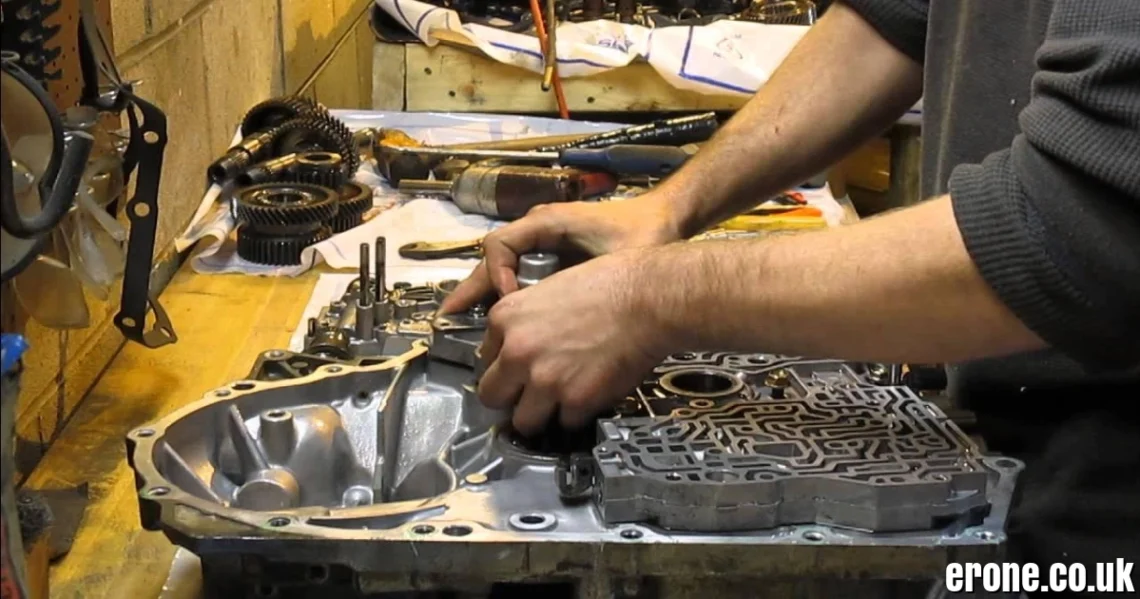
Internal disassembly (for major problems)
Hybrid and EV transmissions require specialized high-voltage trained technicians.
Automatic Gearbox Repair Options Explained
Repair depends on severity. Not every issue requires a full rebuild.
Minor Repairs
These are affordable and quick:
-
Fluid flush/change
-
Filter replacement
-
Seal or gasket replacement
-
Solenoid replacement
Often completed without removing the transmission.
Moderate Repairs
These require partial disassembly:
-
Valve body rebuild
-
Torque converter replacement
-
Clutch pack replacement
Labor time increases significantly here.
Major Repairs: Rebuild vs Replacement
When internal components fail, you have two options:
1. Transmission Rebuild
-
Complete disassembly
-
Replacement of worn clutches, seals, gears
-
Custom repair based on damage
-
10–20 labor hours
Cost (2026): $1,500 – $5,500
2. Full Replacement
-
Installation of remanufactured transmission
-
Includes warranty (often 3 years/100,000 miles)
-
Faster solution than rebuild
Cost (2026): $2,500 – $7,000+
Luxury vehicles and CVTs often cost more.
Automatic Gearbox Repair Costs in 2026
Transmission repair is not cheap. It’s one of the most expensive vehicle repairs due to complexity and labor hours.
| Repair Type | Estimated Cost (USD) | Notes |
|---|---|---|
| Fluid Change/Flush | $150 – $500 | Includes filter |
| Leak Repair | $200 – $800 | Labor dependent |
| Solenoid Replacement | $200 – $1,000 | Multiple solenoids increase cost |
| Torque Converter Repair | $500 – $1,500 | Requires removal |
| Rebuild | $1,500 – $5,500 | 10–20 hours labor |
| Full Replacement | $2,500 – $7,000+ | Warranty included |
Cost Factors
-
Vehicle make and model
-
Urban vs rural labor rates ($100–$150/hour)
-
Parts availability
-
CVT or hybrid complexity
-
Warranty inclusion
In countries like Pakistan, costs may range from PKR 50,000 to PKR 500,000, depending on vehicle type and imported parts availability.
Always get multiple quotes before committing.
How to Prevent Automatic Gearbox Failure
Prevention is cheaper than repair. A $200 service can prevent a $3,000 rebuild.
1. Regular Fluid Changes
Change transmission fluid every:
-
30,000–60,000 miles
-
Or as manufacturer recommends
Always use the correct fluid type (e.g., ATF+4 for Chrysler).
2. Avoid Overheating
-
Don’t overload vehicle
-
Avoid aggressive towing
-
Install auxiliary cooler if needed
3. Drive Smoothly
-
Avoid sudden acceleration
-
Avoid hard braking
-
Let the vehicle warm up in cold climates
4. Annual Inspection
Check:
-
Fluid condition
-
Leaks
-
Software updates
5. Respond to Warning Signs Immediately
Ignoring symptoms increases damage exponentially.
A well-maintained automatic transmission can last 150,000–200,000 miles.
When Should You See a Professional?
DIY repairs are limited to:
-
Fluid checks
-
Basic fluid changes
Everything else requires:
-
Lift equipment
-
Specialized tools
Always consult:
-
ASE-certified mechanics
-
Transmission specialists
-
Hybrid-certified technicians (for EVs and hybrids)
If severe symptoms appear, tow the vehicle instead of driving it. Continuing to drive can cause catastrophic failure.
In 2026, AI-driven diagnostics are improving accuracy, but skilled technicians remain essential for reliable repairs.
Conclusion
Automatic gearbox repair in 2026 requires more than mechanical knowledge — it demands advanced diagnostics, electronic expertise, and preventive care. Whether it’s a minor fluid leak or a full rebuild, addressing issues early can save thousands of dollars.
Modern transmissions are durable but sensitive. Regular maintenance, smooth driving habits, and prompt attention to warning signs will extend lifespan significantly.
If your vehicle shows signs of slipping, rough shifting, overheating, or strange noises, don’t ignore them. Acting quickly can mean the difference between a simple service and a costly replacement.
FAQs About Automatic Gearbox Repair
1. How long does an automatic transmission last?
With proper maintenance, most automatic transmissions last 150,000–200,000 miles.
2. Is it cheaper to rebuild or replace a transmission?
Rebuilding is often cheaper, but replacement offers stronger warranties and quicker turnaround.
3. Can I drive with a slipping transmission?
No. Driving with slipping gears can cause severe internal damage.
4. How often should transmission fluid be changed?
Typically every 30,000–60,000 miles, depending on manufacturer recommendations.
5. Are CVT transmissions more expensive to repair?
Yes. CVTs and hybrid e-CVT systems generally cost more due to specialized components and expertise required.