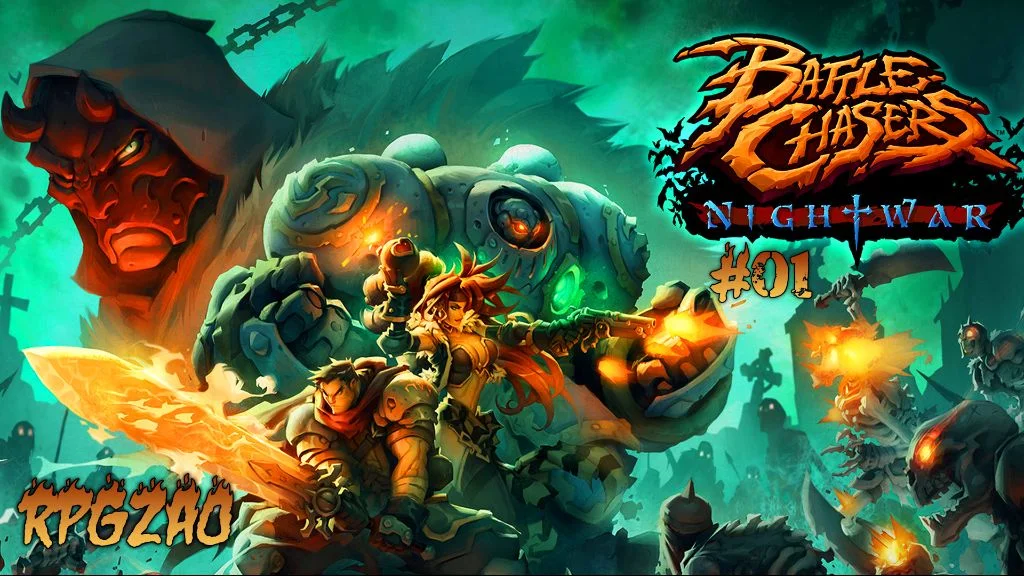
“BattleChasers 1 Butt Cover” is a long-discussed topic among comic book collectors, art historians, and fantasy illustration fans. It refers to a specific variant and artistic controversy surrounding Battle Chasers #1, a legendary comic created by Joe Madureira (Joe Mad) in the late 1990s. Far from being explicit content, this topic centers on comic art censorship, anatomy edits, and collector lore.
This fully informative, SEO-optimized article explains the Battle Chasers #1 butt cover, why it exists, what makes it unique, and why it still generates search interest today. Important terms are bolded for clarity and ranking strength.
What Is Battle Chasers #1 and Why It Became Iconic
Battle Chasers #1 debuted in 1998 and instantly became one of the most influential fantasy comics of its era. Created by Joe Madureira, the series blended:
-
High-fantasy storytelling
-
Video-game-inspired design
-
Dynamic, exaggerated anatomy
-
Highly detailed character art
The comic sold hundreds of thousands of copies, an extraordinary number for a creator-owned title at the time. Its popularity helped redefine modern fantasy comics and later inspired:
-
A successful video game
-
Continued reprints and collections
-
Long-term fan discussions about its artwork
One of those discussions centers around the now-famous “butt cover” controversy.
What Does “BattleChasers 1 Butt Cover” Actually Mean
The term “BattleChasers 1 Butt Cover” refers to early artwork and cover versions where a female character’s anatomy—specifically the gluteal area—was more pronounced in the original art than in later published or widely circulated versions.
Over time:
-
Some printings showed altered anatomy
-
Certain previews and scans revealed less edited versions
-
Fans noticed differences between editions
This led to the nickname “butt cover,” not as a sexual reference, but as comic-collector shorthand for art edits and censorship changes.
Why the Cover Art Was Altered or Edited
In the late 1990s, comic publishers were under increased scrutiny from distributors, retailers, and parent companies. Even mild anatomical exaggeration could trigger concerns about:
-
Retail suitability
-
Mainstream distribution
-
Public perception
As a result:
-
Minor edits were sometimes applied to cover art
-
Anatomy was subtly reshaped or reduced
-
Poses were softened without changing composition
The Battle Chasers #1 butt cover discussion exists because fans noticed these changes and preserved comparisons between versions, making it a case study in comic art modification.
Collector Interest and Variant Speculation
Among collectors, the BattleChasers 1 Butt Cover became part of comic folklore. Some fans believed:
-
Early printings were rarer
-
Certain versions were “uncensored”
-
Specific scans represented original intent
While no officially marketed “butt variant” exists, the discussion increased:
-
Collector demand
-
Online speculation
-
Value debates
This phenomenon mirrors similar cases in comic history where small visual differences dramatically increase interest, even when the change is subtle.
Art Style, Anatomy, and Joe Madureira’s Influence
Joe Madureira’s art style is known for:
-
Exaggerated anatomy
-
Powerful silhouettes
-
Stylized fantasy proportions
In this context, the “butt cover” debate highlights a broader conversation about:
-
Artistic intent vs. publication standards
-
Fantasy stylization vs. realism
-
Creative freedom in mainstream comics
Rather than being explicit, the artwork reflects 90s fantasy illustration trends, where dramatic body shapes were common across comics, games, and animation.
Why the BattleChasers 1 Butt Cover Still Trends Today
Decades later, searches for BattleChasers 1 Butt Cover continue because:
-
The comic remains influential
-
Collectors research edition differences
-
Fans revisit classic comic controversies
-
Art censorship discussions remain relevant
Modern audiences are also more interested in:
-
Preserving original art
-
Understanding publishing decisions
-
Documenting pop-culture history
What began as a small artistic adjustment has become a symbolic example of how comics evolve after creation.
Conclusion
The BattleChasers 1 Butt Cover is not about explicit content—it is about comic book history, artistic edits, and collector culture. It represents how small visual changes can spark long-lasting discussion, especially when tied to an iconic creator like Joe Madureira.
Today, it stands as a reminder of:
-
The balance between art and publishing norms
-
The passion of comic fandoms
-
The lasting impact of 1990s fantasy comics
For fans, collectors, and historians alike, the topic remains a fascinating footnote in the legacy of Battle Chasers.