Dongeuran is a term that has gained attention across various online platforms — from Korean entertainment to Instagram fashion aesthetics and niche fan communities. Although not widely documented in dictionaries, its unique usage in art, photography, nicknames, and digital culture has turned it into a recognizable keyword among certain audiences.
In this comprehensive guide, we’ll explore what Dongeuran means, its linguistic roots, its presence in popular culture, and why it has become a trendy term in online creative circles. Whether you’ve come across Dongeuran in a social media post, a K-drama fandom, or a Pinterest mood board, this article will help you understand its full spectrum of meanings and applications.
1: Understanding the Meaning of Dongeuran
The word Dongeuran (동그란) originates from Korean, where “동그란” is an adjective meaning “round” or “rounded”. It’s derived from the root 동그랗다 (donggeurata), which refers to something circular, smooth, or softly curved.
In everyday Korean conversation, Don geuran can describe objects and shapes: A round face. A circular table. A perfectly round fruit
However, in the digital age, the term has expanded far beyond its literal meaning, taking on cultural, stylistic, and even persona-based significance.
Example in language:
Dongeuran nun (동그란 눈) → round eyes. Dongeuran seonghwa (동그란 성화) → round design/shape in art
This linguistic foundation is essential to understanding why Don geuran works so well as a nickname, fashion term, and aesthetic label in online culture.
2: Dongeuran in Korean Culture and Entertainment
Use in Nicknames and Stage Names
In some online communities and fan circles, Dongeuran is used as a nickname or stage name to convey softness, cuteness, or approachability. For example, in certain fan-made adaptations and games such as Five Hearts Under One Roof, it appears as a stylized name for a character known as “Gran Dong” or “Dong-geuran.”
This use aligns with Korean nickname culture, where descriptive adjectives often become personal identifiers. Just like “Honey,” “Sunny,” or “Happy” in English, Don geuran suggests a friendly, approachable personality.
Association with K-Drama and K-Pop Aesthetics
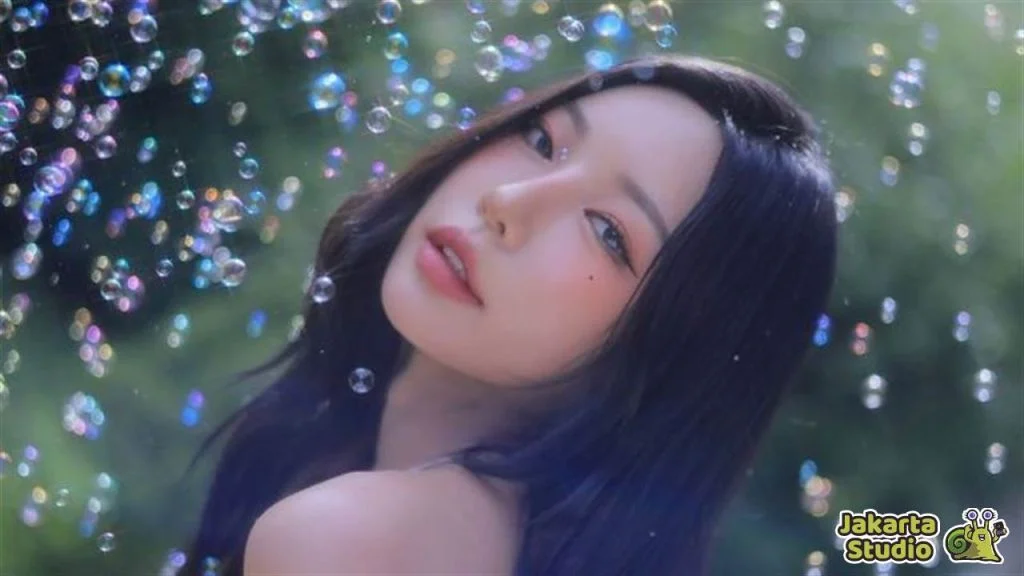
Korean entertainment often celebrates visual traits like big round eyes or a round, soft face shape as signs of beauty and innocence. The term Dongeuran fits perfectly into this aesthetic, making it appealing in K-pop stage personas, fan art, and profile bios.
Some fan accounts even use Don geuran as a tag for edits, GIF collections, and mood boards that highlight gentle, soft, rounded visuals in idol photography.
3: Dongeuran as a Visual and Fashion Aesthetic
The “Round & Soft” Aesthetic
On platforms like Pinterest, Instagram, and Tumblr, Dongeuran is linked to a cozy, rounded visual style. This often includes: Oversized, rounded sweaters. Circular earrings and jewelry. Soft makeup styles with round blush application. Photography with circular framing
This aesthetic emphasizes comfort, warmth, and visual gentleness, aligning with broader Korean trends like “creamy girl” or “softcore” style.
H3: Photography and Mood Boards
In creative photography, dongeuran compositions highlight circular patterns — think coffee cups seen from above, sun hats, or circular mirrors. Influencers often pair the word with hashtags like:
-
#동그란
-
#roundvibes
-
#softaesthetic
This has helped Don geuran gain traction as both a visual keyword and a design inspiration term.
4: Dongeuran in the Age of Social Media
Popularity on Instagram and Pinterest
The Dongeuran aesthetic has been adopted by Korean influencers, artists, and models who want to stand out with a gentle, visually pleasing brand identity. You’ll often see: Circular backdrops. Rounded graphic elements in posts. Photo captions featuring 동그란 to evoke softness
Some Instagram accounts use “Don geuran” as part of their username or display name to reinforce this soft & approachable persona.
Influence on Brand Identity
For small online shops — especially those selling stationery, home décor, or K-beauty products — adding “Don geuran” to a brand name can convey:
-
Friendliness
-
Visual harmony
-
Cute & aesthetic appeal
This is similar to how Western brands use words like “Cozy” or “Sweet” in their names.
5: Dongeuran in Modern Art and Design
Roundness as a Design Principle
In modern visual design, circular shapes often symbolize unity, balance, and wholeness. Designers inspired by Don geuran may incorporate: Circular typography layouts. Rounded borders in web design. Circular product packaging
This design philosophy works well in logo design, where soft curves make brands appear friendly and welcoming.
Cross-Cultural Influence
While Dongeuran is a Korean term, the fascination with rounded forms appears globally: Japanese “Maru” (まる) culture also celebrates round shapes. Scandinavian minimalism uses rounded edges for softer aesthetics. Western children’s brands favor circles for their playful feel. The Don geuran concept fits seamlessly into this global design movement.
6: Future of the Dongeuran Concept
The Dongeuran phenomenon shows no sign of fading, especially with the continued rise of Korean cultural exports and social media aesthetics. We can expect: More influencers adopting “Don geuran” in usernames and branding. Increased use in fashion lookbooks. Expansion into product design and packaging concepts. Hashtag growth on global platforms as non-Korean speakers discover the term
Ultimately, Don geuran is more than a literal word for “round” — it’s a symbol of softness, warmth, and aesthetic appeal in the modern creative landscape.
Final Thoughts
From its Korean linguistic roots to its presence in entertainment, fashion, design, and social media, Dongeuran has evolved into a multifaceted cultural keyword. Its ability to evoke gentleness, comfort, and visual harmony makes it a powerful tool for branding, art, and personal identity online.
Whether you encounter it as a nickname, a fashion tag, or a design inspiration, Dongeuran carries with it the charm of simplicity and rounded beauty — a trend that is likely to grow even further in the coming years.