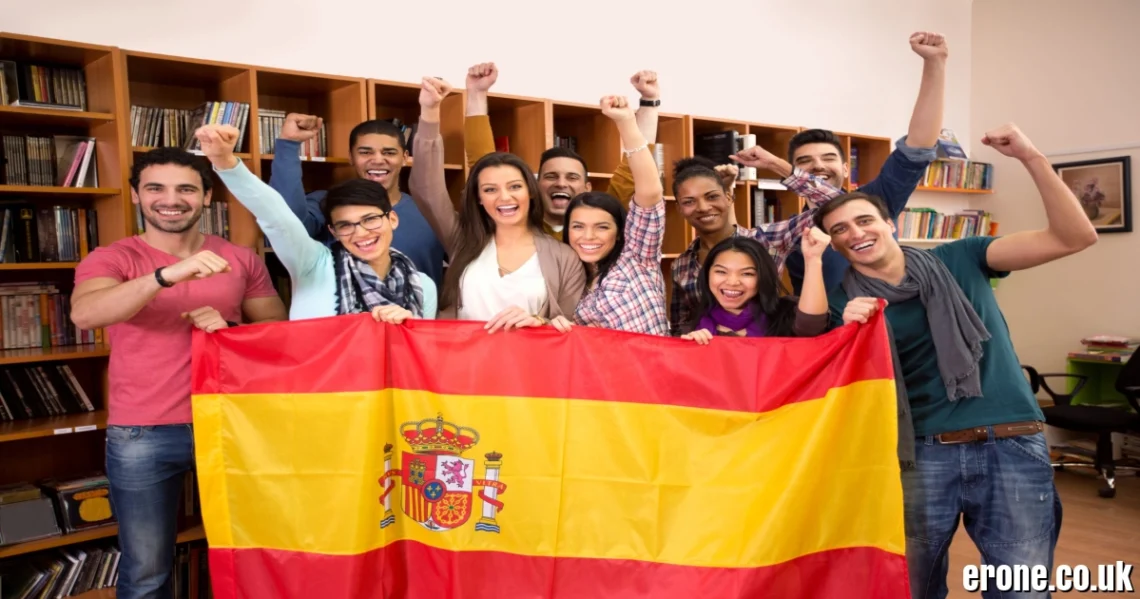
EEOOII stands for “Escuelas Oficiales de Idiomas”, which translates to Official Language Schools in Spain. These institutions form part of the Spanish public education system and specialize in teaching foreign languages to teenagers and adults. Managed by regional governments but regulated by Spain’s national education framework, EEOOII provide structured language education with officially recognized certifications.
As of 2026, thousands of students across Spain enroll in EEOOII programs each year to learn languages such as English, French, German, Italian, Portuguese, Chinese, and more. These schools play a major role in promoting multilingual education, cultural exchange, and professional language qualifications.
1. What Are EEOOII?
EEOOII (Escuelas Oficiales de Idiomas) are public institutions dedicated to language learning and certification.
Part of Spain’s Public Education System
These schools operate under Spain’s Ministry of Education and regional education departments, ensuring standardized learning programs and certification levels.
Key characteristics include:
-
Government-supported education
-
Official language certifications
-
Affordable tuition compared to private academies
Accessible Language Education
EEOOII programs are designed for:
-
adults seeking professional language skills
-
students preparing for international studies
-
individuals interested in cultural enrichment
This accessibility has made EEOOII one of the largest public language education systems in Europe.
2. History and Development of EEOOII
The history of Spain’s Official Language Schools dates back over a century.
Early Foundations
The first official language schools were created in 1911, aiming to provide structured language education to Spanish citizens.
Over time, the network expanded significantly, especially during the late 20th century as globalization increased the demand for foreign language proficiency.
Expansion Across Spain
Today, hundreds of EEOOII schools operate throughout Spain, including in regions such as:
-
Madrid
-
Catalonia
-
Andalusia
-
Basque Country
-
Murcia
-
Aragon
These institutions collectively serve tens of thousands of students annually.
3. Languages Offered in EEOOII Schools
One of the key strengths of the EEOOII system is its diverse language offering.
Popular Language Programs
The most commonly studied languages include:
-
English
-
French
-
German
-
Italian
-
Portuguese
These languages are widely used in international business, tourism, and education, making them highly popular among students.
Additional Languages
Many schools also offer less common languages, such as:
-
Chinese
-
Japanese
-
Arabic
-
Russian
The availability of languages varies depending on the region and school.
4. Certification Levels in EEOOII
EEOOII follow the Common European Framework of Reference for Languages (CEFR), which standardizes language proficiency across Europe.
CEFR Language Levels
Students progress through several levels:
-
A1–A2: Basic user
-
B1–B2: Independent user
-
C1–C2: Proficient user
These levels correspond to internationally recognized language proficiency standards.
Official Certificates
After completing exams, students receive official language certificates recognized by:
-
universities
-
employers
-
government institutions
These certifications are especially useful for academic admissions and job applications.
5. Events, Conferences, and Educational Collaboration
EEOOII schools also contribute to academic collaboration and language education research.
National Congress of EEOOII
Spain regularly hosts events like the National Congress of Official Language Schools, where educators and experts discuss:
-
language teaching methods
-
digital learning tools
-
educational policies
These conferences help improve teaching quality and innovation.
Educational Partnerships
EEOOII schools often collaborate with:
-
publishing companies
-
language institutes
-
cultural organizations
For example, educational publishers provide specialized learning materials tailored to EEOOII curricula.
6. Why EEOOII Remain Important in 2026
In today’s globalized world, multilingual communication skills are more valuable than ever.
Career Advantages
Learning languages through EEOOII can help individuals:
-
access global education programs
Language proficiency is especially important in sectors such as tourism, business, diplomacy, and technology.
Cultural and Social Benefits
Beyond professional benefits, EEOOII promote:
-
cultural exchange
-
international understanding
-
personal development
Students gain not only language skills but also deeper knowledge of different cultures and societies.
Conclusion
EEOOII (Escuelas Oficiales de Idiomas) represent one of Spain’s most important educational systems for language learning and certification. With a history dating back more than a century, these institutions continue to provide high-quality, affordable language education to thousands of students across the country.
By offering recognized certifications, diverse language programs, and professional teaching standards, EEOOII remain a key part of Spain’s commitment to multilingual education and international communication in 2026 and beyond.