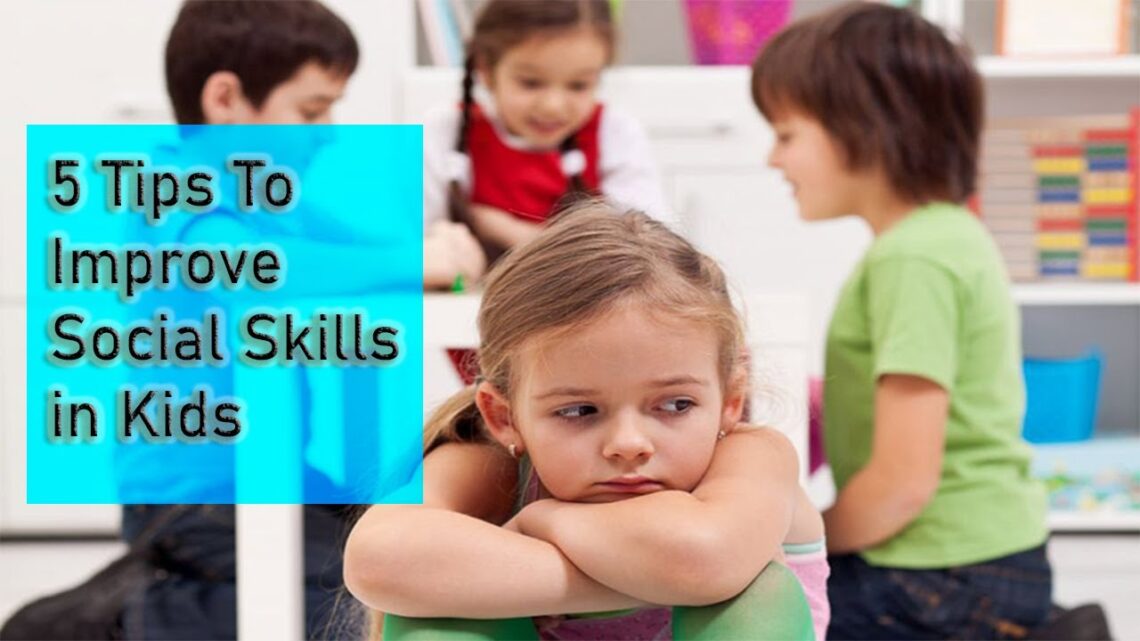
Every parent wants their child to feel comfortable making friends, joining conversations, and participating confidently in social situations. Some children are naturally outgoing, while others may need gentle guidance and practice to find their social footing. Thankfully, building strong interaction skills isn’t just about “fixing shyness”—it’s about helping your child learn how to communicate, empathize, cooperate, and feel secure in themselves.
Here are proven and parent-friendly tips to help your child move from shy to social in everyday life.
1. Encourage Playdates and Group Activities
One of the most effective ways to build social confidence is through repeated, positive interactions with peers. Arrange regular playdates—brief and manageable at first—to give your child chances to practice greeting, sharing, and communicating with other children in a relaxed, fun setting. Group activities like art sessions, sports, or music classes also promote cooperative play and teamwork skills.
2. Use Guided and Free Play to Build Social Behaviors
Play is where kids learn best. During playtime—whether at home, a playground, or a playgroup—children naturally practice important social skills like taking turns, sharing toys, and resolving disagreements. You can help by supervising without directing every move: let children lead and interrupt only to model positive interactions or guide problem-solving when needed.
Activities like dramatic play (pretending to be in a grocery store or doctor’s office) allow children to experiment with language and social roles, building empathy and confidence.
3. Teach Emotional Vocabulary
Young children often struggle socially simply because they lack the words to describe their feelings. Help your child expand their emotional vocabulary by naming emotions during daily life: “You look excited!” or “I see you’re feeling frustrated.” This encourages emotional intelligence—which in turn boosts empathy and communication with others.
4. Read Together and Talk About Social Situations
Storytime is more than just bonding—it’s a chance to explore social situations in a safe context. Choose books with themes about friendship, emotions, and teamwork. After reading, ask open-ended questions like “How do you think that character felt?” or “What would you do in that situation?” These conversations help children think about perspectives other than their own and practice empathy while improving language skills.
5. Model Social Interaction Yourself
Children learn a lot from watching you. Whether you’re greeting a neighbor, chatting at a park, or showing kindness to a sibling, your actions become a template for your child. Simple behaviors like making eye contact, saying “please” and “thank you,” or showing concern when someone is sad all teach valuable social cues that kids imitate.
6. Be Patient and Celebrate Progress
Growth in social skills doesn’t happen overnight. Celebrate small wins—like sharing a toy or asking another child to play—and offer gentle encouragement when your child tries something new. Avoid forcing interactions; instead, support and praise efforts toward progress, not perfection.
7. Expand Social Experiences Outside the Home
Family outings to parks, museums, libraries, or community events expose kids to diverse situations where they can observe and practice social behavior. Even simple experiences like saying “hello” to another child or waiting their turn on a slide help reinforce communication norms.
8. Consider Enrolling in Quality Early Learning Programs
Structured early education or play-based programs provide daily opportunities for children to interact, communicate, and cooperate in age-appropriate ways. If you’re looking for supportive environments where your child can develop social skills alongside peers, consider a day care center near you in West University Tucson. These programs combine play, group activities, and adult guidance to nurture confidence and interaction skills.
Final Thoughts
Helping your child grow from shy to socially confident is a journey built through everyday moments, thoughtful practice, and supportive environments. By encouraging interactions, modeling positive behavior, and offering opportunities for play and communication, you’re giving your child essential tools for friendships, teamwork, and lifelong success.