1. Why Hair Dye Stains the Skin
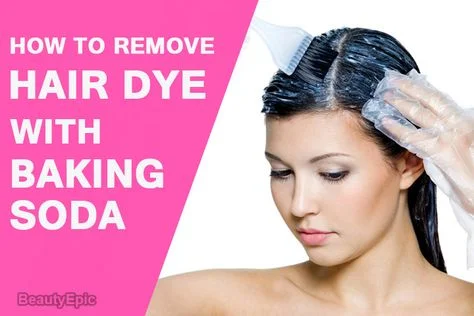
Hair Dye How To Remove From Skin: Hair dye stains the skin because it contains strong pigments and chemical developers designed to penetrate hair shafts. When dye touches the forehead, ears, neck, or hands, it binds to the top layer of skin, especially if the skin is dry or porous.
Dark shades like black, brown, red, and blue stain more easily, while lighter dyes may still leave visible discoloration. Understanding why stains happen helps you choose the most effective and safest removal method without irritating your skin.
2. Remove Hair Dye with Soap and Warm Water (First Step)
If the dye stain is fresh, your best first option is warm water and gentle soap.
How to do it:
-
Wet the stained area with warm (not hot) water
-
Apply a gentle hand soap or facial cleanser
-
Massage in small circular motions for 30–60 seconds
-
Rinse and repeat if necessary
This method works best within a few hours after dyeing and is safe for all skin types, especially sensitive skin.
3. Use Oil-Based Products to Lift Dye Stains
Oil breaks down hair dye pigments, making it one of the safest and most effective methods.
Best oils include:
-
Coconut oil
-
Olive oil
-
Baby oil
-
Makeup remover (oil-based)
Steps:
-
Apply oil generously to the stained area
-
Massage gently for 2–3 minutes
-
Leave it on for 10–30 minutes
-
Wipe away with a warm, damp cloth
This method is excellent for hairlines, ears, and neck and helps moisturize the skin at the same time.
4. Gentle Exfoliation Methods That Actually Work
When stains don’t fade easily, gentle exfoliation can help remove dye from the skin.
Safe exfoliating options:
-
Baking soda + dish soap (equal parts)
-
Toothpaste (non-gel, white)
-
Facial scrub
How to exfoliate safely:
-
Apply a small amount to the stain
-
Rub gently with fingertips or a soft cloth
-
Do not scrub aggressively
-
Rinse thoroughly and moisturize
This method works best for hands, neck, and forehead, but avoid overuse to prevent irritation.
5. Alcohol, Micellar Water, and Emergency Solutions
For stubborn stains, stronger solutions may be used cautiously:
-
Rubbing alcohol
-
Hand sanitizer
-
Micellar water
-
Hydrogen peroxide (very small amounts)
Important tips:
-
Use a cotton pad, not fingers
-
Dab gently—do not rub hard
-
Rinse immediately after
-
Apply moisturizer afterward
These methods should be used sparingly, especially on the face, as they can dry or irritate skin.
6. How to Prevent Hair Dye from Staining Skin
Prevention is always easier than removal. Before dyeing your hair:
-
Apply petroleum jelly or conditioner along the hairline
-
Wear gloves
-
Clean spills immediately
-
Avoid dyeing on dry, unmoisturized skin
Using a protective barrier significantly reduces staining and saves time afterward.
Conclusion
Removing hair dye from skin is easy when you act quickly and choose the right method. From soap and oil-based removers to gentle exfoliation and alcohol-based solutions, there are safe options for every skin type. Always be gentle, moisturize afterward, and focus on prevention for future dye jobs. With the right approach, dye stains don’t have to ruin your look—or your skin.
Frequently Asked Questions (FAQs)
1. Can hair dye damage my skin?
Temporary staining is harmless, but harsh scrubbing or chemicals can irritate skin.
2. What removes hair dye fastest from skin?
Oil-based products work fastest and safest for most people.
3. Is toothpaste safe for removing hair dye?
Yes, non-gel white toothpaste can help when used gently.
4. Can I use nail polish remover?
Only as a last resort and never near the eyes—it’s harsh on skin.
5. How long do hair dye stains last naturally?
Most fade within 2–5 days as skin naturally exfoliates.