Histerectomia Laparoscópica in Brazil, you probably have questions—lots of them. Is it safe? Is it available through SUS? What are the risks? How long does recovery take? And most importantly: is it the right choice for you?
In 2026, laparoscopic hysterectomy continues to be one of the most advanced and widely performed gynecological surgeries in Brazil. With smaller incisions, faster recovery, and lower complication rates compared to open surgery, it has become the preferred method in many cases.
Let’s break everything down in a clear, human, and practical way.
What Is Laparoscopic Hysterectomy?
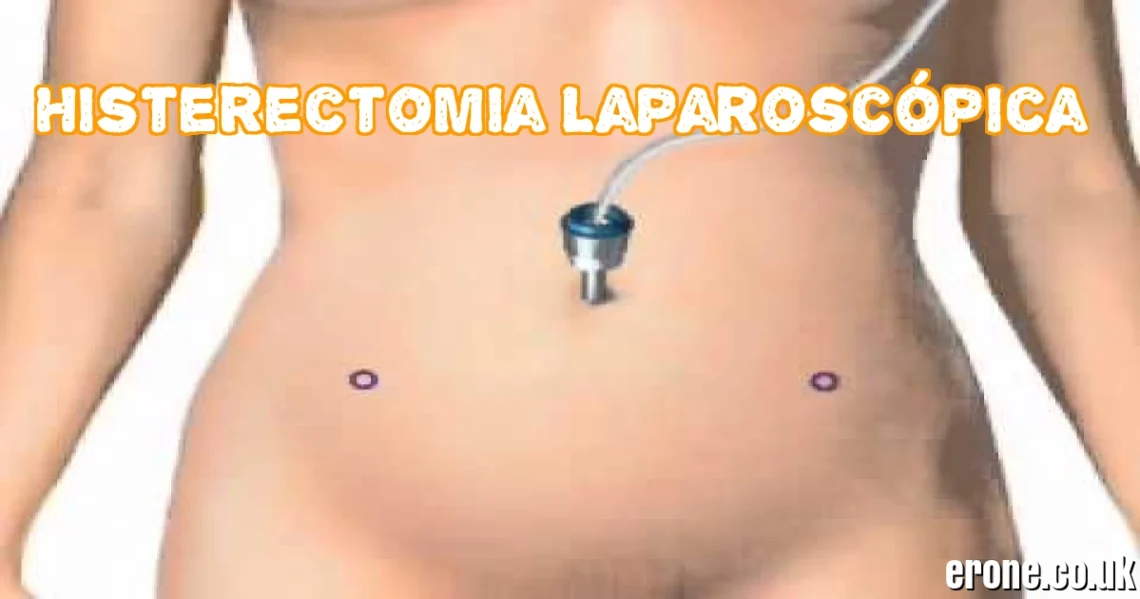
Laparoscopic hysterectomy (histerectomia laparoscópica) is a minimally invasive surgical procedure used to remove the uterus through small abdominal incisions using a camera called a laparoscope and specialized instruments.
Instead of one large abdominal cut (like traditional open surgery), surgeons make 3 to 4 small incisions (usually 0.5 to 2 cm). Through one incision, a tiny camera is inserted, projecting high-definition images onto a monitor. This allows the surgeon to operate with extreme precision.
In Brazil, the first documented laparoscopic hysterectomy was performed in 1991 in São Paulo by Dr. Francesco Viscomi, and since then, the technique has become standard practice in both public hospitals (SUS) and private healthcare centers.
Today, it’s commonly performed in states like:
-
São Paulo
-
Rio de Janeiro
-
Minas Gerais
-
Rio Grande do Sul
-
Paraná
Advanced hospitals even offer robotic-assisted laparoscopic hysterectomy, especially in major teaching institutions.
Simply put, this is modern gynecologic surgery at its best.
Types of Hysterectomy Performed Laparoscopically
Not all hysterectomies are the same. The difference lies in how much tissue is removed.
1. Total Hysterectomy (Histerectomia Total)
This is the most common type. It removes:
-
The entire uterus
-
The cervix
This option eliminates the need for future Pap smears since the cervix is removed.
2. Subtotal (Partial) Hysterectomy
Removes:
-
The upper part of the uterus
-
Preserves the cervix
Some believe preserving the cervix may reduce pelvic prolapse risk, but continued cervical cancer screening is required.
3. Radical Hysterectomy
This is typically used for gynecologic cancers and removes:
-
Uterus
-
Cervix
-
Upper part of the vagina
-
Surrounding tissues (parametrium)
This is more extensive and usually performed in oncology centers.
Additional Procedures
Sometimes the surgeon may also remove:
-
Fallopian tubes (Salpingectomy)
-
Ovaries (Oophorectomy)
Removing ovaries may induce surgical menopause, which is an important discussion to have beforehand.
Who Needs a Laparoscopic Hysterectomy? (Main Indications in Brazil)
Doctors don’t recommend hysterectomy lightly. It’s usually considered when other treatments fail.
Common reasons in Brazil include:
1. Uterine Fibroids (Miomas)
Very common among Brazilian women. Large fibroids can cause:
-
Heavy bleeding
-
Pelvic pressure
-
Pain
2. Endometriosis and Adenomyosis
When abnormal tissue grows outside or inside the uterus, causing:
-
Severe pelvic pain
-
Painful periods
-
Infertility
3. Chronic Pelvic Pain
Persistent pain that does not improve with medication.
4. Abnormal Uterine Bleeding (Menorragia)
Excessive or irregular bleeding affecting quality of life.
5. Gynecologic Cancers
-
Cervical cancer
-
Endometrial cancer
-
Ovarian cancer
6. Uterine Prolapse
When the uterus descends into the vaginal canal.
According to Brazilian data, over 200,000 hysterectomies are performed annually, mostly for benign conditions like fibroids and endometriosis.
How the Procedure Is Performed (Step-by-Step)
Understanding the process reduces anxiety. Here’s what typically happens:
Before Surgery
You’ll be instructed to:
-
Stop smoking weeks before surgery
-
Pause blood thinners if needed
-
Fast for at least 8 hours
-
Complete blood tests and imaging exams
During Surgery
-
You receive general anesthesia.
-
A urinary catheter is placed.
-
A small incision is made in the navel.
-
Carbon dioxide gas inflates the abdomen.
-
A laparoscope is inserted.
-
2–4 additional small incisions are made.
-
The uterus is carefully detached.
-
It is removed through the vagina or small incision.
-
Incisions are closed with stitches or surgical glue.
The procedure lasts about 1–2 hours.
In advanced Brazilian hospitals, robotic systems allow even greater precision.
Benefits of Laparoscopic Hysterectomy
Compared to open abdominal surgery, the advantages are significant:
✔ Smaller Scars
Incisions of 0.5–2 cm instead of a large abdominal cut.
✔ Less Pain
Minimal tissue trauma means faster comfort.
✔ Shorter Hospital Stay
-
1–3 days
-
Sometimes same-day discharge
✔ Faster Recovery
Return to activities in 2–4 weeks instead of 6–8 weeks.
✔ Lower Infection Risk
✔ Less Blood Loss
Brazilian studies also show reduced overall hospitalization costs through SUS, despite higher equipment expenses.
Risks and Possible Complications
No surgery is risk-free. However, complication rates are low when performed by experienced surgeons.
Immediate Risks
-
Bleeding (up to 2.4%)
-
Infection
-
Injury to bladder or intestines (1–2%)
-
Blood clots (thrombosis)
-
Gas embolism (rare)
Long-Term Risks
-
Pain during intercourse
-
Organ prolapse
-
Urinary changes
-
Surgical menopause (if ovaries removed)
Brazilian mortality rates:
-
Vaginal: 0.02%
-
Laparoscopic: 0.03%
-
Abdominal: 0.12%
Minimally invasive approaches are clearly safer statistically.
Recovery Timeline and Post-Surgery Care
Recovery is smoother than most people expect.
First Days
-
Mild abdominal pain
-
Shoulder discomfort (from gas)
-
Light vaginal bleeding
At Home
-
Shower the next day
-
Use pads (no tampons)
-
Avoid heavy lifting
-
Walk daily to improve circulation
Restrictions
-
No sexual activity for 6–12 weeks
-
No driving for 2 weeks
-
No strenuous exercise for 3–4 weeks
Full Recovery
-
Light activities: 4–6 weeks
-
Complete healing: 6–8 weeks
Febrasgo guidelines emphasize gradual return to normal life.
Cost of Laparoscopic Hysterectomy in Brazil (2026 Update)
Costs vary widely.
SUS (Public System)
-
Often fully covered
-
Average cost to system: around R$1,774 (historical data)
-
Wait times may vary by region
Private Healthcare
-
R$10,000 to R$30,000
-
Robotic-assisted surgery increases cost
Urban centers offer better access than rural regions.
Emotional and Hormonal Impact
This is rarely discussed openly—but it matters.
Some women feel:
-
Relief
-
Emotional grief
-
Anxiety about femininity
If ovaries are removed, menopause symptoms may begin immediately:
-
Hot flashes
-
Mood swings
-
Sleep issues
Psychological support can be incredibly helpful.
Remember: removing the uterus does not remove your identity.
Is Laparoscopic Hysterectomy Safe in 2026?
Yes—when performed by experienced surgeons.
Training programs in Brazil have expanded significantly, and major centers now prioritize:
-
Patient-centered care
Always consult a certified gynecologist affiliated with Febrasgo guidelines.
Conclusion
Histerectomia laparoscópica in Brazil has become a safe, effective, and widely accessible solution for many gynecological conditions. With faster recovery, smaller scars, and lower complication rates, it represents a major advancement in women’s healthcare.
Whether performed through SUS or private hospitals, this minimally invasive approach continues to grow across Brazil in 2026.
The key is personalized evaluation. Every woman’s body—and story—is different.
FAQs
1. Is laparoscopic hysterectomy available through SUS in Brazil?
Yes. It is widely available in public hospitals, though wait times may vary by state.
2. How long does it take to recover?
Most women resume light activities in 4 weeks and fully recover in 6–8 weeks.
3. Will I enter menopause after surgery?
Only if your ovaries are removed.
4. Is it safer than open surgery?
Yes. It has lower complication and mortality rates.
5. Can I still have children after hysterectomy?
No. Removal of the uterus means pregnancy is no longer possible.