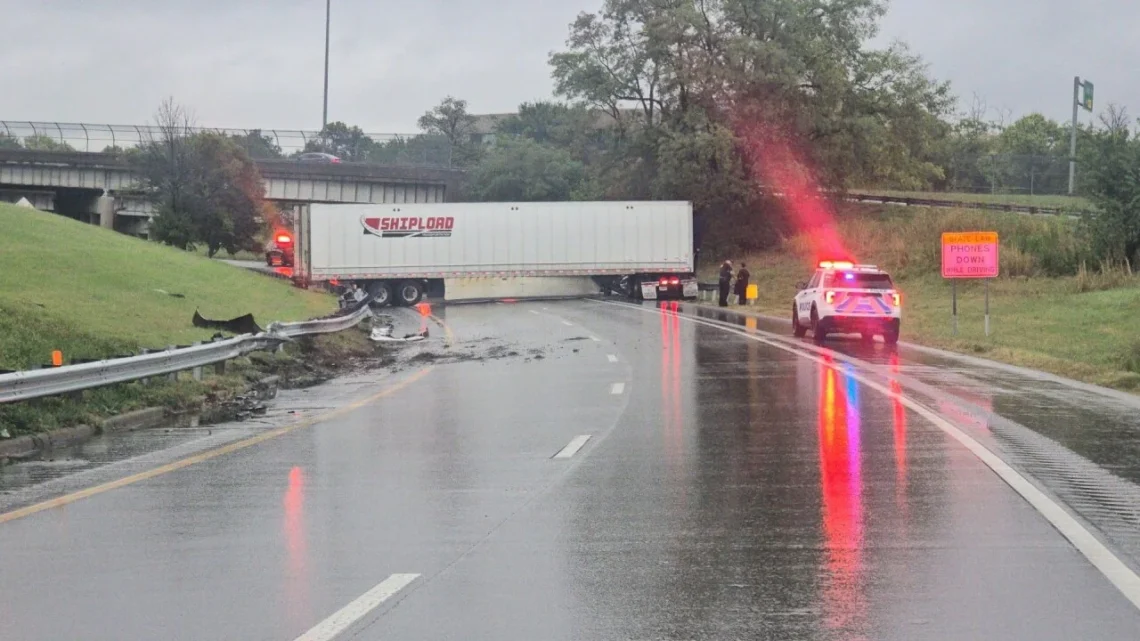
The I-75 power line shutdown has become a major concern for commuters, residents, businesses, and logistics operators across multiple regions. When a critical interstate like Interstate 75 (I-75) is impacted by a power line shutdown, the effects ripple far beyond traffic delays. From public safety risks to economic disruptions, this type of incident demands clear understanding and accurate information.
This fully informative guide explains what the I-75 power line shutdown is, why it happens, how it affects daily life, and what authorities and drivers should do. If you are looking for reliable, easy-to-understand information written to rank high on Google, you’re in the right place.
What Is the I-75 Power Line Shutdown?
The I-75 power line shutdown refers to the temporary deactivation or removal of electrical power lines crossing or running parallel to Interstate 75, usually due to maintenance, emergency damage, construction, or safety hazards. These power lines may belong to utility companies, municipal grids, or regional energy providers.
In many cases, shutdowns occur when:
-
High-voltage transmission lines cross the interstate
-
Storms or accidents damage utility infrastructure
-
Road expansion or bridge work requires line relocation
-
Emergency repairs are needed to prevent further damage
Because I-75 is one of the busiest north–south highways in the United States, even a short shutdown can impact thousands of vehicles per hour. Authorities may temporarily close lanes, reduce traffic flow, or fully stop traffic to allow crews to work safely.
Unlike planned road construction, power line shutdowns can happen with little warning, especially during severe weather events or accidents involving utility poles or transmission towers. This unpredictability is what makes the issue particularly challenging for commuters and emergency services.
Why Power Line Shutdowns Happen Along I-75
Understanding why these shutdowns occur helps drivers and residents prepare better. The most common causes of I-75 power line shutdowns include safety, infrastructure aging, and environmental factors.
Primary reasons include:
-
Severe weather conditions such as storms, high winds, or lightning
-
Vehicle collisions with power poles or transmission supports
-
Scheduled maintenance to prevent long-term outages
-
Infrastructure upgrades for higher energy demand
-
Emergency hazards involving live wires near traffic
Power lines near interstates are exposed to constant vibration, weather stress, and environmental wear. Over time, this increases the risk of line sagging, insulation damage, or structural failure. When these risks reach a critical level, utility providers may request an immediate shutdown.
Safety is the top priority. Live high-voltage power lines near moving traffic pose a serious risk of electrocution, fire, and chain-reaction accidents. For this reason, authorities do not hesitate to stop traffic if conditions become dangerous.
Traffic Impact and Road Closures on I-75
One of the most visible effects of a power line shutdown on I-75 is traffic disruption. Because the interstate serves as a major freight and commuter corridor, any interruption can quickly escalate into miles-long congestion.
Common traffic impacts include:
-
Lane closures or full highway shutdowns
-
Severe traffic delays during peak hours
-
Detours through local roads
-
Increased accident risk due to sudden stops
-
Delayed emergency response times
Commercial trucking operations are often the hardest hit. Delays on I-75 can disrupt supply chains, delivery schedules, and fuel logistics across multiple states. Even a shutdown lasting a few hours can create economic losses worth thousands or millions of dollars.
Local commuters also face challenges, including missed work hours, school delays, and emergency access limitations. For this reason, transportation departments often work closely with utility companies and law enforcement to restore normal traffic flow as quickly as possible.
Safety Measures Taken During an I-75 Power Line Shutdown
When a power line shutdown occurs, strict safety protocols are immediately enforced. These measures protect utility workers, drivers, and nearby residents from serious harm.
Key safety actions include:
-
Complete de-energizing of affected power lines
-
Establishing safety perimeters around work zones
-
Deploying traffic control officers
-
Installing warning signs and barriers
-
Using aerial inspections and insulated equipment
Utility crews are trained to work under high-risk conditions, but they rely heavily on traffic compliance. Drivers ignoring lane closures or barriers put lives at risk—not just their own, but also the workers repairing the lines.
Emergency responders may also be placed on high alert, especially if the shutdown is caused by a collision or storm damage. Fire departments, EMS units, and police often remain on standby until the situation is fully resolved.
How Long Do I-75 Power Line Shutdowns Last?
The duration of an I-75 power line shutdown varies depending on the severity of the issue. Some shutdowns last less than an hour, while others may extend for several hours or even days.
Factors affecting duration include:
-
Extent of power line damage
-
Weather conditions
-
Availability of repair crews
-
Type of power infrastructure involved
-
Coordination with transportation authorities
Planned maintenance shutdowns are typically shorter and better coordinated, often scheduled during low-traffic hours. Emergency shutdowns, however, can take longer due to unpredictable damage assessments and safety clearances.
Transportation departments usually provide real-time updates through:
-
Traffic alert systems
-
Highway message boards
-
Official social media channels
-
Local news outlets
Staying informed is the best way to avoid unnecessary delays.
What Drivers and Residents Should Do During a Shutdown
When an I-75 power line shutdown is announced or encountered, knowing how to respond can make a significant difference.
Recommended actions:
-
Follow official detour instructions
-
Avoid the affected area if possible
-
Monitor traffic updates and alerts
-
Allow extra travel time
-
Never attempt to cross blocked zones
Residents living near I-75 should also remain cautious. Downed or exposed power lines are extremely dangerous, even if they appear inactive. Always assume lines are live unless confirmed otherwise by authorities.
For businesses and logistics operators, having alternate routing plans and flexible delivery schedules can minimize financial impact during shutdowns.
Conclusion
The I-75 power line shutdown is more than just a traffic inconvenience—it is a critical safety measure designed to protect lives and infrastructure. While disruptions can be frustrating, these shutdowns play a vital role in preventing serious accidents, electrical hazards, and long-term damage.
By understanding why shutdowns happen, how they are managed, and what actions to take, drivers and communities can respond more effectively. Staying informed and patient during these events helps ensure that repairs are completed safely and efficiently, allowing I-75 to return to normal operation as quickly as possible.
FAQs
1. Why does I-75 shut down for power line issues?
To prevent accidents, electrocution, and infrastructure damage during repairs or emergencies.
2. Are power line shutdowns planned in advance?
Some are scheduled, but many occur unexpectedly due to storms or accidents.
3. How can I get real-time updates on I-75 closures?
Check state DOT websites, traffic apps, and local news sources.
4. Can I drive under damaged power lines?
No. Always obey closures and assume lines are live.
5. Do power line shutdowns affect nearby neighborhoods?
Yes, they can cause temporary power outages and restricted access.