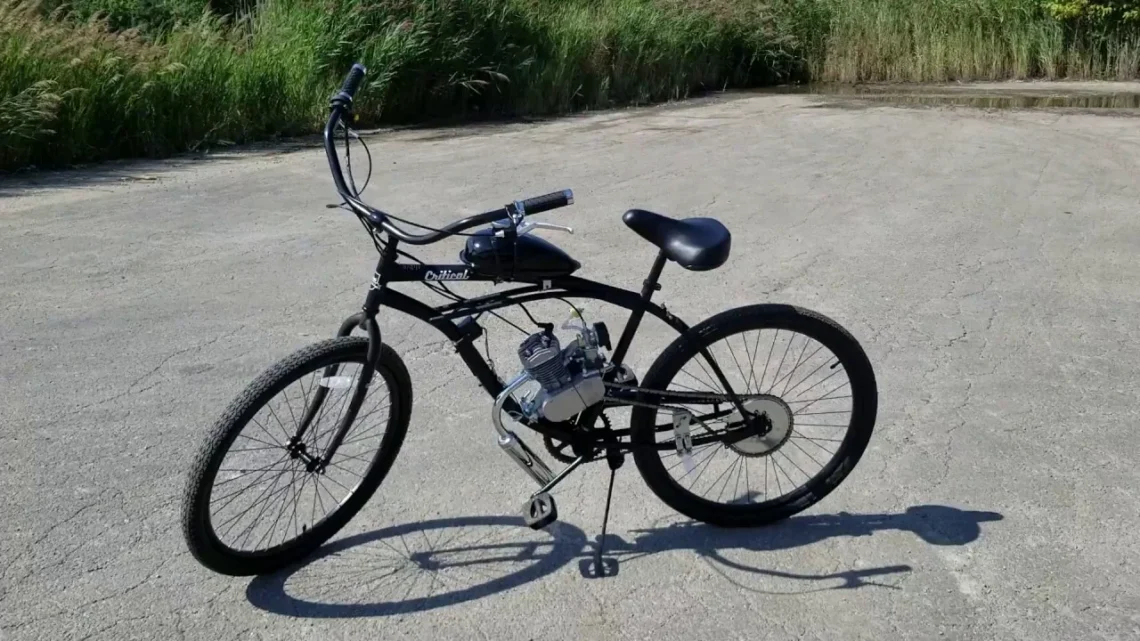
What Is a Gas-Powered Motorized Bicycle?
Motorized Bicycle Gas Powered: A gas-powered motorized bicycle is a standard pedal bicycle that has been upgraded with a small gasoline engine, typically ranging from 49cc to 80cc, allowing the rider to pedal normally or use engine power for propulsion. These bikes have exploded in popularity among commuters, hobbyists, and DIY builders because they offer motorcycle-like speed with bicycle-level affordability.
A gas motorized bicycle typically includes:
-
Two-stroke or four-stroke gas engine
-
Fuel tank
-
Throttle system
-
Chain drive or belt drive motor kit
-
Clutch or centrifugal automatic
These bikes are popular because they deliver:
-
60–150 MPG fuel efficiency
-
20–40 mph top speeds
-
Low maintenance costs
-
Easy installation kits for beginners
Gas-powered motorized bicycles sit between a bicycle and a moped—fast enough for commuting but still simple and accessible for everyday riders.
How Gas-Powered Motorized Bicycles Work
A motorized bicycle gas powered system works by using a compact gasoline engine mounted on the bike frame. When engaged, the engine transfers power to the rear wheel via a chain drive, allowing the bike to accelerate without pedaling.
Key Components
-
Engine (2-stroke or 4-stroke)
-
Carburetor
-
Spark plug and ignition coil
-
Fuel tank and fuel line
-
Exhaust pipe
-
Throttle cable
-
Drive chain/sprocket
2-Stroke Engines
Two-stroke engines are the most common due to:
-
Lightweight design
-
Simpler mechanics
-
Fast acceleration
-
Lower price
But they require oil mixed with gasoline and are slightly louder.
4-Stroke Engines
Four-stroke kits are known for:
-
Cleaner operation
-
Better fuel economy
-
Quieter sound
-
Longer lifespan
They are heavier and generally more expensive, but preferred for long-term daily use.
Performance
A typical gas-powered motorized bicycle can:
-
Reach 25–40 mph
-
Run 60–150 miles per gallon
-
Carry riders from 100–300 lbs
-
Climb moderate hills
Because they keep the bicycle frame functional, the rider can alternate between pedaling, engine power, or both.
Pros and Cons of a Gas-Powered Motorized Bicycle
Gas-powered motorized bicycles have advantages that attract commuters, but they also come with limitations worth considering.
Advantages
1. Extremely Fuel Efficient
With 100+ MPG on average, they cost pennies to ride daily.
2. Affordable Setup
Most kits cost $100–$250, far cheaper than motorcycles, scooters, or e-bikes.
3. Easy to Install
Most gas kits take 2–4 hours for a beginner to install.
4. Higher Speed Than Most E-Bikes
Gas bikes easily reach 30+ mph, often outrunning standard electric bikes.
5. Long Ride Range
Gas bikes can travel for hours without needing to recharge, unlike battery-powered models.
Disadvantages
1. Noise and Emissions
Gas engines are louder and less environmentally friendly compared to electric motors.
2. Legal Restrictions
Some states/countries require registration or prohibit gas bikes on bike paths.
3. Requires Maintenance
Spark plugs, fuel filters, and carburetors need occasional tuning.
4. Heavier Than a Standard Bike
Engines add 20–30 lbs, affecting portability.
Despite these downsides, many riders still prefer gas-powered builds for the power, speed, and cost-efficiency.
Laws and Regulations for Gas Motorized Bicycles
Laws vary widely depending on location, but most regions classify gas-powered bicycles differently than electric bicycles.
Common Legal Requirements
Depending on the state/country:
-
Helmet required
-
Engine must be 49cc or below to avoid being classified as a motorcycle
-
No license required in many U.S. states
-
Must stay under 30 mph
-
Not allowed on sidewalks or certain bike trails
-
Front and rear lights required at night
-
Must obey traffic rules like a slow-moving motor vehicle
Examples of Rules
California:
Gas bikes often require moped registration unless under very specific classifications.
Florida:
49cc gas bikes do not require a motorcycle license, but registration rules can vary.
New York:
Gas-powered motorized bicycles are generally not legal on public roads.
UK / EU:
Gas motorized bicycles are typically treated as mopeds, requiring registration and insurance.
Before riding, always check local motor vehicle codes.
Best Gas Engines and Kits for Motorized Bicycles
Gas motor kits come from several popular brands known for reliability and power. The most widely used engine displacements are 49cc, 66cc, 70cc, and 80cc (though “80cc” is often marketing for 66/70cc).
Top Engine Types
1. 49cc 4-Stroke Kits
-
Quiet, efficient
-
Ideal for commuting
-
Longer engine life
2. 66cc/70cc 2-Stroke Kits
-
Light and powerful
-
Easy to upgrade
-
Most popular for hobbyists
3. 80cc 2-Stroke Kits
-
Best for hill climbing
Best Brands to Consider
-
Bicycle Motor Works
-
Zeda (Zeda 80 / Firestorm)
-
BBR Tuning
-
Flying Horse
-
Grubee
-
Motorized Bicycle Kit (MBK)
These brands are known for better carburetors, improved cooling, and higher build quality.
Optional Upgrades
-
Performance carburetor
-
High-flow air filter
-
Expansion chamber exhaust
-
Upgraded CDI ignition
-
Heavy-duty chain
-
CNC billet head
Upgrades can boost speed, torque, and engine longevity.
Maintenance and Safety Tips for Gas Motorized Bicycles
Gas-powered motorized bicycles are simple machines, but they require regular maintenance to stay safe and reliable.
Essential Maintenance
-
Clean or replace spark plug every 50–100 miles
-
Adjust carburetor if engine runs rough
-
Lubricate chain every 100 miles
-
Check bolts and mounts regularly
-
Replace fuel lines yearly
-
Use correct fuel/oil mixture (for 2-strokes: typically 32:1 or 40:1)
Rider Safety Tips
-
Always wear a DOT-approved helmet
-
Install front and rear lights
-
Use disc brakes or upgraded caliper brakes
-
Check tires before riding
-
Avoid wet or icy surfaces
Because a gas motor adds speed and weight, safety upgrades are essential.