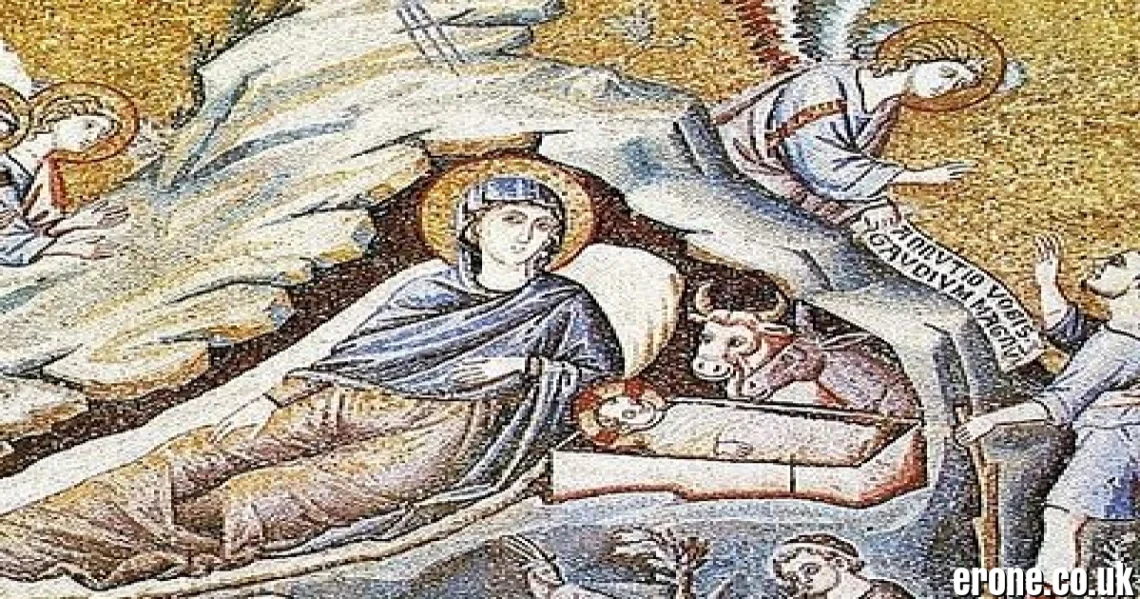
The word Nativität is a German term derived from the Latin word “nativitas,” meaning birth or origin. While it might appear simple at first glance, the concept of Nativität carries deep cultural, religious, philosophical, and even astrological significance. In modern discussions—especially in 2026—the term is widely recognized in three primary contexts: the biological meaning of birth, the astrological birth chart, and the religious story of the Nativity of Jesus Christ.
Across centuries, Nativität has been used to describe the beginning of life, the cosmic alignment at the moment of birth, and the sacred birth of Jesus, which is central to the Christian celebration of Christmas. In the United States, the Nativity tradition is especially visible during the holiday season through Nativity scenes, church plays, public displays, and cultural festivities.
Understanding Nativität requires looking beyond a single definition. It represents the start of life, the alignment of destiny, and a powerful spiritual story that has shaped global culture for over two thousand years.
The Meaning and Origins of the Word Nativität
The term Nativität originates from the Latin verb “nāscī,” meaning “to be born.” Over time, the word evolved into “nativitas,” which refers to birth, origin, or the circumstances surrounding someone’s arrival into the world. This root also connects to several modern words such as native, innate, and nativity.
In linguistic and cultural contexts, Nativität represents the moment of emergence—when something or someone begins to exist. This could refer to the birth of a person, the origin of a tradition, or even the beginning of an idea or movement.
Historically, European languages adopted the word in slightly different forms:
| Language | Term | Meaning |
|---|---|---|
| German | Nativität | Birth or nativity |
| English | Nativity | Birth, especially of Jesus |
| Latin | Nativitas | Origin or birth |
| French | Nativité | Nativity, religious birth |
The concept expanded beyond biological birth. Philosophers and historians often use the term to discuss the origins of civilizations, cultural traditions, or identities.
In modern usage, Nativität appears in several fields:
-
Biology and anthropology – describing the circumstances of birth
-
Astrology – referring to a person’s birth chart (Radix)
-
Religion and theology – referring specifically to the birth of Jesus Christ
This layered meaning makes the term unique. Few words connect science, spirituality, and cosmic symbolism as seamlessly as Nativität.
Even today, scholars studying religion, linguistics, or cultural traditions recognize Nativität as a powerful symbol of beginnings.
Nativität in Astrology: The Birth Chart Explained
What “Nativität” Means in Astrology
In astrology, the term Nativität refers to the exact position of celestial bodies at the moment a person is born. This configuration forms the foundation of what astrologers call a birth chart or natal chart, also known as the Radix.
The idea behind astrological Nativität is that the alignment of planets, stars, and zodiac signs at birth influences personality, destiny, and life experiences. Astrologers believe this cosmic snapshot provides insights into:
-
Personality traits
-
Emotional patterns
-
Strengths and weaknesses
-
Potential life paths
When astrologers say they are “casting a nativity” or “setting the Nativität,” they are creating a chart based on three crucial factors:
-
Date of birth
-
Exact time of birth
-
Location of birth
With this information, astrologers calculate planetary positions relative to the 12 zodiac signs and 12 astrological houses.
Key Elements of an Astrological Nativity Chart
A traditional natal chart (Radix) includes several essential components that astrologers analyze carefully.
| Element | Meaning |
|---|---|
| Sun Sign | Core identity and life purpose |
| Moon Sign | Emotional nature and inner self |
| Rising Sign (Ascendant) | Outward personality and first impressions |
| Planets | Different psychological influences |
| Astrological Houses | Areas of life affected |
For example, someone born with Mars in Aries may be considered energetic and assertive, while Venus in Libra might suggest strong relationship values.
Although astrology is not recognized as a scientific discipline, it remains extremely popular worldwide, particularly in digital horoscope platforms and lifestyle media. According to surveys published in recent years, over 30% of Americans show interest in astrology-related content, especially among younger audiences.
The concept of Nativität in astrology therefore continues to shape modern spiritual practices, personality interpretations, and horoscope culture.
The Nativity of Jesus Christ in Christianity
Biblical Story of the Nativity
In Christianity, “The Nativity” refers specifically to the birth of Jesus Christ, one of the most significant events in the Christian faith. The story is primarily recorded in the New Testament Gospels of Matthew and Luke.
According to biblical accounts, Jesus was born in Bethlehem in Judea during the reign of King Herod the Great. His mother Mary was a virgin engaged to Joseph, a carpenter and descendant of King David. Christians believe Mary conceived Jesus through the Holy Spirit, fulfilling ancient prophecies about the coming Messiah.
Several key events define the Nativity narrative:
-
The Annunciation: The angel Gabriel appeared to Mary in Nazareth, announcing she would give birth to the Son of God.
-
Joseph’s Dream: An angel reassured Joseph that Mary’s pregnancy was divine and instructed him to name the child Jesus, meaning “God saves.”
-
Journey to Bethlehem: Due to a Roman census ordered by Emperor Augustus, Joseph and Mary traveled from Nazareth to Bethlehem.
-
Birth in a Manger: With no room available at the inn, Jesus was born in a stable and placed in a manger.
This humble birth setting emphasizes a central Christian message: divine greatness appearing in simplicity and humility.
Shepherds, Angels, and the Wise Men
Shortly after Jesus’ birth, the Bible describes extraordinary events witnessed by ordinary people.
Shepherds tending their flocks nearby were visited by angels announcing the “good news of great joy.” They traveled to Bethlehem to see the newborn child and spread the message of his birth.
Another famous part of the Nativity story involves the Magi (Wise Men) from the East. Guided by a mysterious star, they journeyed to Jerusalem and then Bethlehem, bringing symbolic gifts:
-
Gold – representing kingship
-
Frankincense – symbolizing divinity
-
Myrrh – foreshadowing sacrifice
King Herod, fearing the prophecy of a new king, attempted to locate the child. Warned in a dream, Joseph fled with Mary and Jesus to Egypt, escaping Herod’s order to kill male infants in Bethlehem.
These events fulfill several Old Testament prophecies, including Isaiah 7:14 and Micah 5:2, which predicted the Messiah’s birth.
For Christians worldwide, the Nativity represents God entering the human world to bring redemption and salvation.
Historical Context and the Date of the Nativity
While the biblical story provides the narrative, historians have long debated the exact date of Jesus’ birth.
Most scholars believe the Nativity occurred between 6 BC and 4 BC, based on historical references to King Herod’s death in 4 BC. This suggests that the traditional year AD 1 used in the modern calendar may not precisely match the historical event.
Interestingly, December 25 was not originally the universally recognized date for Christmas. Early Christians celebrated the Nativity on several different days throughout the year.
By the 4th century AD, the Western Church adopted December 25 as the official celebration. Historians propose several reasons for this decision:
-
It coincided with Roman winter festivals such as Saturnalia.
-
It aligned with celebrations of Sol Invictus, the Roman “unconquered sun.”
-
It symbolized Jesus as the “Light of the World.”
By 336 AD, records show that the Church in Rome officially celebrated Christmas on December 25.
Today, Christmas has become one of the largest global holidays, celebrated by billions of people worldwide. The Nativity story remains the spiritual foundation of these celebrations, even as secular traditions like Santa Claus, gift exchanges, and holiday markets have developed around it.
Nativity Traditions and Nativity Scenes
One of the most recognizable symbols of the Nativity is the Nativity scene, also called a crèche. These displays depict the moment of Jesus’ birth with figures representing key characters from the biblical narrative.
Typical Nativity scenes include:
-
Baby Jesus in a manger
-
Mary and Joseph
-
Shepherds
-
Angels
-
The Three Wise Men
-
Animals such as oxen and donkeys
-
The Star of Bethlehem
The tradition of displaying Nativity scenes began in 1223 when St. Francis of Assisi created the first live Nativity reenactment in Greccio, Italy. His goal was to make the story of Jesus’ birth accessible and emotionally powerful for ordinary people.
Over time, Nativity displays spread throughout Europe and eventually around the world. Today they appear in:
-
Churches
-
Public squares
In some regions, the displays are simple wooden figures. In others, they become elaborate artistic installations with dozens of characters and detailed landscapes.
Modern artists also incorporate local cultural elements, making Nativity scenes reflect diverse global traditions.
The Nativity in the United States
In the United States, the Nativity plays a major role in Christmas traditions, particularly among Christian communities. During the holiday season, Nativity scenes appear across the country in homes, churches, schools, and public spaces.
Many American families place Nativity sets near their Christmas trees, often adding figures gradually during the Advent season. Churches frequently organize Nativity plays, where children reenact the story of Mary, Joseph, the shepherds, and the Wise Men.
Several notable Nativity-related traditions exist in the United States:
-
Washington National Cathedral hosts international Nativity exhibits featuring sets from around the world.
-
Historic sites such as the Eisenhower National Historic Site display restored Nativity collections.
-
Community groups organize live Nativity performances during December.
Legal debates have occasionally arisen regarding Nativity scenes on public property. A landmark U.S. Supreme Court case (Lynch v. Donnelly, 1984) ruled that Nativity displays are constitutional when included as part of broader holiday exhibits, ensuring they do not exclusively endorse a religion.
This decision allowed many cities to continue displaying Nativity scenes alongside secular holiday decorations like Christmas trees, lights, and Santa Claus figures.
Even in a culturally diverse society, the Nativity continues to symbolize faith, tradition, and the message of peace and hope that Christmas represents.
Conclusion
The concept of Nativität carries profound meaning across multiple fields—language, astrology, religion, and culture. At its core, the term represents birth, beginnings, and the origins of life.
In astrology, Nativität refers to the cosmic alignment at the moment of birth, forming the basis of a person’s natal chart. In theology, the word holds even greater significance as it refers to the Nativity of Jesus Christ, an event that has shaped Christian faith and global culture for over two millennia.
The Nativity story continues to inspire art, music, traditions, and spiritual reflection, especially during the Christmas season. From ancient biblical narratives to modern Nativity scenes displayed across the United States, the message remains timeless.
Ultimately, Nativität symbolizes hope, renewal, and the powerful idea that every birth carries the promise of a new beginning.
FAQs
1. What does the word Nativität mean?
Nativität is a German word derived from the Latin nativitas, meaning birth, origin, or the circumstances surrounding birth.
2. What is Nativität in astrology?
In astrology, Nativität refers to a birth chart or natal horoscope, showing the positions of planets and stars at the moment a person is born.
3. Why is the Nativity of Jesus important?
The Nativity of Jesus Christ represents the Christian belief that God became human to bring salvation and hope to humanity, forming the foundation of Christmas.
4. When did the Nativity of Jesus occur historically?
Most historians estimate Jesus was born between 6 BC and 4 BC, during the reign of King Herod the Great.
5. Why is December 25 celebrated as Christmas?
The date December 25 was adopted in the 4th century AD, possibly to align with Roman winter festivals and symbolize Jesus as the “Light of the World.”