An air conditioner is an essential electrical appliance designed to regulate indoor temperature, humidity, and air quality. In modern society, where climate conditions are becoming more extreme and urban living spaces are increasingly enclosed, air conditioning systems have become a necessity rather than a luxury. They are widely used in homes, offices, hospitals, educational institutions, shopping centers, and industrial facilities to provide comfort and maintain a healthy environment. The air conditioner not only cools the air but also filters dust, controls moisture, and improves overall indoor air quality.
Professional Installation and Its Importance
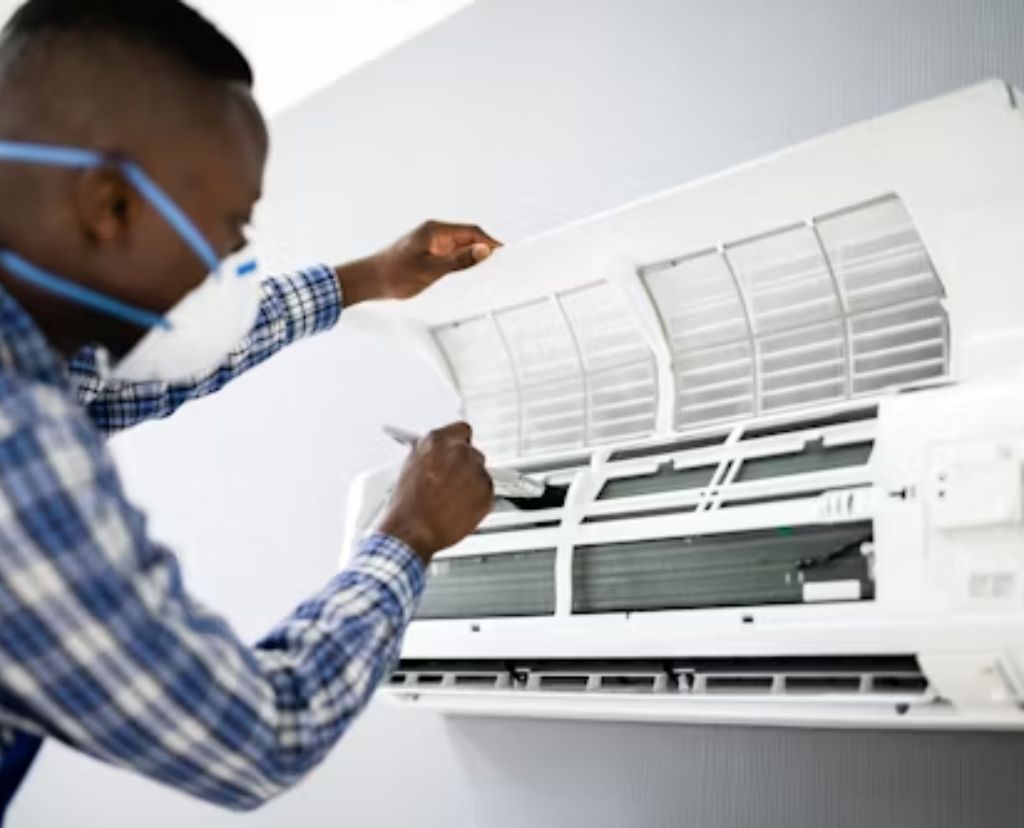
Air Conditioner Installation is one of the most important factors that determines the performance and longevity of an air conditioning system. Proper installation ensures that the unit operates efficiently, consumes less electricity, and provides uniform cooling throughout the space. Incorrect installation can lead to frequent breakdowns, higher energy consumption, water leakage, and reduced cooling capacity. Professional installation also includes correct placement of indoor and outdoor units, secure electrical connections, and proper drainage systems. Therefore, investing in expert installation services is essential for safe operation and long-term reliability.
Definition of an Air Conditioner
An Air Conditioner is a mechanical device that removes heat from indoor air and replaces it with cooler, filtered air. It operates on the principle of refrigeration, using a chemical refrigerant that absorbs heat and releases it outside the building. In addition to cooling, an air conditioner also dehumidifies the air, which helps reduce stickiness and discomfort caused by high humidity levels.
Historical Background
The modern air conditioner was invented in 1902 by Willis Haviland Carrier. Initially, it was created to control humidity in a printing plant rather than to cool people. Over time, the technology evolved, and air conditioners became smaller, more affordable, and suitable for residential use. Today’s air conditioning systems are equipped with advanced sensors, digital controls, and energy-saving technologies, making them more efficient and environmentally friendly.
Main Components of an Air Conditioner
An air conditioner consists of several important parts that work together to cool the air:
Compressor – Compresses the refrigerant and circulates it through the system.
Condenser Coil – Releases the absorbed heat to the outside environment.
Evaporator Coil – Absorbs heat from the indoor air and cools it.
Refrigerant – A special fluid that changes state from liquid to gas and back again to transfer heat.
Expansion Valve – Controls the flow of refrigerant into the evaporator coil.
Fan or Blower – Distributes cool air evenly throughout the room.
Air Filter – Removes dust, pollen, and other airborne particles.
Working Principle of an Air Conditioner
The working process of an air conditioner is based on heat exchange and the refrigeration cycle:
Warm air from the room is drawn into the system through a fan.
The air passes over the evaporator coil, which contains cold refrigerant.
The refrigerant absorbs the heat from the air, causing the air to cool down.
The cooled air is then circulated back into the room.
The absorbed heat is carried to the condenser coil and released outside.
This cycle repeats continuously until the desired temperature is achieved.
This process not only cools the air but also reduces humidity by condensing moisture from the air.
Types of Air Conditioners
There are various types of air conditioners designed to meet different cooling needs:
1. Window Air Conditioner
Installed in a window or wall opening, this type is suitable for small rooms. It is cost-effective and easy to install.
2. Split Air Conditioner
This system consists of an indoor unit and an outdoor unit. It operates quietly and is commonly used in homes and offices.
3. Central Air Conditioning System
Used in large buildings such as hotels, hospitals, and malls, it cools multiple rooms through a network of ducts.
4. Portable Air Conditioner
This type can be moved from one room to another and is ideal for temporary cooling requirements.
5. Inverter Air Conditioner
Equipped with advanced technology, it adjusts compressor speed according to cooling demand and saves energy.
Advantages of Air Conditioner
Air conditioners provide numerous benefits:
Comfort and Temperature Control: They maintain a pleasant indoor climate during hot weather.
Improved Air Quality: Filters remove dust, allergens, and pollutants.
Better Sleep and Productivity: A comfortable environment enhances focus and rest.
Humidity Control: Reduces excess moisture, preventing mold growth.
Protection of Equipment: Prevents overheating of electronic devices and machinery.
Disadvantages of Air Conditioner
Despite their benefits, air conditioners also have certain drawbacks:
High Electricity Consumption: Continuous usage increases energy bills.
Environmental Impact: Refrigerants can contribute to global warming if leaked.
Health Issues: Excessive exposure may cause dryness of skin and respiratory problems.
Maintenance Cost: Regular servicing and cleaning are required for efficient operation.
Energy Efficiency and Environmental Responsibility
Modern air conditioners are designed with energy efficiency in mind. Technologies such as inverter compressors, smart thermostats, and eco-friendly refrigerants help reduce power consumption and carbon emissions. Users are encouraged to set moderate temperatures, clean filters regularly, and use energy-saving modes to minimize environmental impact.
Role in Modern Life
In today’s world, air conditioners are vital in many sectors. Hospitals rely on them to maintain sterile and cool environments. Offices use them to ensure employee comfort and productivity. Industries depend on air conditioning systems to control temperature-sensitive processes. In homes, air conditioners provide relief from heat and improve quality of life.
Conclusion
The air conditioner is one of the most significant inventions of modern technology. It has transformed living and working conditions by providing comfort, improving air quality, and protecting both human health and equipment. While air conditioners consume energy and require maintenance, their benefits far outweigh their disadvantages when used responsibly. With proper installation, regular servicing, and efficient usage, air conditioning systems can serve as reliable companions in daily life, ensuring comfort and well-being for years to come.