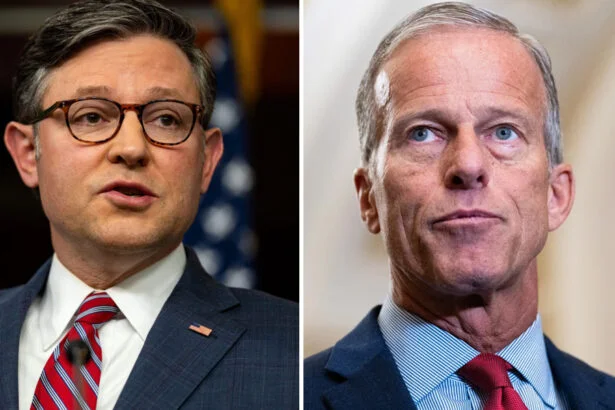
Prosecutor Greg Rosen Criticizes Trump’s Capitol Riot Pardons as Harmful: Reports and commentary surrounding the Capitol riot cases have highlighted strong reactions from legal experts. Among these voices, prosecutor Greg Rosen has been cited in discussions expressing concern that former President Donald Trump’s talk of pardoning Capitol riot defendants could be harmful to the justice system, undermine accountability, and create long-term institutional consequences.
This article explores the context, legal arguments, and reasons prosecutors say such pardons could be damaging.
Background: Capitol Riot Cases and Talk of Pardons
The January 6 Capitol riot resulted in one of the largest criminal investigations in U.S. history. Hundreds of defendants faced charges ranging from:
-
unlawful entry
-
assault on federal officers
-
obstruction of an official proceeding
-
conspiracy
Political debate intensified when Trump suggested the possibility of pardoning certain January 6 defendants in future political scenarios.
This sparked immediate reactions from prosecutors, legal analysts, and rule-of-law experts, who argued that pardons connected to the event could undermine accountability for violence against democratic institutions.
Greg Rosen’s Reported Criticism: Why Prosecutors See Pardons as Harmful
Commentary attributed to Greg Rosen, described in discussions as a former federal prosecutor, highlights multiple concerns about the impact of such pardons.
His criticism, as circulated in legal analysis forums and political commentary, focuses on three core areas:
• Erosion of Accountability
Rosen argues that pardoning individuals convicted of crimes connected to the attack on Congress would signal that violence against democratic institutions carries no consequences.
• Incentivizing Future Extremism
According to his view, pardons could embolden groups who believe that politically motivated violence will be excused.
• Damage to Prosecutorial Integrity
Rosen contends that mass pardons tied to a political event undermine the work of investigators, judges, and prosecutors who handled hundreds of complex cases.
While the broader legal community varies in opinion, many prosecutors share similar concerns.
Legal Implications: How Pardons Could Affect the Justice System
Legal experts emphasize that presidential pardons, while constitutional, carry significant systemic consequences.
Issues raised by prosecutors include:
1. Undermining Judicial Finality
Pardons could invalidate months or years of court work and erode confidence in judicial rulings.
2. Political Precedent
If pardons are tied to supporters or politically aligned groups, future leaders may view pardons as personal favors rather than justice tools.
3. Impact on Ongoing Investigations
Law enforcement agencies worry that broad pardon promises may discourage cooperation, plea agreements, or testimony in related cases.
4. Victim and Officer Impact
Capitol Police officers injured during the riot may view pardons as dismissing their experiences.
Why Prosecutors Warn About the Broader Democratic Impact
Legal analysts—including those referencing Rosen’s perspective—warn that such pardons could affect more than just individual cases.
• Rule of Law Perception
When violent actions targeting Congress are pardoned, it can weaken public belief in impartial justice.
• Federal Deterrence Power
Pardons could reduce the deterrent effect of federal criminal consequences, especially regarding political violence.
• Public Trust in Institutions
Restoring trust in government agencies after the Capitol riot has been an ongoing challenge; pardons may complicate this effort.
• Separation of Powers Concerns
Scholars note that pardons relating to crimes against the legislative branch raise unique constitutional questions.
These arguments have fueled intense debate across legal and political spheres.
Conclusion: A Debate With Lasting Consequences
While opinions differ sharply along political lines, discussions citing Greg Rosen’s prosecutorial viewpoint highlight a central argument:
pardoning Capitol riot participants could weaken accountability, embolden future extremism, and undermine confidence in democratic institutions.
The controversy underscores the broader national debate over how the justice system should respond to political violence—and whether presidential pardon powers should be used in such cases.