1. Understanding “Skip Navigation” and Why It Matters
Skip Navigationsearchcreate1Avatar Image “Skip Navigation” refers to a hidden but vital accessibility feature in modern web design.
A skip navigation link lets users—especially those using screen readers or keyboard navigation—bypass repetitive menus and jump directly to the main content of a page.
Without this feature, people relying on assistive technology would have to tab through every menu link each time they visit a new page, slowing navigation dramatically.
By adding a simple HTML link such as:
designers help users reach content faster.
Search engines favor accessible sites because they provide better usability metrics and longer dwell times.
That’s why adding skip navigation isn’t only ethical—it’s also good SEO practice.
2. The Role of Search Functions in Modern UI
The keyword string “skip navigation search create1 avatar image” also implies an integrated search function—an essential element for any digital interface.
A properly designed search bar improves site engagement by helping visitors find content instantly.
Best practices for search integration include:
-
Visible placement at the top or in a sticky header.
-
Predictive text to suggest results as users type.
-
Accessible labels such as
<label for="site-search">Search</label>. -
Voice search support for mobile users.
These features combine accessibility and convenience—just like the skip link—so users can move efficiently between menus, content, and interactive tools such as avatar creation forms.
3. What “Create1 Avatar Image” Means
The term “Create1 avatar image” sounds like a programmatic instruction often used in web or app development interfaces.
In many frameworks, developers name components like “Create1” to indicate a primary function—in this case, generating a single avatar image for a user profile.
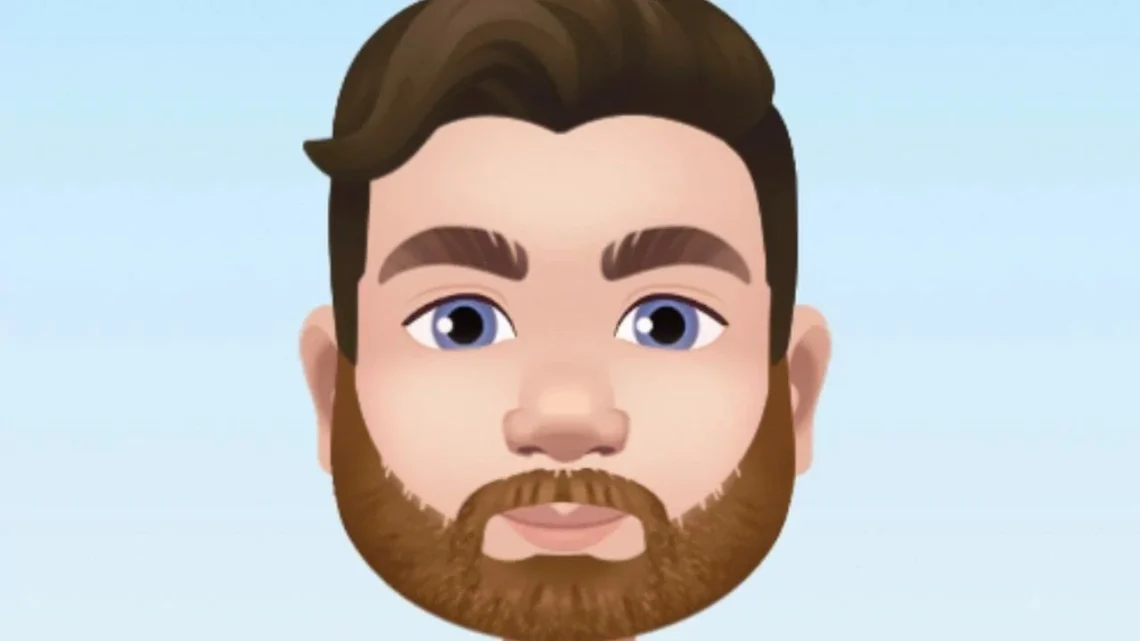
An avatar image is a small digital representation of a person—either a photo or a stylized graphic used in accounts, chats, or game profiles.
Developers typically build avatar-generation modules using:
-
HTML Canvas or SVG for vector drawings.
-
JavaScript libraries like DiceBear, Avataaars, or RoboHash to randomize avatars.
-
AI image APIs that let users design realistic digital portraits from text prompts.
In accessible design, avatars should include alternative text such as alt="User avatar image" so screen readers can describe them properly.
4. Combining Skip Navigation, Search, and Avatar Creation in One Interface
Modern platforms—from social media dashboards to educational portals—blend these three functions seamlessly:
-
Skip navigation ensures users with disabilities can jump directly to important sections.
-
Search tools allow instant discovery of profiles, files, or images.
-
Avatar creation modules personalize the user experience visually.
For example, a learning-management system might load a dashboard where a user:
-
Activates the “Skip Navigation” link to go directly to content.
-
Uses the Search bar to find classmates.
-
Clicks Create1 Avatar Image to customize a profile icon.
When coded correctly, all three features improve usability scores and reduce bounce rates—key factors for Google ranking.
5. SEO and Accessibility Benefits
Implementing these elements correctly benefits both users and search performance:
| Feature | Accessibility Benefit | SEO Impact |
|---|---|---|
| Skip Navigation | Enables keyboard users to bypass repetitive menus. | Reduces bounce rate and improves usability signals. |
| Search Function | Offers quick access to content without complex menus. | Increases engagement and internal link clicks. |
| Avatar Image Creation | Provides personalized, inclusive experiences. | Encourages profile completion and repeat visits. |
Sites that follow WCAG (Web Content Accessibility Guidelines) often perform better in search rankings because Google’s algorithms reward user-centric design.
Therefore, adding skip links, clear search fields, and inclusive avatar tools is both a technical and marketing advantage.
6. How to Implement These Features Step-by-Step
Developers or content managers who want to implement the full “skip navigation search create1 avatar image” structure can follow this workflow:
-
Insert a Skip Link near the top of your HTML document:
Add CSS to hide it visually but make it visible when focused.
-
Add a Search Component with ARIA labels:
-
Integrate Avatar Creation using APIs or libraries:
-
For static avatars, upload and crop images.
-
For generated ones, connect to an AI or avatar API.
-
-
Test Accessibility:
-
Use keyboard navigation (Tab key).
-
Run audits with Lighthouse or WAVE.
-
Ensure alt text and ARIA roles exist.
-
-
Monitor Analytics:
Track click rates on the skip link, search bar usage, and avatar uploads.
These metrics show how well your site supports diverse users and signal quality to search engines.
Conclusion
The combined concept of “Skip Navigation Search Create1 Avatar Image” encapsulates modern web design’s priorities: accessibility, personalization, and discoverability.
By ensuring that navigation shortcuts, intuitive search, and customizable avatars coexist within one interface, developers build platforms that serve every user efficiently—and that naturally perform better in search results.
Whether you’re coding a simple website or a complex social app, start by thinking accessibility first.
That’s the fastest route to a site that welcomes everyone—and ranks higher on Google.