What Is a Puffin Crossing?
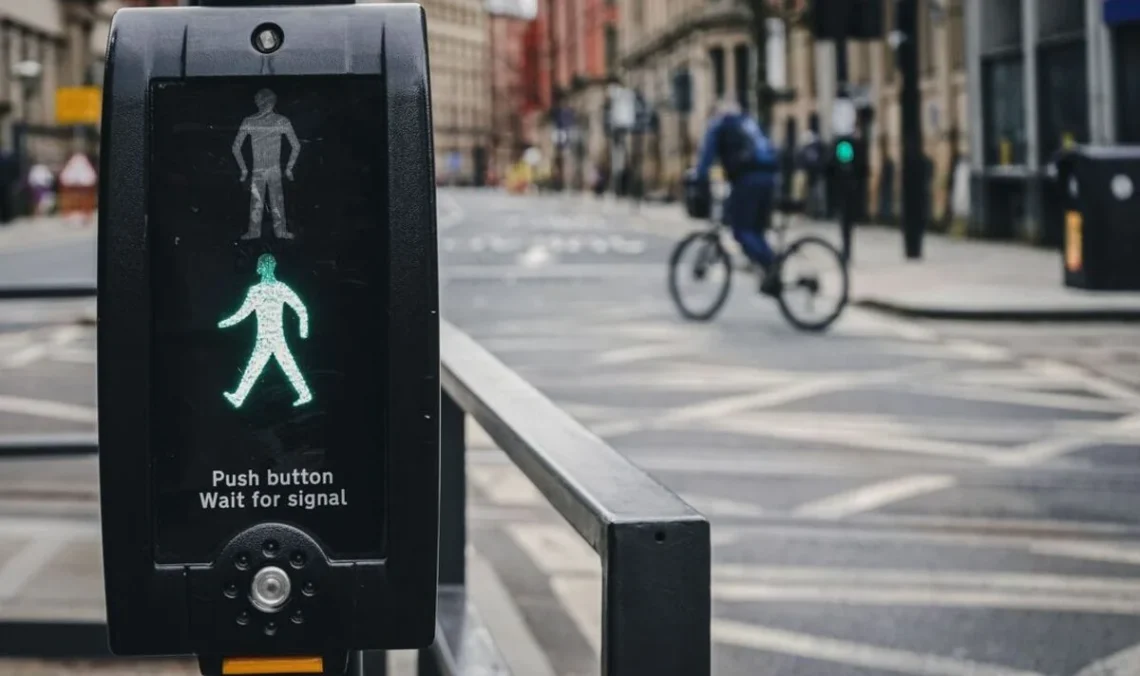
A puffin crossing is a type of pedestrian crossing used in the United Kingdom. The word PUFFIN stands for Pedestrian User-Friendly Intelligent crossing. Unlike older zebra or pelican crossings, puffin crossings use intelligent sensors to detect pedestrians waiting and crossing, allowing the signals to adapt in real time.
At a puffin crossing, pedestrian signals are positioned on the near side of the crossing, rather than across the road. This design helps pedestrians focus on traffic while receiving clear instructions. Puffin crossings are widely used on busy roads because they improve safety, efficiency, and traffic flow.
Which Colour Follows the Green Signal at a Puffin Crossing?
At a puffin crossing, the green signal for traffic is followed by the amber (yellow) signal.
This sequence is the same as standard UK traffic lights:
-
Green – Traffic may proceed
-
Amber – Traffic must stop unless it is unsafe to do so
-
Red – Traffic must stop
So, the correct answer is: Amber follows green at a puffin crossing.
This amber phase acts as a warning signal, giving drivers time to slow down and prepare to stop safely before the red light appears.
Traffic Light Sequence at a Puffin Crossing
The traffic light sequence at a puffin crossing follows a strict and familiar order:
-
Green – Vehicles are allowed to continue driving
-
Amber – Vehicles should stop unless stopping would be unsafe
-
Red – Vehicles must stop completely
-
Red and Amber together – Prepare to move
-
Green – Traffic resumes
This standardized sequence ensures consistency across UK roads, helping drivers instantly recognize what action is required, even when approaching different types of crossings.
What Pedestrians See During the Signal Change
While drivers see green followed by amber, pedestrians experience a different sequence:
-
Red man – Do not cross
-
Green man – Cross the road
-
Green man flashing – Clear the crossing
At puffin crossings, sensors monitor pedestrians, meaning the green man may stay on longer if people are still crossing. This intelligent system improves safety and reduces pressure on slower pedestrians.
Why the Amber Signal Is Important at Puffin Crossings
The amber signal plays a critical role at puffin crossings because it:
-
Warns drivers to prepare to stop
-
Prevents sudden braking
-
Reduces collision risk
-
Allows smoother traffic flow
-
Gives pedestrians time to clear the crossing
Without the amber phase, drivers would move directly from green to red, increasing the likelihood of harsh stops and accidents. The amber light ensures a controlled and predictable transition.
Common Confusion About Puffin Crossing Signals
Many people confuse puffin crossings with pelican crossings, which use a flashing amber for drivers. Puffin crossings do not use a flashing amber signal. Instead, they rely on:
-
Sensors
-
Standard red-amber-green traffic signals
-
Near-side pedestrian displays
This is why understanding that amber follows green at a puffin crossing is important for both drivers and pedestrians, especially in driving theory tests.
Conclusion
At a puffin crossing, the green signal is followed by the amber signal, just like standard UK traffic lights. This sequence helps drivers slow down safely while ensuring pedestrians can cross securely. Puffin crossings combine traditional traffic light logic with modern sensor technology, making them one of the safest pedestrian crossing systems on UK roads.