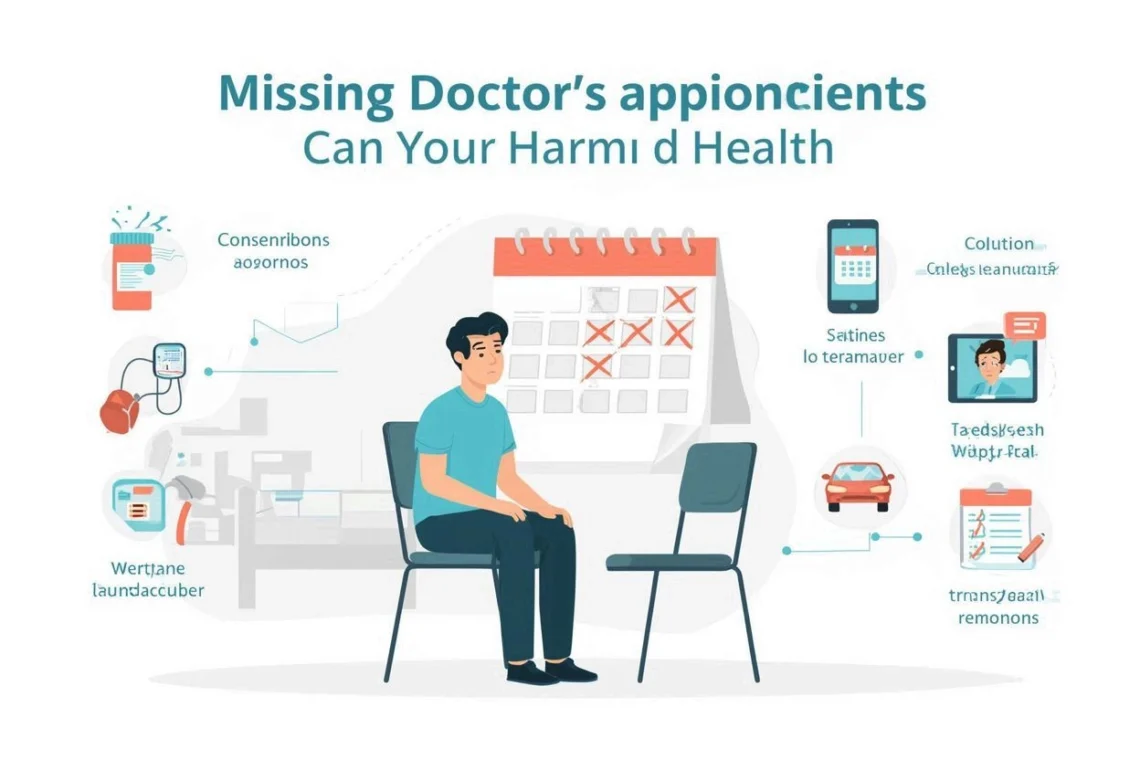
Regular medical appointments form the cornerstone of preventive healthcare, yet millions of people routinely skip or postpone their scheduled visits. This seemingly harmless habit can lead to serious health consequences that extend far beyond the inconvenience of rescheduling. Understanding the risks and implementing practical strategies to maintain appointment consistency can significantly impact your long-term health outcomes.
The Hidden Dangers of Skipped Medical Visits
Delayed Disease Detection
Missing routine check-ups prevents early identification of potential health problems. Many serious conditions, including diabetes, hypertension, and certain cancers, develop silently without obvious symptoms. Regular screenings and examinations catch these issues when treatment options are most effective and less invasive.
Studies show that patients who miss annual physical exams are 40% more likely to receive a late-stage cancer diagnosis compared to those who maintain consistent appointment schedules. This delay can mean the difference between successful treatment and life-threatening complications.
Medication Management Problems
Chronic conditions require ongoing monitoring to ensure medications remain effective and safe. Skipping appointments disrupts this vital oversight process. Blood pressure medications may lose effectiveness over time, diabetes management might become less precise, and potential drug interactions could go unnoticed.
Without regular check-ins, patients often make unauthorized adjustments to their medications or stop taking them entirely when side effects occur. These decisions can lead to serious health setbacks and emergencies that could have been prevented through proper medical supervision.
Worsening of Existing Conditions
Chronic diseases like arthritis, heart disease, and mental health disorders require consistent medical attention to prevent progression. Missing appointments allows these conditions to advance unchecked, often resulting in more severe symptoms and limited treatment options.
For example, diabetic patients who skip regular visits may develop complications affecting their eyes, kidneys, or cardiovascular system. These complications are largely preventable with proper monitoring and timely interventions that occur during routine appointments.
Common Reasons People Skip Doctor Visits
Cost Concerns and Insurance Issues
Financial barriers remain a significant obstacle to consistent healthcare attendance. High deductibles, copayments, and concerns about unexpected medical bills cause many people to postpone necessary medical care. Unfortunately, delaying treatment often leads to more expensive emergency interventions later.
Time Constraints and Scheduling Conflicts
Busy work schedules, family obligations, and long wait times at medical offices contribute to appointment cancellations. Many people view routine check-ups as less important than urgent daily responsibilities, not recognizing the long-term health implications of this prioritization.
Fear and Anxiety
Medical anxiety affects a substantial portion of the population, causing people to avoid appointments even when they recognize their importance. Fear of receiving bad news, undergoing uncomfortable procedures, or confronting health problems leads to avoidance behaviors that ultimately worsen health outcomes.
Practical Strategies to Maintain Appointment Consistency
Use Technology to Your Advantage
Modern healthcare practices increasingly rely on digital tools to improve patient communication and engagement. Many clinics now use patient engagement software that sends automated reminders via text messages, emails, and phone calls. These systems significantly reduce no-show rates by keeping appointments at the forefront of patients’ minds.
Take advantage of these technological solutions by ensuring your healthcare provider has your current contact information and preferred communication methods. Set up automatic calendar reminders on your smartphone and consider using health apps that track your appointment history.
Schedule Strategically
Book your next appointment before leaving your current visit. This approach eliminates the procrastination factor and ensures continuity of care. Choose appointment times that align with your schedule, such as early morning slots if you’re typically busy later in the day.
Consider scheduling multiple appointments on the same day if you see different specialists. This approach minimizes time away from work or other commitments while ensuring you receive comprehensive care.
Prepare for Financial Responsibility
Contact your insurance provider to understand your coverage for routine visits and preventive care. Many insurance plans cover annual physicals and screenings at no cost to patients. Understanding your benefits reduces financial anxiety and eliminates cost-related excuses for skipping appointments.
If cost remains a concern, discuss payment plans or sliding fee scales with your healthcare provider. Many practices offer flexible payment options to help patients maintain consistent care.
Address Anxiety and Fear
Communicate your concerns openly with your healthcare team. Medical professionals are trained to help patients manage anxiety and can explain procedures in advance to reduce fear. Consider bringing a trusted friend or family member to appointments for moral support.
Practice relaxation techniques before appointments and remind yourself that preventive care is an investment in your long-term health and quality of life.
Building Healthy Habits for Long-term Success
Prioritize Your Health
Treat medical appointments with the same importance as work meetings or other essential obligations. Your health affects every aspect of your life, making these visits crucial for maintaining your ability to fulfill other responsibilities.
Create Accountability Systems
Share your appointment schedule with trusted family members or friends who can help remind you and encourage consistency. Consider joining support groups or online communities focused on chronic condition management if applicable.
Track Your Health Progress
Keep records of your health metrics, test results, and how you feel between appointments. This documentation helps you see the value of regular medical care and provides useful information for your healthcare provider.
Conclusion
Maintaining consistent doctor appointments requires intentional effort but provides invaluable returns in health outcomes and quality of life. By understanding the serious consequences of skipped visits and implementing practical strategies to overcome common barriers, you can establish sustainable healthcare habits that serve you throughout your life. Remember that preventive care is always more effective and less costly than treating advanced health problems. Make your health a non-negotiable priority, and your future self will thank you for the commitment to consistent medical care.