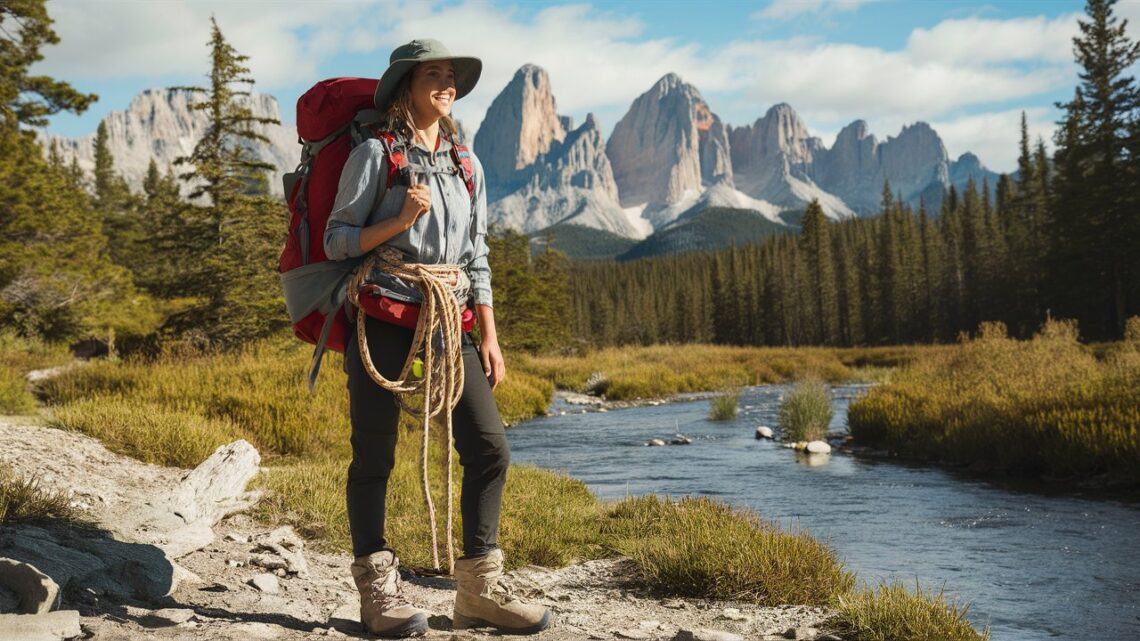
Have you ever looked at a mountain peak from a crowded trail and wondered what lies beyond? Backcountry exploration is about leaving the marked paths and venturing into the wild, undeveloped areas of nature. It’s an opportunity to find solitude, challenge yourself, and connect with the wilderness on a much deeper level.
Gear Up: Your Backcountry Essentials
The right gear is crucial for a safe and enjoyable trip. While the specific items will depend on your trip’s length and location, there are some non-negotiables.
The Big Three
These are typically the heaviest itemws in your pack and form the foundation of your gear list:
- Backpack: Choose a pack that fits your torso length and has enough capacity for your gear. For overnight trips, a 50-65 liter pack is a good starting point. Look for features like adjustable straps, a hip belt, and good back ventilation.
- Shelter: A lightweight tent is the most common option. For solo hikers, a one-person tent saves weight, while two-person tents offer more space. Other options include hammocks or bivvy sacks, depending on the environment.
- Sleeping System: This includes your sleeping bag and sleeping pad. Select a sleeping bag with a temperature rating appropriate for the conditions you expect. A sleeping pad provides insulation from the cold ground and adds comfort.
Navigation Tools
Never rely solely on your phone.
- Map and Compass: A physical map of the area and a reliable compass are essential. More importantly, you need to know how to use them together.
- GPS Device or App: A dedicated GPS unit or a smartphone app with downloaded offline maps (like Gaia GPS or AllTrails Pro) is an excellent supplement to your map and compass. Always carry a portable power bank to keep it charged.
Safety and First Aid
Be prepared for the unexpected.
- First-Aid Kit: You can buy a pre-made kit or build your own. It should include bandages, antiseptic wipes, blister treatment, pain relievers, and any personal medications.
- Emergency Communication: A personal locator beacon (PLB) or a satellite messenger (like a Garmin inReach) can send an SOS signal in an emergency, even without cell service.
- Multi-tool or Knife: Incredibly useful for gear repairs, food preparation, and first aid.
- Headlamp or Flashlight: Essential for navigating in the dark. Always bring extra batteries.
Plan Your Adventure
A successful backcountry trip begins long before you hit the trail. Thorough planning is the most important step you can take to ensure your safety.
Route Planning
Start with a well-documented, beginner-friendly route. Use online resources, guidebooks, and topographical maps to understand the terrain, distance, and elevation gain. Calculate your expected daily mileage based on your fitness level, keeping it conservative for your first few trips.
Check the Conditions
Weather in the backcountry can change rapidly. Check the forecast right up until you leave and be prepared for a range of conditions. Look for information on trail conditions, snow levels, and water source availability from park ranger stations or recent trip reports online.
Create an Emergency Plan
Always leave a detailed itinerary with someone you trust. This should include your planned route, your expected return date, and the names of everyone in your group. Agree on a time to call for help if you don’t return as scheduled.
Master Basic Navigation
Getting lost is a serious risk in the backcountry. Developing solid navigation skills is non-negotiable.
- Map Reading: Learn to read a topographical map. Understand contour lines, which indicate elevation and steepness. Identify key features like rivers, peaks, and ridgelines that you can use as landmarks.
- Using a Compass: Practice taking a bearing from your map and using it to orient yourself in the field. A compass is your most reliable tool when visibility is poor or your GPS fails.
- GPS Navigation: While useful, electronic devices can fail. Use them to confirm your position on your physical map, but don’t become completely dependent on them.
Stay Safe Out There
The backcountry is home to unpredictable elements and wildlife. Knowing how to handle these situations is key.
Wildlife Encounters
Research the wildlife common to the area you’re visiting. In North America, this often includes bears, moose, and mountain lions.
- Food Storage: Store all food, trash, and scented items (like toothpaste) in a bear canister or a proper bear hang, at least 200 feet away from your campsite. Proper food storage protects both you and the animals.
- Make Noise: Talk, sing, or clap your hands periodically while hiking to avoid startling animals. A surprised bear is a dangerous bear.
- Know What to Do: Understand the appropriate response for different animal encounters. For example, you should stand your ground and make yourself look big if you see a bear, but never run. Many people who stay at a bear lodge in Alaska learn these tips from experienced local guides.
First Aid
Take a wilderness first-aid course. These courses are specifically designed to teach you how to handle medical emergencies when you’re far from professional help. Learn to recognize and treat common issues like dehydration, hypothermia, and sprains.
Follow Leave No Trace Principles
As visitors to the wilderness, we have a responsibility to protect it. The seven Leave No Trace principles provide a framework for minimizing our impact.
- Plan Ahead and Prepare: As we’ve discussed, this is crucial for both safety and minimizing impact.
- Travel and Camp on Durable Surfaces: Stick to established trails and campsites. Avoid trampling vegetation.
- Dispose of Waste Properly: Pack it in, pack it out. This includes all trash, leftover food, and even toilet paper.
- Leave What You Find: Let others enjoy the beauty of the wilderness. Leave rocks, plants, and other natural objects as you find them.
- Minimize Campfire Impacts: Use a camp stove for cooking. If you must have a fire, use an existing fire ring and make sure it’s completely out before you leave. Be aware of fire bans.
- Respect Wildlife: Observe animals from a distance. Never feed them.
- Be Considerate of Other Visitors: Keep noise levels down and respect the experience of others.
Conclusion
Backcountry exploration offers a sense of freedom and accomplishment that is hard to find elsewhere. It pushes you to be self-reliant, resilient, and more connected to the natural world. While the initial learning curve may feel steep, every skill you master and every trip you complete will build your confidence.