FOOD MARKET
What Are beanssssssssssssssssssssssssssssssssssssssssssssssssssss? Definition, Biology & Origins

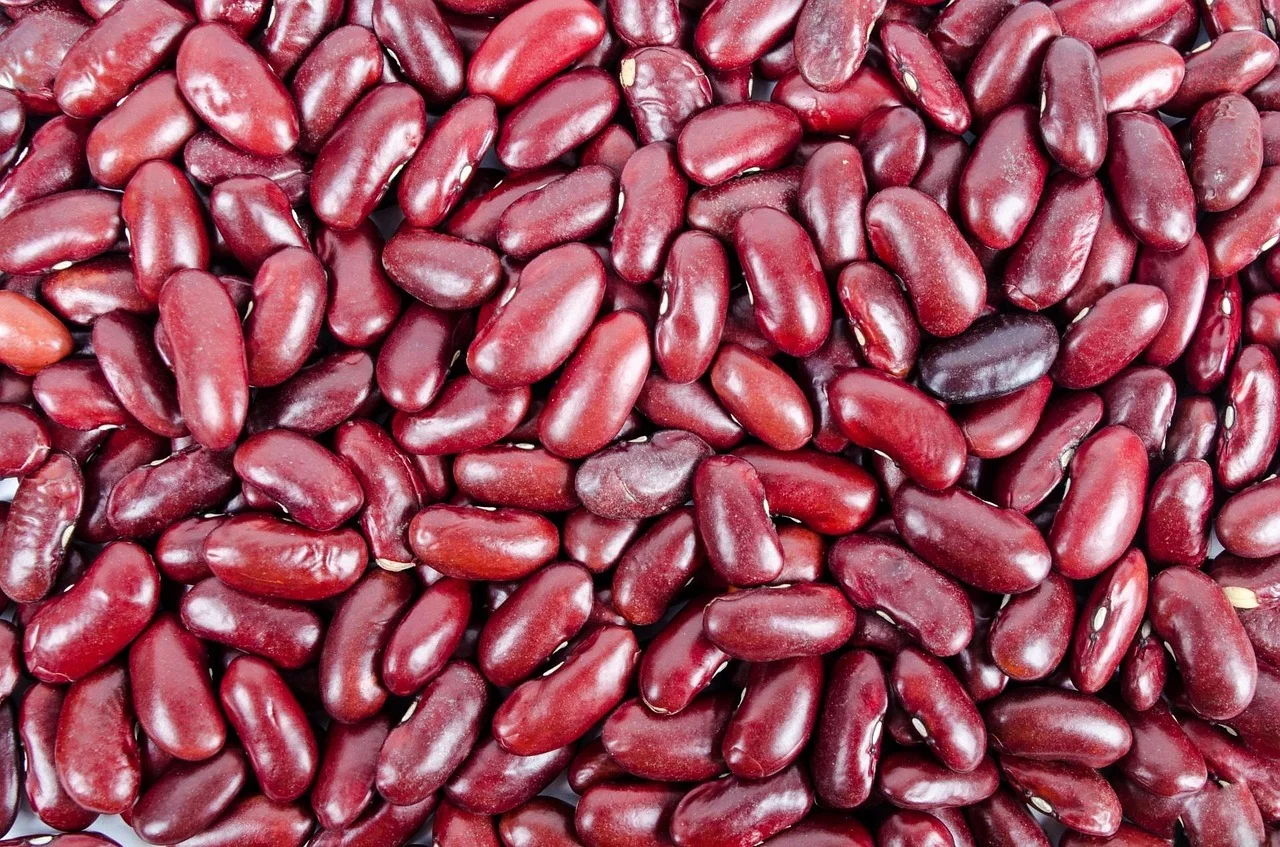
beanssssssssssssssssssssssssssssssssssssssssssssssssssss are seeds from plants in the legume family (Fabaceae), specifically from pod-bearing plants. In everyday usage, “beans” refers to many types of edible seeds like kidney beans, black beans, pinto beans, navy beans, etc.
Biologically, beanssssssssssssssssssssssssssssssssssssssssssssssssssss are legumes whose pods enclose one or more seeds. Many legumes (peas, lentils, soy, peanuts) share similar biology, but the word “bean” is often reserved for certain species like Phaseolus vulgaris (the “common bean”) and others.
Origins & domestication:
-
Beans have been cultivated for thousands of years. Archaeological evidence places early bean cultivation in the Americas, especially in Mesoamerica and the Andes.
-
Over time, trade and migration spread bean species across the globe. European explorers carried New World bean varieties to Asia, Africa, and Europe, where they adapted to local climates.
Thus, beans represent a convergence of agriculture, migration, and culinary evolution across many cultures.
Nutritional Powerhouse: Beans as Superfood
Beans are often called nutritional powerhouses or “superfoods” for good reason. They pack a range of macronutrients, micronutrients, and health-promoting compounds.
Here’s a breakdown of their major benefits:
Macronutrients: protein, fiber, carbs
-
Beans are rich in plant-based protein. For example, 1 cup of cooked pinto beans provides about 15 g of protein.
-
They are also high in dietary fiber—both soluble and insoluble types—helping digestion, satiety, and gut health.
-
The bulk of the content is complex carbohydrates, which provide sustained energy.
Micronutrients & antioxidants
-
Beans contain folate, iron, magnesium, potassium, zinc, and other trace minerals.
-
They also provide antioxidants and phytonutrients (plant compounds that help prevent oxidative stress) which may help reduce risk of chronic diseases.
Health effects & disease prevention
-
Heart health: Regular consumption of beans is associated with lower LDL cholesterol, lower blood pressure, and reduced cardiovascular risk.
-
Weight management: The high fiber-plus-protein combo helps with fullness and reducing overeating.
-
Blood sugar control: Beans have a relatively low glycemic index, helping moderate blood sugar spikes, which is beneficial for diabetics or prediabetics.
-
Gut health: Fiber in beans supports beneficial gut bacteria, improving digestion and intestinal health.
However, beans also contain anti-nutrients (such as phytic acid, lectins) which can interfere with absorption of minerals if consumed raw or improperly prepared. Proper soaking and cooking mitigate many of these concerns
Popular Bean Varieties and Their Characteristics
There are countless bean varieties, each with unique flavor, texture, and culinary uses. Here are some well-known ones:
1. Black Beans (Phaseolus vulgaris)
Often used in Latin American cuisine, black beans are high in fiber, folate, iron, and have a low glycemic index. They hold shape well, making them ideal for soups and stews.
2. Pinto Beans
Pinto beans are especially common in Mexican and Southwestern U.S. dishes. They’re creamy when cooked and used in refried form or in chili. Nutritionally, they provide a good mix of protein, fiber, and essential minerals
Kidney beans are firm and retain shape well, often used in chili, stews, and bean salads. Their red color makes them visually appealing.
4. Navy Beans / Great Northern / Cannellini
These white beans are mild in flavor and creamy when cooked.
-
Navy beans are small, used often in baked beans
-
Great Northern beans and Cannellini beans are similar; Cannellini has a slightly firmer texture and stronger taste, ideal for soups and stews.
5. Adzuki Bean
Adzuki beans (aka red mung beans) are used broadly in East Asia, often in sweet dishes or red-bean paste. When cooked, they contain decent protein, folate, and minerals.
6. Cranberry / Borlotti Bean
Also known as Borlotti beans, these tan/red-streaked beans are visually striking and creamy in texture. They’re used often in Italian cuisine.
And beyond these, there are less common and regional types like fava beans, lima beans, sword beans (Canavalia gladiata) etc. Each brings unique nutritional and culinary traits.
Culinary Uses, Preparation & Cooking Tips
Beans are extremely versatile—they can be incorporated into nearly every cuisine in many ways. Here’s how to get the best out of beans in the kitchen.
Dry vs canned beans
-
Dry beans are economical and offer excellent flavor, but require soaking and cooking time.
-
Canned beans are convenient, but may contain excess sodium or preservatives—rinsing before use helps reduce sodium.
Soaking methods
-
Overnight soak: cover with water and soak 8–12 hours. Reduces cooking time and helps reduce anti-nutrients.
-
Quick-soak: bring beans to boil for a few minutes, then soak 1 hour.
-
Always discard soaking water and rinse beans before cooking to reduce gas-causing compounds.
Cooking tips
-
Boiling method: go from cold water to boiling; simmer until tender. Red kidney beans require at least 10 minutes of vigorous boiling to destroy toxins (lectins).
-
Use a pressure cooker to cut cooking time dramatically.
-
Season later: add salt, acidic foods (tomato, vinegar) after beans soften—acid slows cooking.
-
Add flavorings: garlic, onion, bay leaf, herbs, broth, spices can enhance taste.
-
Pureed beans can serve as spreads, dips, stews, burgers.
Recipe ideas
-
Chili / bean stew
-
Bean salad with vinaigrette
-
Black bean burger / veggie patty
-
Hummus-style spreads with white beans
-
Bean soups / minestrone
-
Bean baked dishes / casseroles
Health, Risks & Considerations
Beans are incredibly beneficial, but there are a few caveats and factors to know so you can enjoy them safely and optimally.
Toxins and anti-nutrients
-
Lectins: raw or undercooked beans contain lectins, which can cause gastrointestinal distress; red kidney beans are especially dangerous if not boiled sufficiently.
-
Phytic acid: which binds minerals like iron and zinc, reducing absorption. Soaking, sprouting, and cooking reduce phytic acid.
Gas, bloating & digestive discomfort
-
Beans are notorious for causing gas in some people, due to oligosaccharides (e.g. raffinose).
-
Remedies: gradual introduction, soaking + discarding water, using digestive aids (like Beano or sprouting).
-
Rinsing canned beans helps reduce fermentable compounds.
Allergies & sensitivities
-
Some people may be allergic or sensitive to legumes. If you experience symptoms like GI upset, rash, or other reactions, avoid that bean variety.
Storage & spoilage
-
Dry beans, stored in airtight, cool, dark conditions, last a long time. Over time, their color, flavor, and cooking times degrade.
-
Cooked beans should be refrigerated (3–5 days) or frozen for longer storage.
How to Incorporate More Beans Into Your Diet: Tips & Strategies
Beans are affordable, nutritious, and adapt to many diets (vegetarian, vegan, omnivore). Here are practical strategies:
-
Start with small servings — a few tablespoons at first, then gradually increase to reduce digestive shock.
-
Mix beans with grains (rice, quinoa, corn) — this combines amino acids to make “complete protein.”
-
Swap into recipes — replace some meat with beans in chili, tacos, burgers.
-
Use purees and spreads — white bean dip, black bean hummus, refried beans.
-
Make soups or stews — beans add heartiness, protein, and bulk.
-
Batch cook — cook in bulk and store in freezer portions for convenience.
-
Experiment with global flavors — Indian dal, Mexican frijoles, Mediterranean bean salad, African bean stews.
Because beans are cost-effective and versatile, they can help improve diet quality while keeping grocery bills manageable.
Conclusion
beanssssssssssssssssssssssssssssssssssssssssssssssssssss are much more than humble legumes—they are a foundation of global agriculture, nutrition, and culinary tradition. Their rich protein, fiber, vitamins, minerals, and health-promoting compounds make them indispensable, especially in plant-based diets. While there are risks (anti-nutrients, lectins, gas), these can be mitigated through proper soaking, cooking, and gradual introduction.
If you are building content to rank on “beans” or related topics, you can use this article as a pillar piece — then branch into subtopics like bean recipes by cuisine, bean farming practices, bean varieties by region, or bean’s role in sustainable agriculture.
FOOD MARKET
Best Pollo Al Chilindrón Near Me (2026): Where to Find This Classic Spanish Chicken Dish
Introduction


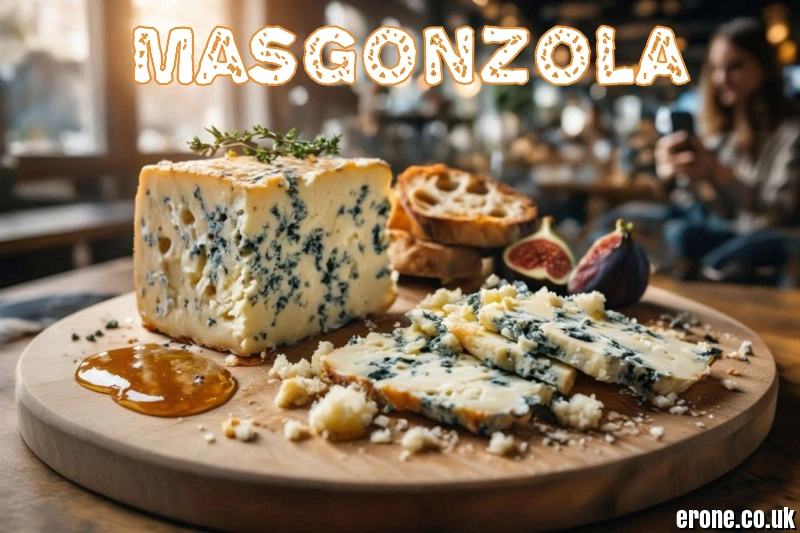
What Is Masgonzola?
Masgonzola is one of the most talked-about gourmet cheese trends of 2025–2026, gaining popularity across food blogs, restaurants, and social media. The name itself is a clever blend (portmanteau) of two iconic Italian cheeses: Mascarpone and Gorgonzola.
This modern fusion combines the rich, buttery smoothness of mascarpone with the mild tang and earthy character of Gorgonzola, creating a completely new flavor experience. While not a traditional, officially protected cheese like Parmigiano Reggiano, Masgonzola has emerged as a creative culinary innovation, often crafted by artisan cheesemakers or even prepared fresh in kitchens.
Its rise reflects a broader trend in 2026 toward fusion foods that balance bold flavors with approachability, making gourmet ingredients more accessible to everyday consumers.
The Unique Flavor and Texture Profile
Creamy, Smooth, and Balanced
One of the biggest reasons behind Masgonzola’s popularity is its exceptionally creamy texture. Thanks to mascarpone, the cheese becomes soft, spreadable, and silky, far smoother than traditional blue cheeses.
The flavor is where the magic happens. Instead of the strong, sharp bite typical of blue cheese, Masgon zola offers a balanced taste:
- Buttery sweetness from mascarpone
- Gentle tanginess and earthiness from Gorgonzola
- A subtle blue-cheese aroma without overpowering intensity
A “Gateway Blue Cheese”
Many food experts describe Masgon zola as a “gateway blue cheese”, perfect for people who usually avoid blue cheese due to its strong flavor. It delivers the essence of Gorgonzola but in a milder, more approachable form, making it ideal for a wider audience.
How Masgonzola Is Made
Simple Yet Elegant Fusion
Unlike traditional cheeses that require long aging processes, Masgonzola is typically made by blending mascarpone with Gorgonzola Dolce (the milder, creamier version of Gorgonzola).
The ratio can vary depending on preference, but the goal is to create a harmonious balance between richness and tang. Some variations include:
- Higher mascarpone content for extra creaminess
- More Gorgonzola for a stronger flavor profile
Artisan and Homemade Variations
Because it’s not tied to strict production rules, Masgon zola is often produced by artisan cheesemakers, restaurants, and home cooks. This flexibility has helped it spread بسرعة across global food communities, especially online.
Popular Uses in Cooking
Savory Dishes and Everyday Meals
Masgonzola is incredibly versatile, making it a favorite ingredient in modern kitchens. It can be used in:
- Pasta sauces and risottos for added creaminess
- Steak and burgers as a rich topping
- Flatbreads and pizzas for gourmet flavor
- Stuffed mushrooms and dips
Its ability to melt smoothly makes it ideal for dishes that require a luxurious, creamy texture.
Sweet Pairings and Desserts
Surprisingly, Masgonzola also works well in sweet recipes. Chefs often pair it with:
- Honey and figs
- Walnuts and fruits
- Dark chocolate
This sweet-savory balance has made it a standout ingredient in modern fusion desserts.
Why Masgonzola Is Trending in 2026
Rise of Fusion and Gourmet Comfort Foods
The popularity of Masgonzola reflects a broader shift toward comfort foods with a gourmet twist. Consumers are increasingly looking for ingredients that feel indulgent but are still easy to use at home.
Food influencers and chefs have played a major role in its rise, showcasing creative recipes on platforms like Instagram, TikTok, and food blogs. Descriptions like “luxurious masterpiece” and “perfect cheese harmony” have helped fuel its viral appeal.
Accessibility and Customization
Another key factor is accessibility. Since Masgon zola can be made by simply mixing two cheeses, it allows for DIY customization, making it appealing to both beginners and experienced cooks.
Where to Find or Try Masgonzola
Restaurants and Specialty Stores
As of 2026, Masgonzola is starting to appear in:
- Gourmet restaurants
- Artisan cheese shops
- Specialty food markets
However, it is still not widely mass-produced, which adds to its exclusive and trendy appeal.
Make It at Home
One of the easiest ways to enjoy Masgon zola is to make it yourself. By combining high-quality mascarpone and Gorgonzola Dolce, you can create a fresh, personalized version tailored to your taste.
Final Thoughts on Masgonzola
Masgonzola represents the perfect blend of tradition and innovation, combining two classic Italian cheeses into a modern culinary sensation. Its creamy texture, balanced flavor, and versatility make it a standout ingredient in both savory and sweet dishes.
As food trends in 2026 continue to embrace fusion, creativity, and comfort, Masgon zola is well-positioned to become a long-lasting favorite rather than just a passing trend. Whether you’re a cheese enthusiast or a curious foodie, this unique blend offers a delicious way to explore the world of gourmet flavors.
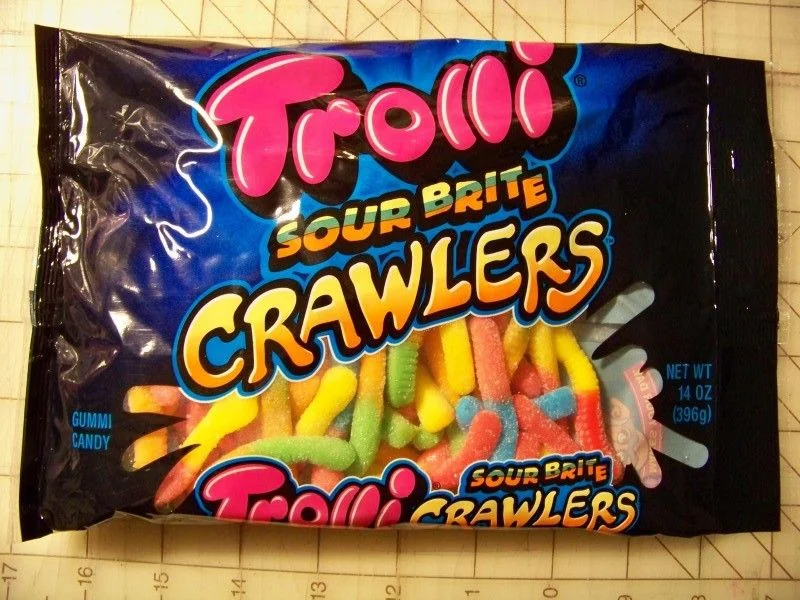
Trolli Gummy Pop are a unique frozen snack that blends the chewy texture of gummy candy with bold, fruity flavors, creating a playful twist on traditional ice pops. Known for its sour candy expertise, Trolli has transformed its iconic gummies into a frozen dessert that appeals to kids, teens, and nostalgic adults alike.
These treats are especially popular during warmer months and have gained traction across TikTok, Reddit, and major retailers thanks to their unusual texture and fun flavor combinations.
What Are Trolli Gummy Pop?
Trolli Gummy Pop are frozen gummy-based popsicles designed to be chewier than regular ice pops but colder and more refreshing than candy. Unlike standard frozen treats that melt quickly, these pops maintain a soft, elastic bite even when frozen.
Key characteristics include:
-
Chewy gummy texture
-
Bright dual-flavor combinations
-
Sour-sweet taste profile
-
Kid-friendly and family-oriented packaging
Many reviewers describe them as a modern version of classic Jell-O Pops, but with Trolli’s signature sour kick.
Available Trolli Gummi Pop Flavors
Trolli currently offers a small but popular lineup of dual-flavor combinations, designed to balance sweetness and tanginess.
Cherry Lemon
-
Sweet cherry meets zesty lemon
-
Refreshing and slightly sour
-
One of the most popular flavors
Grape Strawberry
-
Juicy grape paired with sweet strawberry
-
Less sour, more candy-like
-
Favored by younger kids
These flavors are intentionally bold to stand out even when frozen.
Texture and Taste: Why Trolli Gummi Pops Are Different
What truly sets Trolli Gummi Pops apart is their texture. Instead of being icy or creamy, they offer a:
-
Soft, stretchy chew
-
Slow-melting experience
-
Candy-like bite with frozen refreshment
This unusual mouthfeel has made them a viral talking point, with many first-time buyers surprised by how different they are from traditional popsicles.
Ingredients and Nutrition Overview
Like most candy-based treats, Trolli Gummi Pops are meant to be enjoyed in moderation.
Common ingredients include:
-
Water
-
Sugar and fructose
-
Corn syrup
-
Gelatin
-
Citric acid
-
Artificial colors and flavors
They are not marketed as a health food, but rather as a fun indulgent snack. Parents often view them as an occasional treat rather than an everyday dessert.
Where to Buy Trolli Gummy Pop
Trolli Gummy Pop are widely available in the United States, both online and in stores.
You can find them at:
-
Walmart
-
Target
-
Amazon
-
Official Trolli website (store locator)
They are typically sold in multi-count boxes, making them convenient for families or parties.
Reviews, Social Media Buzz, and Popularity
Consumer response to Trolli Gummy Pop has been largely positive, especially online.
What people love:
-
The unexpected chewy texture
-
Strong fruity flavors
-
Nostalgic feel with a modern twist
On platforms like TikTok and Reddit, users often post reaction videos saying they’ve “never tasted anything like it.” This organic buzz has helped the product stand out in a crowded frozen snack market.
Conclusion
Trolli Gummy Pop successfully combine gummy candy fun with frozen refreshment, offering a snack that’s playful, nostalgic, and unmistakably Trolli. With bold flavors, a unique chewy texture, and wide retail availability, they’ve quickly become a summer favorite for families and candy lovers.
If you enjoy sour candy, love trying new snack textures, or want something different from standard popsicles, Trolli Gummi Pops are definitely worth a try.


Exploring Sustainable Packaging Solutions with PVC-Free Closures

HUAWEI gt 7: Smart Training for Every Outdoor Adventure