Fashion
Julia Martinez Quinceañera Passes Away — What We Know & What to Check


Overview of the Claim
Julia Martinez Quinceañera Passes Away: There are multiple social media posts, including videos and reels, that claim a young woman named Julia Martinez died suddenly during her quinceañera, specifically during a surprise dance with family. These posts include Facebook, Instagram reels, and other sharing of dramatic video with headlines like “Young girl passes away at her quinceañera.”
Key features of the claim:
- The event is described as a surprise dance during the quinceañera.
- The family was apparently present.
- The moment is portrayed as tragic and sudden.
However, as of my search, I did not find corroborating articles from reputable news outlets, local newspapers, or official records confirming the event under those names and description.
What Verified Sources Say (or Don’t Say)
While the claim circulates on social media, searching through obituary databases, funeral home notices, and online verified news sources reveals no matching obituary or verified article for a Julia Martinez who died during a quinceañera under these circumstances. None of the major obituary portals, local news sites, or trusted journalism pages had entries matching the narrative.
Here are some searches & what they showed:
- Several obituaries for people named Julia Martinez, with different ages, places, and causes, but none specifically mentioning a quinceañera or sudden collapse during a dance.
- No credible, time-stamped, verifiable article (with named sources like hospitals, official statements) confirming the story as described in social media.
- Social media posts with dramatic claims, shared widely, but often lacking in details like date, location, official confirmation.
This suggests that the claim is not substantiated in verifiable channels at this time.
Why Claims Like This Spread Quickly
When stories such as “Julia Martinez passed away during her quinceañera” emerge, several dynamics tend to fuel their spread:
Emotional Impact and Sensationalism
Tragic stories at celebratory life moments (like a quinceañera) are deeply emotive and tend to capture attention and spread widely. The sudden contrast between joy and tragedy amplifies virality.
Lack of Verification / Use of Social Media Reels and Videos
Social media platforms allow quick sharing of short, powerful visuals. Videos or reels that look dramatic tend to be accepted by many without checking for authenticity.
Anonymity / Absence of Context
Often these posts do not include verifiable identifiers (exact location, date, hospital, full name with middle name, local news reporting) which makes fact-checking harder and rumors more plausible.
Chain Sharing Without Fact Checking
Posts are reshared, re-posted, often with little additional information, and sometimes the narrative changes slightly with each retelling.
Language / Cultural Contexts
In some communities, stories may be shared orally or via WhatsApp / local platforms before they reach standard media. This can lead to delays in verifiable reporting or amplification of rumors.
What to Look For to Verify Such Claims
To assess whether a claim like this is likely true or false, here are some verification steps:
| What to Check | Why It Matters |
|---|---|
| Local news sources (print, TV, regional websites) | Fatal incidents, especially at public events, are often reported locally. If nothing appears in credible local outlets, that’s a red flag. |
| Obituary / funeral home records | If someone passed away, there will often be formal notices. Matching name, age, place, date help confirm identity. |
| Police / hospital statements | When a death occurs during a public event, often authorities issue statements. Look for municipal or hospital sources. |
| Date, location, recognizable names | Posts that lack these are less reliable. If a post names a town, school, community, date, those help with cross-checking. |
| Media fact-checking sites | Websites dedicated to verifying viral claims may have already addressed the story. |
| Reverse image / video search | Sometimes videos or images are reused from other occasions and mis-attributed. Checking whether the same video has appeared earlier for a different event helps catch mis-use. |
Possible Reasons Why No Verified Source Exists
There are several possible explanations for why the claim has no strong verification yet:
- It’s a rumor or hoax – the story may be entirely fabricated or exaggerated.
- Misinterpretation or misattribution – perhaps someone fainted at a quinceañera and that event is being mis-stated as death.
- Video staged or altered – viral videos sometimes are dramatized or mis-labeled.
- Delay in news reporting – local reporting might be pending, or local language sources might not have been indexed widely.
- Name duplication – “Julia Martinez” is a common name; there may be confusion among different people with that name.
Ethical and Emotional Considerations in Such Cases
When rumors like this circulate, there are ethical and emotional dimensions to consider:
- Impact on family and friends — Spreading unconfirmed claims about someone’s death can be very painful to relatives.
- Misinformation harm — False claims can distract from actual issues, cause undue grief, or even generate harassment toward misidentified people.
- Responsibility of sharers — Before sharing, it’s important to check whether a claim is verified. Eyewitnesses, original sources, or official confirmations.
- Role of platforms — Social media platforms have increasing responsibility to curb misinformation, label unverified claims, and promote trustworthy sources.
What This Means & What To Do if You Witness Such a Claim
If you encounter posts saying “Julia Martinez passed away during her quinceañera”, here are steps to take:
- Pause before sharing — Don’t repost unless you can find corroborating evidence.
- Search local media — Look up newspapers or websites for the location mentioned in the post. Use search terms like “Julia Martinez quinceañera death + [city]” etc.
- Check fact-checking websites — Some organizations collect viral claims and investigate them.
- Seek reliable sources — Hospital statements, police, funeral homes, local government are more reliable than anonymous social media.
- Consider contacting family or community members if you are in that locality and can do so respectfully, to confirm.
Conclusion
At present, the claim that “Julia Martinez passed away at her quinceañera while dancing” remains unverified — no credible news report or official source confirms it. Social media posts and videos are circulating, but they lack essential confirming details.
Until more substantial evidence emerges (such as local news reporting, official statements, or an obituary matching those facts), it’s most responsible to treat this as a rumor. If you or others come across more specific or trustworthy sources (city, date, hospital, etc.), those would be critical for confirming or refuting the story.
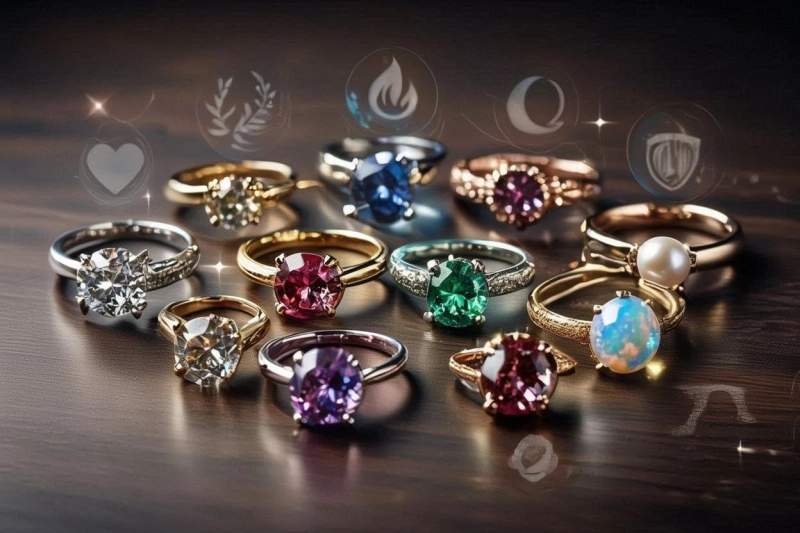
For thousands of years, people have worn gemstone rings not just for their beauty, but for their deeper symbolic meanings. Different stones have represented love, power, healing, and protection across various cultures and eras. Understanding the history and attributes of each gem can turn a piece of jewelry into a personal talisman.
A Brief History of Gemstones and Life Milestones
The tradition of gifting specific gemstones to mark important life events dates back centuries. Ancient civilizations believed that precious stones held magical properties. The Egyptians buried their royals with lapis lazuli to guide them into the afterlife, while ancient Greeks wore amethysts to maintain a clear mind.
During the Middle Ages and the Renaissance, the wealthy began using specific gems to commemorate betrothals and marriages. The concept of birthstones also emerged from the biblical breastplate of Aaron, which featured twelve distinct stones representing the twelve tribes of Israel. Eventually, these stones were linked to the twelve signs of the zodiac and the twelve months of the year.
Today, this rich history continues to influence how we celebrate major milestones. Anniversaries, birthdays, and engagements are frequently marked by the exchange of fine jewelry. The stone chosen for the occasion often speaks volumes about the giver’s intentions and the recipient’s personality.
Diamonds: The Ultimate Symbol of Eternal Love
The diamond is the hardest naturally occurring substance on Earth. Because of this incredible durability, it has long been associated with strength, invincibility, and enduring love. The word itself comes from the Greek term “adamas,” meaning unconquerable.
For decades, diamonds have been the standard choice for engagement rings. They represent a bond that cannot be broken. A diamond’s clear, brilliant sparkle also signifies purity and clarity of purpose. When someone gives a diamond, they are communicating a promise of forever.
While clear diamonds are the most traditional, colored diamonds offer their own unique meanings. Yellow diamonds symbolize joy and friendship, while rare pink diamonds are deeply connected to romance and creativity.
Sapphires and Rubies: Loyalty, Passion, and Nobility
Sapphires and rubies actually come from the same mineral family, known as corundum. Their distinct colors come from different trace elements present during their formation, and they carry very different, yet equally powerful, symbolic meanings.
Sapphires
Historically, the deep blue sapphire has been favored by royalty. It represents nobility, truth, sincerity, and faithfulness. Because of its strong association with loyalty, it remains a highly popular choice for romantic commitments. Wearing a sapphire is thought to bring peace of mind and protect the wearer from negative energy.
Rubies
The fiery red ruby commands attention. Throughout history, rubies have represented passion, protection, and wealth. Ancient warriors even wore rubies into battle for protection and courage. In the context of romantic relationships, a ruby ring expresses a deep, burning love and a strong desire to protect the partnership.
Emeralds and Aquamarines: Rebirth and Tranquility
Like sapphires and rubies, emeralds and aquamarines belong to the same mineral family, called beryl. These stones are celebrated for their stunning hues and their connections to nature.
Emeralds
The lush green of an emerald immediately brings to mind the arrival of spring. Consequently, emeralds represent rebirth, growth, and renewal. They are also thought to grant the wearer foresight, good fortune, and youth. Gifting an emerald ring is a beautiful way to celebrate a new chapter in life or a renewed commitment to a partner.
Aquamarines
Aquamarines feature a pale, icy blue color that perfectly mirrors the ocean. The name translates directly to “water of the sea.” Sailors once carried these stones to guarantee a safe voyage. Today, aquamarines symbolize tranquility, clarity, and harmony. They are an excellent choice for individuals who value peace and clear communication in their relationships.
Finding Unique Engagement Rings for Women
Many modern brides are moving away from traditional diamond solitaires. They want jewelry that reflects their distinct personality and individual journey. Searching for unique engagement rings for women often leads couples to explore alternative gemstones with specific symbolic weights.
Incorporating a birthstone into an engagement ring is a wonderful way to add a highly personal touch. For example, setting a vibrant purple amethyst for a February birthday alongside smaller accent diamonds creates a stunning visual contrast. It also honors the bride’s personal history. Mixing different stones can create a colorful, meaningful piece of jewelry that stands out from the crowd.
The Rise of Semi-Precious Stones
In recent years, several semi-precious stones have surged in popularity. These gems offer gorgeous colors, fascinating optical effects, and unique meanings that resonate with modern jewelry buyers. They are frequently used in custom wedding rings by designers looking to offer something fresh and unexpected.
Morganite
Morganite is a pink to peach-colored beryl that has become incredibly popular for romantic jewelry. Its soft, warm tone is highly flattering on many skin tones. Symbolically, morganite represents divine love, compassion, and emotional healing. It is an ideal stone for couples who prioritize tenderness and empathy in their relationship.
Opal
Opals are truly mesmerizing. They feature a unique phenomenon called “play-of-color,” where flashes of rainbow hues dance across the surface of the stone as it moves. Opals symbolize hope, purity, and truth. Because no two opals look exactly alike, they are perfect for celebrating a completely unique, one-of-a-kind love story.
Tanzanite
Tanzanite is a relatively recent discovery in the gemstone world, found only in a small region of Tanzania. It exhibits a striking violet-blue color. This rare stone is associated with spiritual exploration, transformation, and elevated consciousness. It is a fantastic choice for those who view their relationship as a journey of mutual growth and profound change.
Conclusion
Choosing the right gemstone requires balancing aesthetic preferences with personal significance. Consider what values are most important to you or the person receiving the ring. Do you want to emphasize loyalty with a sapphire, passion with a ruby, or peace with an aquamarine?

Guide De Camping Conseils De Skincare Musique Classique Stylisme Professionnel: Dans un monde où les passions et les styles de vie se mélangent, il devient courant de s’intéresser à plusieurs domaines à la fois. Que vous soyez amateur de camping en pleine nature, passionné de skincare et de soins de la peau, amoureux de musique classique ou intéressé par le stylisme professionnel, chacun de ces univers apporte des bénéfices uniques au quotidien.
En 2026, ces quatre domaines connaissent une popularité croissante grâce aux réseaux sociaux, aux tendances lifestyle et au besoin de mieux vivre. Ce guide complet explore ces sujets afin de vous donner des conseils pratiques, tendances et stratégies utiles pour améliorer votre style de vie.
Guide de Camping : Les Bases pour une Expérience Réussie
Le camping reste l’une des activités de plein air les plus populaires au monde. Selon plusieurs études du secteur du tourisme, le nombre de campeurs continue d’augmenter chaque année, notamment grâce au désir de se reconnecter à la nature et de réduire le stress quotidien.
Pour réussir votre aventure, il est essentiel de bien se préparer. Un bon guide de camping commence toujours par la planification. Choisir le bon emplacement, vérifier les conditions météorologiques et préparer son équipement sont des étapes cruciales.
Parmi les équipements indispensables, on retrouve généralement :
-
Une tente résistante aux intempéries
-
Un sac de couchage adapté à la saison
-
Un réchaud portable
-
Une lampe frontale ou lampe LED
-
Un kit de premiers secours
Le camping moderne en 2026 inclut aussi des équipements technologiques comme des panneaux solaires portables et des batteries externes pour smartphones. Ces outils permettent de profiter de la nature tout en restant connecté si nécessaire.
Conseils pour un Camping Sécurisé
La sécurité reste un élément clé pour toute aventure en plein air. Informez toujours quelqu’un de votre itinéraire et évitez de camper dans des zones dangereuses ou isolées sans préparation.
Il est également recommandé de respecter la règle “Leave No Trace”, qui consiste à préserver l’environnement en laissant l’endroit aussi propre que possible.
Conseils de Skincare : Prendre Soin de sa Peau au Quotidien
Les soins de la peau (skincare) sont devenus un pilier important du bien-être et de la beauté moderne. Avec l’essor des routines inspirées de la K-Beauty et de la dermatologie moderne, de plus en plus de personnes adoptent une routine adaptée à leur type de peau.
Une bonne routine skincare repose sur quelques étapes fondamentales :
-
Nettoyage du visage pour éliminer les impuretés
-
Utilisation de sérums ciblés
Les dermatologues insistent particulièrement sur l’importance de la protection solaire SPF 30 ou plus, qui reste la méthode la plus efficace pour prévenir le vieillissement prématuré de la peau.
Ingrédients Skincare Populaires en 2026
Certains ingrédients dominent actuellement le marché des soins :
-
Acide hyaluronique pour l’hydratation
-
Rétinol pour l’anti-âge
-
Vitamine C pour l’éclat de la peau
-
Niacinamide pour réduire les imperfections
Adopter une routine régulière permet d’améliorer la texture, l’élasticité et la santé globale de la peau.
Musique Classique : Un Univers Intemporel
La musique classique continue de fasciner les auditeurs malgré l’évolution des styles musicaux modernes. Des compositeurs comme Mozart, Beethoven, Bach et Tchaïkovski restent parmi les plus écoutés dans le monde.
Contrairement aux idées reçues, la musique classique n’est pas réservée à une élite. Elle est aujourd’hui accessible via des plateformes de streaming comme Spotify, Apple Music ou YouTube.
Bienfaits de la Musique Classique
De nombreuses recherches scientifiques montrent que la musique classique peut :
-
Réduire le stress et l’anxiété
-
Améliorer la concentration
-
Stimuler la créativité
-
Favoriser la relaxation
Certaines études parlent même de l’“effet Mozart”, suggérant que certaines compositions peuvent aider à améliorer les performances cognitives.
Pour les débutants, commencer avec des œuvres populaires comme Les Quatre Saisons de Vivaldi ou La Symphonie n°9 de Beethoven peut être une excellente introduction.
Stylisme Professionnel : L’Art de Créer un Style Unique
Le stylisme professionnel est bien plus qu’un simple choix de vêtements. Il s’agit d’une discipline qui combine mode, esthétique et identité personnelle afin de créer une image forte.
Les stylistes professionnels travaillent souvent dans différents domaines :
-
Mode et défilés
-
Cinéma et télévision
-
Photographie et publicité
-
Conseil en image
En 2026, les stylistes doivent également maîtriser les tendances digitales, car les réseaux sociaux influencent énormément les styles vestimentaires.
Compétences Essentielles pour Devenir Styliste
Pour réussir dans ce domaine, plusieurs compétences sont indispensables :
-
Créativité et sens artistique
-
Connaissance des tendances mode
-
Compréhension des tissus et coupes
-
Capacité à travailler avec des clients
Les stylistes doivent aussi comprendre comment adapter un style à différentes morphologies afin de mettre en valeur chaque personne.
Comment Combiner Lifestyle, Beauté et Culture
Il peut sembler surprenant de combiner camping, skincare, musique classique et stylisme, mais ces domaines partagent un objectif commun : améliorer la qualité de vie.
Imaginez un week-end parfait : une escapade en camping, une routine de soins de la peau minimaliste, un moment de détente avec de la musique classique en fond sonore, et un style vestimentaire pratique mais élégant.
Cette combinaison reflète une tendance lifestyle actuelle : vivre de manière équilibrée tout en cultivant ses passions.
Pourquoi Ces Tendances Lifestyle Dominent en 2026
En 2026, les gens recherchent davantage un mode de vie équilibré entre nature, bien-être, culture et style personnel. Le camping offre une pause loin du numérique, la skincare améliore la confiance en soi, la musique classique stimule l’esprit et le stylisme permet d’exprimer sa personnalité.
Ces tendances montrent que le bien-être moderne ne repose pas sur un seul élément, mais sur une combinaison d’expériences enrichissantes. En explorant ces domaines, chacun peut créer un mode de vie qui correspond à ses valeurs et à ses passions.
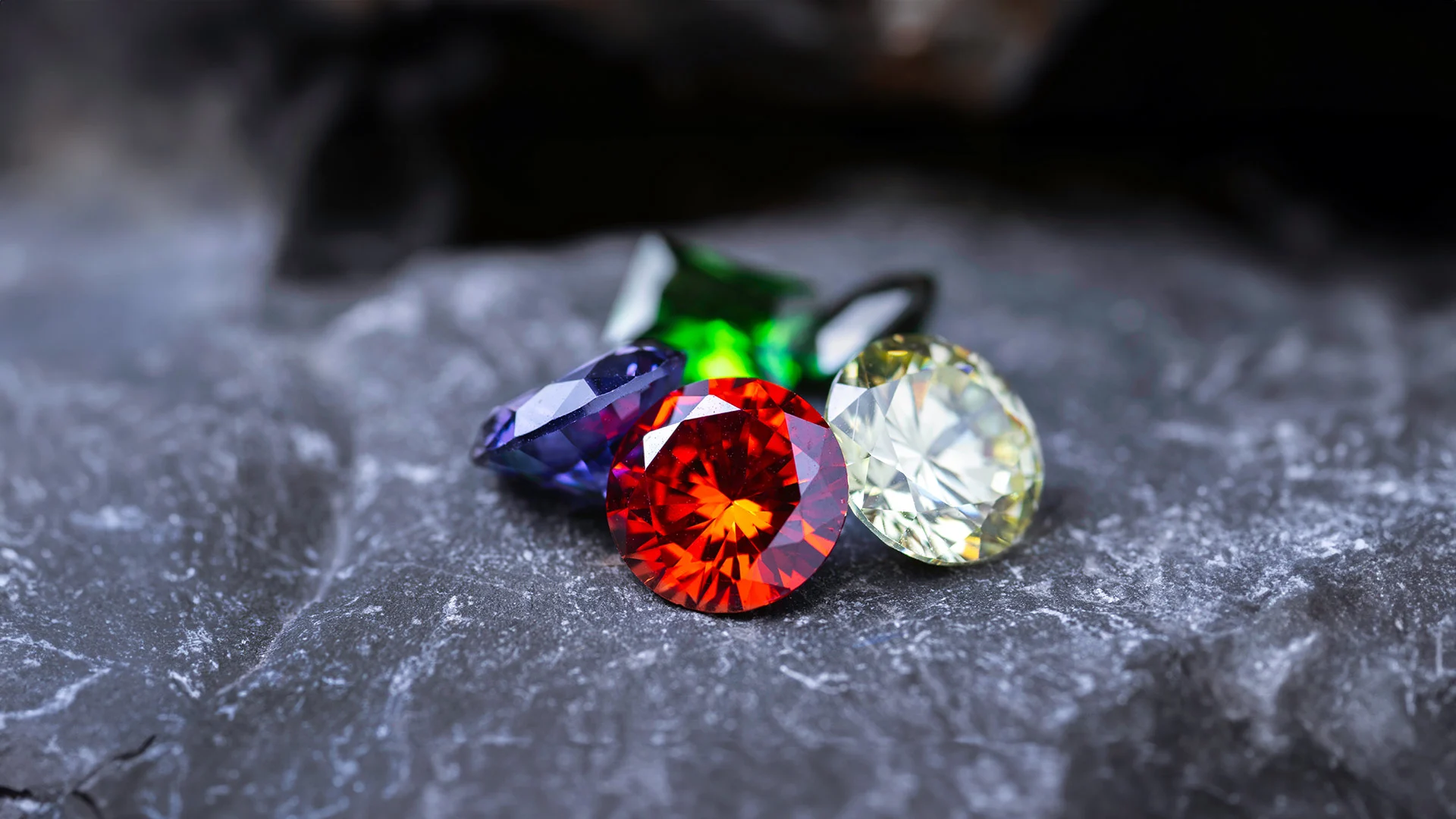
Gemstones have long been symbols of cultural and spiritual significance, serving as messengers of protection, love, wisdom, and prosperity across societies. From ancient amulets to modern jewelry, their meanings transcend monetary value, reflecting a rich blend of beliefs, traditions, and history.
Ancient Civilizations and Their Sacred Stones
Egyptian Beliefs and Burial Practices
Ancient Egyptians viewed gemstones as bridges between the earthly and divine realms. Lapis lazuli, with its deep blue color flecked with gold, represented the night sky and was sacred to the gods. Pharaohs wore elaborate lapis lazuli jewelry not merely for decoration, but as spiritual armor for their journey into the afterlife.
Turquoise held equally powerful significance, symbolizing protection and regeneration. Egyptian artisans crafted intricate turquoise amulets shaped like scarab beetles, believing these pieces would grant the wearer eternal life. The famous burial mask of Tutankhamun showcases this reverence, featuring bands of turquoise alongside gold and other precious materials.
Carnelian represented courage and vitality in Egyptian culture. Warriors carried carnelian talismans into battle, trusting the stone’s fiery orange-red hues to grant them strength and fearlessness. This tradition influenced neighboring civilizations and continues to resonate in modern crystal healing practices.
Greek and Roman Traditions
The ancient Greeks attributed specific powers to different gemstones, often connecting them to their pantheon of gods. Amethyst, derived from the Greek word “amethystos” meaning “not drunk,” was believed to prevent intoxication and maintain clear thinking. Greek nobles wore amethyst rings and goblets to stay sharp during important negotiations and festivities.
Romans adopted many Greek beliefs while adding their own interpretations. They associated emeralds with Venus, the goddess of love, believing these green gems could strengthen romantic relationships and ensure fidelity. Roman soldiers carried hematite amulets, trusting the iron-rich stone’s metallic luster to provide protection in battle.
Eastern Philosophies and Gemstone Wisdom
Indian Ayurvedic Traditions
Indian culture developed one of the most sophisticated systems of gemstone symbolism, integrating stones into Ayurvedic medicine and Hindu spiritual practices. The ancient text Garuda Purana describes nine primary gems called “Navaratna,” each corresponding to celestial bodies and possessing specific healing properties.
Ruby, known as “Manikya” in Sanskrit, represents the sun and symbolizes power, leadership, and vitality. Traditional Indian jewelry often features rubies as centerpieces, particularly in pieces worn by rulers and spiritual leaders. The stone’s deep red color connects it to the life force itself.
Sapphires correspond to Saturn and represent discipline, wisdom, and spiritual enlightenment. Blue sapphires specifically symbolize divine favor and protection from negative influences. Many Indian families pass down sapphire jewelry through generations, believing it carries accumulated blessings.
Emeralds relate to Mercury and symbolize intelligence, communication, and growth. Indian merchants traditionally wore emerald rings, trusting the stone to bring success in business ventures and enhance their ability to negotiate favorable deals.
Chinese Cultural Perspectives
Chinese culture views jade as the supreme gemstone, surpassing even diamonds in cultural importance. For over 7,000 years, jade has symbolized purity, wisdom, and immortality in Chinese society. The phrase “better to die for jade than live for gold” illustrates jade’s elevated status.
Different jade colors carry distinct meanings within Chinese tradition. White jade represents purity and spiritual transformation. Green jade symbolizes harmony and balance, often given as wedding gifts to ensure marital happiness. Yellow jade connects to prosperity and imperial power, historically reserved for emperors and high-ranking officials.
Beyond jade, Chinese culture assigns significance to other stones. Coral represents longevity and protection from evil spirits, while pearls symbolize wisdom gained through experience and adversity, much like the irritant that creates them within oysters.
Native American and Indigenous Beliefs
North American Tribal Traditions
Native American tribes developed distinct relationships with gemstones found in their territories. Turquoise holds universal significance across many tribes, representing protection, healing, and connection to the sky. Navajo, Hopi, and Pueblo peoples crafted elaborate turquoise jewelry for ceremonial purposes and daily wear.
The Lakota people consider black obsidian sacred, using it for both practical tools and spiritual ceremonies. They believe obsidian’s sharp edges can cut through negative energy and provide clarity during vision quests and healing rituals.
Many southwestern tribes view coral as a connector between earth and water energies. Coral beads often appear in traditional kids’ bracelets and other jewelry worn during coming-of-age ceremonies, symbolizing the child’s growing connection to nature and tribal wisdom.
Central and South American Perspectives
Mayan civilization revered jade above all other materials, considering it more valuable than gold. Mayan royalty wore jade masks and jewelry during important ceremonies, believing the stone connected them to the gods and ensured their divine right to rule.
The Incas associated emeralds with fertility and rebirth, often placing emerald jewelry in agricultural ceremonies to ensure good harvests. They mined emeralds from what is now Colombia, creating a trade network that spread these green gems throughout South America.
Modern Cultural Interpretations
Contemporary Western Symbolism
Modern Western culture has inherited and adapted many traditional gemstone meanings while developing new associations. Diamonds became synonymous with eternal love through 20th-century marketing, though historically they were valued more for their durability and brilliance than romantic symbolism.
Birthstones represent a modern fusion of ancient beliefs with contemporary jewelry marketing. Each month’s designated stone carries traditional meanings while serving as personal talismans for individuals born during that period.
The New Age movement has revitalized interest in gemstone symbolism, blending traditional beliefs with modern spiritual practices. Crystal healing workshops and metaphysical shops have made gemstone symbolism accessible to new generations seeking alternative forms of wellness and spiritual connection.
Cross-Cultural Exchange and Globalization
Globalization has created fascinating fusions of gemstone traditions. Eastern meditation practices now incorporate Western-discovered stones, while traditional Western jewelry increasingly features stones significant in Eastern cultures.
This cultural exchange has enriched our understanding of gemstone symbolism while sometimes diluting original meanings. Modern jewelry designers draw inspiration from multiple traditions, creating pieces that speak to global audiences while honoring specific cultural origins.
Conclusion
Gemstones have long held symbolic meaning, linking cultures to their beliefs and traditions. Understanding their origins adds depth to jewelry, turning it into a connection to history and heritage. By respecting these traditions, we honor the past and create meaningful connections with these treasures.


HUAWEI gt 7: Smart Training for Every Outdoor Adventure

The Tech in Your Home is More Advanced Than You Think – Does It Truly Preserve Your Valuables?