Pets
Rodwajlery: Everything You Need to Know About This Loyal and Powerful Dog Breed

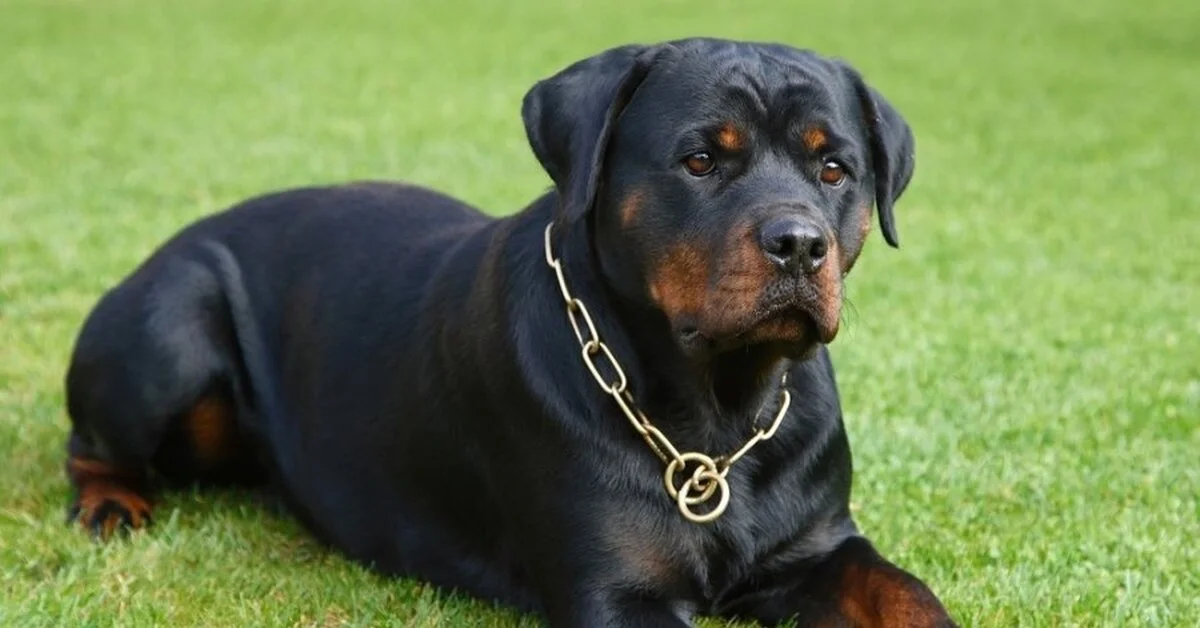
Rodwajlery (commonly known as Rottweilers) are among the most recognized dog breeds in the world. With their muscular build, intelligence, and loyalty, they are admired both as family companions and working dogs. But their reputation is sometimes misunderstood—while some people view them as aggressive, experienced owners know that with proper training and socialization, Rottweilers are affectionate, protective, and dependable pets.
In this article, we’ll explore the origins, temperament, health, and care of rodwajlery, providing all the information you need if you’re considering welcoming one into your life.
1. History and Origins of Rodwajlery
The Rottweiler’s history dates back to the time of the Roman Empire, where they were used as drover dogs to herd cattle and guard livestock. As Roman legions traveled across Europe, they brought these powerful canines with them. Eventually, the breed became closely associated with the German town of Rottweil, where they were used by butchers to guard money purses tied around their necks—earning the nickname “Rottweiler Metzgerhund” or butcher’s dog of Rottweil.
Key historical facts about rodwajlery:
-
Origin: Roman herding dogs mixed with local breeds in southern Germany.
-
Purpose: Herding, guarding, and later pulling carts for farmers and merchants.
-
Recognition: Officially recognized by kennel clubs in the late 19th and early 20th centuries.
Today, Rottweilers are known worldwide, not only for their working roles in police, military, and rescue services, but also as loyal family protectors.
2. Physical Characteristics of Rodwajlery
Rodwajlery are medium-to-large sized dogs with an imposing yet elegant appearance. They are built for strength and endurance, which explains their long history of performing demanding physical tasks.
Typical characteristics include:
-
Height: 56–69 cm (22–27 inches) at the shoulder.
-
Weight: 35–60 kg (77–132 pounds), depending on sex and build.
-
Body: Muscular, broad chest, strong legs.
-
Head: Broad skull with a well-developed muzzle.
-
Coat: Short, dense, and straight, always black with distinct rust markings above the eyes, muzzle, chest, and legs.
-
Eyes & Expression: Dark brown, almond-shaped, conveying intelligence and confidence.
Their impressive physique and alert demeanor make them look intimidating, but owners know that these dogs often have a gentle and affectionate side, especially toward family members.
3. Temperament and Personality of Rodwajlery
Rodwajlery are often misunderstood because of their powerful appearance. In reality, their temperament can be described as:
-
Loyal and Protective – They naturally bond strongly with their families and will act as guardians if they sense danger.
-
Calm and Confident – A well-trained rodwajler is typically balanced, steady, and fearless without unnecessary aggression.
-
Intelligent and Trainable – They are quick learners, often excelling in obedience training and advanced tasks.
-
Affectionate – Despite their tough look, they enjoy spending time with their human family, including children (with supervision).
However, rodwajlery require early socialization and consistent training. Without proper guidance, their natural protective instincts can turn into unwanted aggression. They thrive with experienced dog owners who know how to establish leadership without harshness.
When raised correctly, rodwajlery are gentle giants—affectionate at home, yet formidable protectors when needed.
4. Health and Common Issues in Rodwajlery
Like many purebred dogs, rodwajlery are prone to certain health issues that potential owners should be aware of. Responsible breeding and regular vet checkups are essential for maintaining their health.
Common health concerns include:
-
Hip and Elbow Dysplasia – Common in large breeds, causing joint pain and mobility problems.
-
Heart Problems – Such as aortic stenosis.
-
Obesity – Rottweilers have a tendency to gain weight if not properly exercised.
-
Cancer – Sadly, they are among the breeds with a higher cancer risk.
-
Bloat (Gastric Torsion) – A serious and potentially fatal condition if not treated quickly.
Life expectancy of rodwajlery is typically 8–10 years, though some can live longer with good care.
To ensure a healthy life:
-
Provide a balanced diet with high-quality protein.
-
Maintain regular exercise routines.
-
Schedule routine veterinary check-ups.
-
Avoid overbreeding—choose puppies from reputable breeders who perform genetic testing.
5. Training and Care for Rodwajlery
Rodwajlery are highly intelligent and active, which makes them both rewarding and challenging to train.
Training Tips:
- Start early socialization from puppyhood—introduce them to different people, animals, and environments.
- Use positive reinforcement methods such as treats, praise, and play.
- Be consistent and firm, but never harsh—Rottweilers respect confident leadership.
- Engage their mind and body with advanced training, agility, or working tasks.
Care Essentials:
- Exercise: At least 1–2 hours of daily activity (walking, running, playing fetch).
- Diet: Balanced meals with enough protein to support their muscular build.
- Grooming: Minimal, since their short coat only requires occasional brushing.
- Companionship: They don’t thrive in isolation—rodwajlery need to be part of the family.
With proper training and care, these dogs become obedient, well-mannered, and loving companions.
6. Rodwajlery as Family Dogs – Myths vs. Reality
Many people mistakenly believe rodwajlery are dangerous and aggressive. While it’s true that they are powerful dogs with strong protective instincts, their behavior depends largely on training, upbringing, and socialization.
Myths vs. Reality:
Myth: Rottweilers are naturally aggressive.
Reality: They are naturally protective but not aggressive when trained properly.
Myth: Rodwajlery can’t live with children.
Reality: Many families report that their Rottweilers are gentle and playful with kids, as long as children are taught respect.
Myth: They are only good as guard dogs.
Reality: They excel as family pets, therapy dogs, search-and-rescue dogs, and service animals.
Ultimately, rodwajlery are loyal companions that thrive in a loving environment. Owners who invest time in training, exercise, and bonding often discover that their rodwajler becomes not just a pet, but a lifelong best friend and guardian.
Conclusion
Rodwajlery are a breed that combines strength, intelligence, and affection. Their history as working dogs shows their versatility, while their loyalty makes them wonderful family protectors. With proper training, socialization, and care, a rodwajler can be one of the most loving and dependable dogs you will ever meet.
For those ready to commit to the responsibilities, rodwajlery offer a unique blend of companionship and protection that few breeds can match.
Taking your pet into the great outdoors can be a rewarding experience for both of you. It offers new sights, sounds, and smells for your companion while strengthening your bond. However, a successful adventure requires careful preparation. Ensuring your pet is ready for the journey is key to a safe and enjoyable trip, whether you’re planning a simple day hike or a more ambitious excursion.
Assessing Your Pet’s Fitness and Temperament
Before planning any trip, it’s essential to evaluate your pet’s physical capabilities and personality thoroughly. Not all animals are suited for every type of outdoor activity.
Physical Health and Stamina
Consider your pet’s age, breed, and overall health. A young, energetic dog might be ready for a long hike, while a senior pet may prefer a shorter, more leisurely walk. Brachycephalic (short-nosed) breeds can have difficulty breathing during strenuous exercise, especially in warm weather. A check-up with a veterinarian is a great first step. A vet can confirm if your pet is healthy enough for adventure and ensure they are up-to-date on vaccinations and flea and tick prevention.
Start with small outings and gradually increase the duration and difficulty. This helps build your pet’s stamina and allows you to gauge their endurance levels, preventing overexertion on a longer trip.
Behavioral Readiness
Think about your pet’s temperament. Are they comfortable with new environments, strange noises, and encountering other people or animals? A well-socialized pet is more likely to have a positive experience. Practice basic obedience commands like “come,” “stay,” and “leave it.” These commands are crucial for keeping your pet safe, especially in off-leash areas or when encountering wildlife.
Essential Gear for Your Four-Legged Friend
Packing the right gear is just as important for your pet as it is for you. Having the necessary supplies on hand ensures their comfort and safety throughout the adventure.
Identification and Safety Items
Proper identification is non-negotiable. Your pet should wear a collar with an ID tag that includes your name and phone number. A microchip provides an essential backup if the collar is lost. For added visibility, especially in low-light conditions, consider a reflective or light-up collar.
A pet-specific first-aid kit is also a must-have. You can purchase a pre-made kit or build your own with essentials like antiseptic wipes, gauze, self-adhering bandages, and any personal medications your pet needs.
Food, Water, and Shelter
Pack more food and water than you think you’ll need. The extra physical activity will increase your pet’s appetite and hydration needs. A collapsible bowl is a lightweight and convenient option for providing refreshment on the go. Avoid letting your pet drink from standing water sources like puddles or ponds, as they can contain harmful bacteria or parasites.
If you are planning an overnight trip, ensure you have appropriate shelter for your pet. This could be a pet-friendly tent or a portable bed to keep them warm and comfortable.
Planning the Adventure
With your pet assessed and your gear packed, the final step is to plan the details of your trip. Research is key to a smooth and stress-free outing.
Choosing a Pet-Friendly Destination
Not all trails, parks, and campsites welcome pets. Always check the rules and regulations of your intended destination before you go. Look for information on leash laws, restricted areas, and any potential hazards like specific wildlife or challenging terrain. Some unique activities, like guided dog sled adventures in Park City, have specific requirements for participating animals, so it’s always best to inquire ahead of time.
Acclimatizing to the Environment
If you’re traveling to a different climate or altitude, give your pet time to acclimate. Just like humans, pets can be affected by sudden changes. For cold-weather trips, consider a protective jacket and paw balm to prevent ice buildup. In hot weather, plan your activities for the cooler parts of the day and be mindful of hot surfaces like asphalt that can burn paws.
By taking these preparatory steps, you set the stage for a memorable and safe outdoor adventure that you and your beloved pet will cherish.
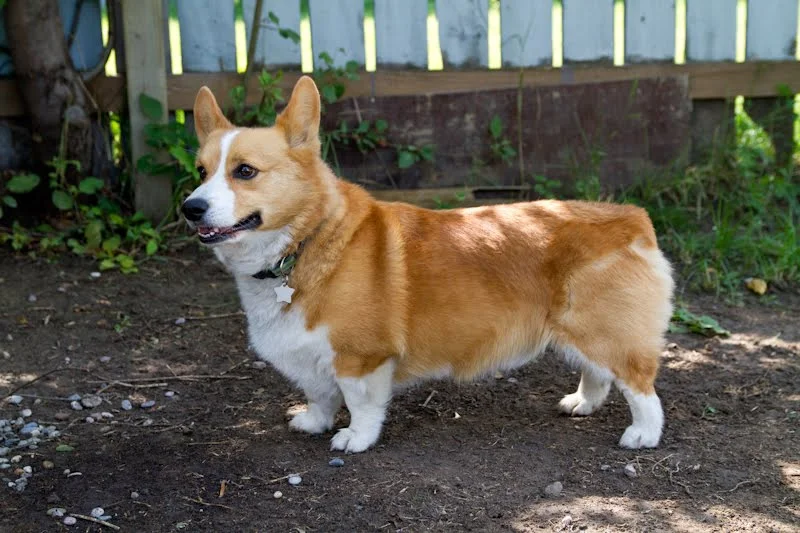
Corgi Rehoming Cynthiana: The Corgi — known for its adorable looks, intelligence, and cheerful personality — is one of the most beloved dog breeds in America. However, not every Corgi finds the perfect home right away. That’s where Corgi rehoming programs in Cynthiana, KY step in.
Whether you’re looking to adopt a Corgi or need to find a new home for one, several compassionate organizations and foster networks in and around Cynthiana are dedicated to giving these lovable dogs a second chance at happiness.
In this article, we’ll explore how Corgi rehoming works, where to find reputable organizations in Cynthiana, what the adoption process looks like, and how you can help.
Understanding Corgi Rehoming and Why It’s Important
Corgi rehoming refers to the process of finding new, suitable homes for Corgis that can no longer stay with their original owners. Unlike shelter surrenders, rehoming programs often work through foster care networks and breed-specific rescues, ensuring that each dog is carefully matched to the right family.
Why Rehoming Happens:
There are many reasons why Corgis need new homes:
-
Owner relocation or health issues
-
Allergies or financial hardship
-
Behavioral challenges that owners can’t manage
-
Overbreeding or rescue from puppy mills
Corgis are intelligent and active dogs that need consistent care, training, and exercise. When those needs aren’t met, they may end up needing rehoming.
Rehoming programs in Cynthiana, Kentucky, provide a compassionate alternative to traditional shelters, ensuring each Corgi receives individual attention, medical care, and proper socialization before being adopted.
Corgi Rehoming Options in Cynthiana, Kentucky
If you’re in or near Cynthiana, there are several ways to find or rehome a Corgi responsibly. Many organizations in Central Kentucky work closely with breed rescues, fosters, and local shelters to ensure every Corgi gets a loving home.
1. Local Animal Shelters
Start by checking with:
-
Harrison County Animal Shelter – Located near downtown Cynthiana, they occasionally have Corgis or Corgi mixes available for adoption.
-
Bluegrass Animal Rescue – Serves multiple counties in Kentucky and partners with Corgi rescue groups statewide.
2. Breed-Specific Corgi Rescues
For those looking specifically for Corgis:
-
Kentucky Corgi Rescue (based in Lexington, about 40 miles from Cynthiana) specializes in rehoming Welsh Corgis from all over the state.
-
East Coast Corgi Rescue sometimes lists adoptable Corgis in Kentucky and nearby regions.
3. Foster Networks
Local volunteers in the Cynthiana area often host foster programs for dogs in need. These foster homes provide temporary care until a permanent family is found.
When adopting through a foster-based rescue, you get detailed insights into the dog’s behavior, energy level, and compatibility with children or other pets — ensuring a smooth match.
How the Corgi Adoption Process Works
Adopting a rehomed Corgi in Cynthiana is a rewarding process, but it involves a few key steps to ensure the dog’s long-term welfare.
Step-by-Step Adoption Process:
-
Submit an Adoption Application
Most rescues require a detailed form including your lifestyle, living situation, and prior pet experience. -
Home Visit or Virtual Interview
This helps the rescue team confirm that your home environment is safe and suitable for a Corgi. -
Meet-and-Greet with the Dog
Once approved, you’ll be invited to meet available dogs to find the right match for your family. -
Pay the Adoption Fee
Fees usually range from $150 to $400, covering vaccinations, spaying/neutering, and microchipping. -
Post-Adoption Support
Many rescues offer guidance after adoption, helping new owners with training and adjustment advice.
Important Tip:
Always adopt through registered rescues or shelters. Avoid unverified online listings or backyard breeders, as they may not prioritize the dog’s welfare.
Tips for Successfully Rehoming a Corgi in Cynthiana
If you’re an owner in Cynthiana, KY, and must rehome your Corgi, it’s important to do so responsibly and safely.
Here are some tips to help you find the right new home:
-
Contact Local Corgi Rescues:
Reach out to Kentucky Corgi Rescue or Harrison County Animal Shelter. They often assist owners in finding pre-screened adopters. -
Create a Detailed Profile:
Include information such as the dog’s age, personality, health history, and behavior with children/pets. -
Screen Potential Adopters:
Always verify that the new home has a safe environment and understands the needs of the Corgi breed. -
Ask for an Adoption Fee:
Charging a small fee helps discourage impulse adoptions and ensures the adopter is serious. -
Provide Transition Support:
Offer to share the dog’s routine, diet, and medical records with the new owner for a smoother adjustment.
Corgis are incredibly intelligent and loyal — they thrive when placed in homes where they receive mental stimulation and daily activity. Responsible rehoming ensures these beloved dogs get the love and attention they deserve.
Why Adopt or Rehome Through a Trusted Corgi Rescue
Choosing a reputable rehoming organization has countless benefits for both the adopter and the dog.
Benefits for Adopters:
-
Receive a healthy, vaccinated, and temperament-tested Corgi.
-
Get matched with a dog that fits your family’s lifestyle and energy level.
-
Gain access to ongoing support from the rescue organization.
Benefits for Dogs:
-
Receive proper medical care, socialization, and training before adoption.
-
Transition smoothly into loving, permanent homes.
-
Avoid being placed in high-stress shelter environments.
When you choose to work with Corgi rehoming organizations in Cynthiana, you’re not just adopting a pet — you’re saving a life and giving a dog a chance to experience unconditional love again.
Contact Information and How to Get Involved
If you’re ready to adopt, foster, or volunteer, here are some resources connected to Corgi rehoming in Cynthiana, KY:
1. Harrison County Animal Shelter
📍 Address: 1751 New Lair Rd, Cynthiana, KY 41031
📞 Phone: (859) 234-7138
2. Kentucky Corgi Rescue (Lexington area)
🌐 Website: www.kentuckycorgirescue.org (replace with actual site link)
📩 Email: info@kentuckycorgirescue.org
3. Bluegrass Animal Rescue Network
🌐 Website: www.bluegrassrescue.org
4. East Coast Corgi Rescue
🌐 Website: www.eastcoastcorgirescue.com
These organizations welcome donations, foster applications, and volunteers who want to help rehome Corgis across Kentucky.
Conclusion
Corgi rehoming in Cynthiana is about compassion, community, and giving dogs a fresh start. Whether you’re adopting a new furry friend or helping a Corgi find its forever home, your involvement makes a real difference.
Through the efforts of local shelters, rescues, and foster families, countless Corgis are being placed into loving, responsible homes every year. If you’re considering adoption or need rehoming assistance, reach out to one of the trusted organizations in the Cynthiana area — because every Corgi deserves a home where they can wag their tail with joy.
FAQs
1. What is Corgi rehoming?
It’s the process of finding a new, permanent home for a Corgi that can no longer stay with its current owner.
2. Are there Corgi rescues near Cynthiana, KY?
Yes — groups like Kentucky Corgi Rescue and Harrison County Animal Shelter often help with rehoming and adoption.
3. How much does it cost to adopt a Corgi?
Adoption fees typically range from $150 to $400, depending on the dog’s age and health needs.
4. Can I volunteer with a Corgi rescue?
Absolutely. Volunteers can assist with fostering, transportation, fundraising, or adoption events.
5. Is it safe to adopt a dog online?
Only if you work with verified rescues or shelters. Avoid unlicensed breeders or unofficial online listings.
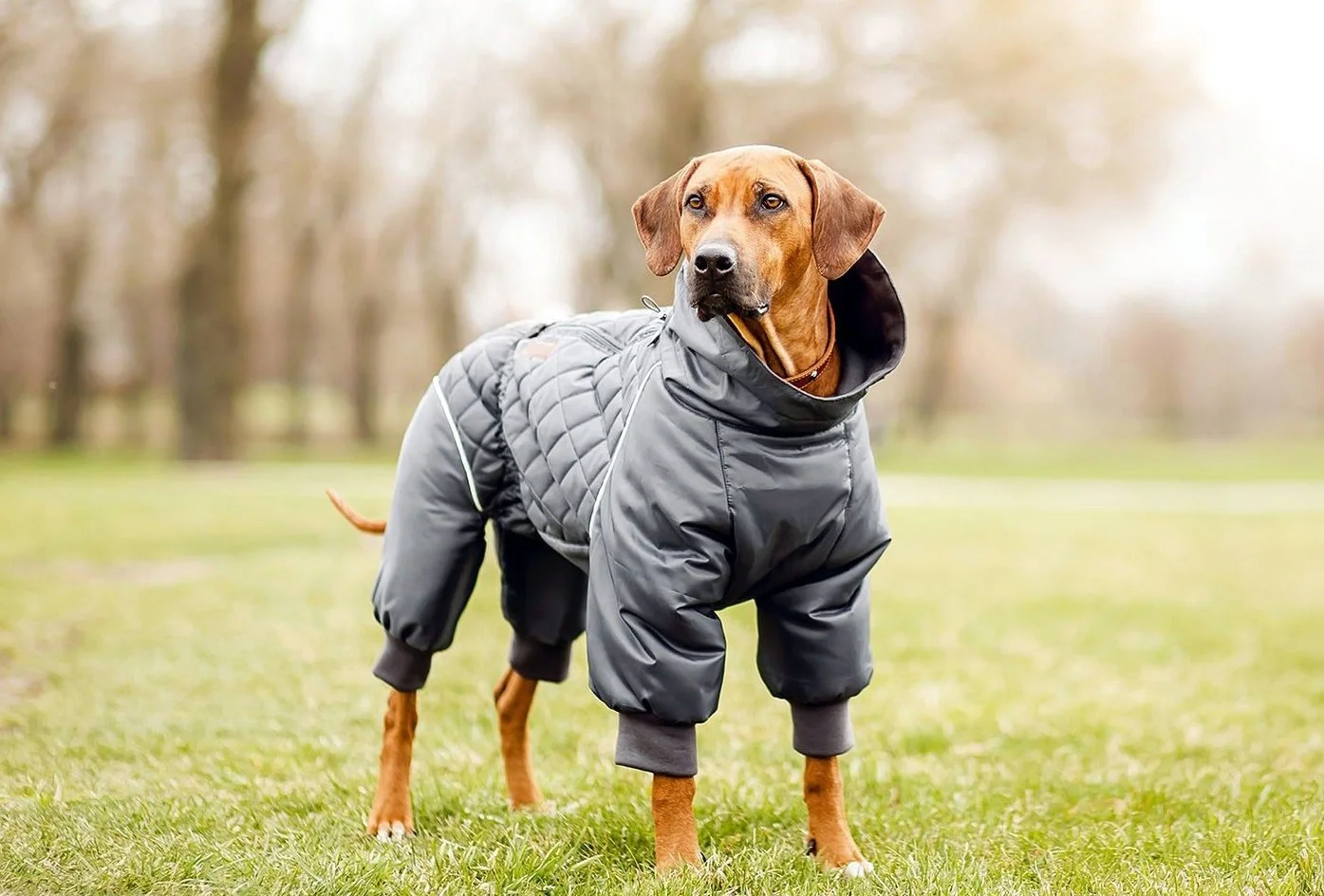
From functional raincoats to designer hoodies, the world of dogie clothing has evolved into a vibrant fashion landscape. Whether styled for fun, comfort, or protection, canine apparel is more than just cute—it’s practical, expressive, and growing steadily in popularity. This guide delves into the dynamic realm of dog clothing, with six well-defined sections to guide both new and seasoned pet parents.
1. Why Dogie Clothing is Becoming a Must-Have for Pet Owners
Dog apparel has transcended novelty and entered mainstream pet care for multiple reasons:
Weather Protection: Short-haired or small breeds often need extra warmth during colder seasons. Jackets, hoodies, and sweaters shield them from the cold and wind.
Style & Personal Expression: Matching outfits or quirky designs let pet owners show off their dog’s personality and their own styling flair.
Safety & Comfort: Reflective vests, anti-anxiety suits, and clothing made for UV protection contribute to doggie well-being.
Social & Cultural Influence: With social media trends and influencer culture, stylish dogs garner attention, making doggie fashion both fun and aspirational.
2. Popular Types of Dogie Clothing Available Today

Dogie Clothing
The market offers a wide range of apparel tailored to different needs and occasions:
- Hoodies & Sweaters: Cozy options that pair comfort with cuteness, popular during fall and winter seasons.
- Raincoats & Jackets: Ideal for wet weather; often reversible or insulated to keep pups dry and warm.
- Cooling Vests & Anti-Anxiety Suits: Designed with lightweight fabrics or snug fits to calm anxious dogs.
- Matching Outfits (Pet + Owner): Coordinated looks that elevate style status for social media or special events.
- Accessories & Hats: From embroidered bandanas to trucker hats—fun additions to complete your pup’s outfit.
3. How to Choose the Right Dogie Clothing
Choosing the perfect fit is vital for both comfort and function. Here are some key considerations:
- Proper Measurements: Measure neck, chest, and back length. Many brands offer size guides to ensure a good fit.
- Material Matters: Pick breathable fabrics—cotton blends for comfort, waterproof textiles for rainy days.
- Ease of Dressing: Look for stretchable or open-side designs to simplify dressing. Velcro or snaps make life easier.
- Purpose-Based Selection: Invest in lightweight protective wear for daily use; splurge on designer pieces for special occasions.
- Durability & Care: Washable and well-sewn items last longer and save money in the long run.
4. Top Dogie Clothing Brands Setting the Trend
Here’s a shortlist of standout brands that have made a mark in doggie fashion:
- Diogie – A brand for dog lovers—”Apparel for people who can’t get enough of their dogs.” Known for graphic tees, hats, and sweatshirts that celebrate canine companionship.
- DOG Industries Clothing – Urban streetwear-inspired designs that channel strength and grit, imbued with empowerment themes.
- Little Beast – Artisan-crafted fashion for dogs including onesies, sweaters, and carriers, created with an emphasis on quality and originality.
- Doggie Design – A legacy brand specializing in designer apparel and harnesses, established since 1999 with a reputation for premium craftsmanship.
- Furbaby Couture – Chic boutique-style apparel featuring hoodies, dresses, and outerwear with stylish twists and boutique aesthetics.
5. Benefits Beyond Fashion: The Practical Perks of Dogie Clothing
While often seen as whimsical, dog apparel comes with real advantages:
- Thermal Regulation: Cropped or hairless breeds benefit from added warmth, especially indoors with air conditioning or outdoors in cooler climates.
- Behavioral Comfort: Snug garments such as thunder shirts or calming sweats can reduce anxiety in stressful situations.
- Health & Cleanliness: Clothing helps minimize dirt, allergens, and shedding—especially useful after walks or social outings.
- Safety Gear: Reflective stripes and bright colors increase dog visibility for nighttime walks, adding a layer of protection.
6. Caring for Dogie Clothing: Tips to Keep It Stylish & Functional

Dogie Clothing
To keep your dog’s wardrobe in top shape, follow these care guidelines:
- Read Labels: Some fabrics are machine-washable; others may need hand-washing or air drying.
- Minimal Detergent: Use gentle detergents to preserve fabric quality and avoid skin irritation.
- Regular Inspections: Bite marks, pulled threads, or loose seams should be repaired promptly to avoid discomfort or choking hazards.
- Proper Storage: Store items flat or on hangers to maintain shape. Keep away from chew-loving pets when not in use.
Conclusion
Dogie clothing has evolved beyond fashion—it’s now a reflection of care, comfort, and canine companionship. From protective raincoats to statement-making hoodies, there’s outfit options that meet both functional needs and personal style. By choosing the right fit, materials, and brands like Diogie, Little Beast, or Furbaby Couture, you’ll keep your pup looking stylish and feeling comfortable.


The Tech in Your Home is More Advanced Than You Think – Does It Truly Preserve Your Valuables?

Veronica Mars Movie (2014): The Complete Guide, Plot, Cast, Kickstarter Record & Legacy