LIFE STYLE
Sodiceram: The Rise of a Modern Ceramic Revolution

Introduction to Sodiceram?
Sodiceram is a name that’s gaining traction in the world of ceramics, especially in architectural design, construction, and high-end interior aesthetics. It refers to a specific range of ceramic products—often tiles and structural ceramics—known for their refined manufacturing, durability, and aesthetic flexibility. While the term might not yet be a household name globally, within professional circles like architecture, interior design, and modern construction, Sodiceram is steadily carving a place of prestige.
Unlike generic ceramics, Sodiceram tiles and surfaces often feature distinct styles, including stone, wood, and even textile-inspired textures. They’re not just decorative but also serve functional purposes due to their strength, resistance, and environmental adaptability. Whether used on walls, floors, or facades, these ceramics represent a seamless blend of tradition and innovation.
In this article, we’ll dig into what makes Sodiceram a standout in the ceramic industry, explore its applications, understand its advantages, and highlight why it’s fast becoming a go-to material in contemporary architecture.
The Evolution of Ceramic Technology and the Emergence of Sodiceram
To appreciate the significance of Sodiceram, it helps to look back at how ceramic technology has evolved over the years. Ceramics, in general, have been around for thousands of years—used in pottery, construction, and later in industrial applications. From clay bricks in ancient Mesopotamia to the ornate tiles of Islamic architecture, ceramics have always held an important place in human innovation.
Fast forward to the modern era, and ceramics have become more sophisticated thanks to advances in material science. New methods like high-pressure pressing, vitrification, and digital printing have elevated what’s possible. It’s in this wave of modernization that Sodiceram emerged—not just as a product but as a statement of quality and design leadership.
Sodiceram products are often manufactured using state-of-the-art techniques that optimize both appearance and performance. This includes laser-cut precision, enhanced glaze technologies, and even eco-friendly production practices. These innovations make the brand—or the concept behind it—resonant with current market demands that prioritize sustainability, elegance, and functionality.
In many ways, Sodiceram stands as a symbol of how tradition can be transformed through technology, offering a new era of ceramic excellence.

Design and Aesthetic Versatility
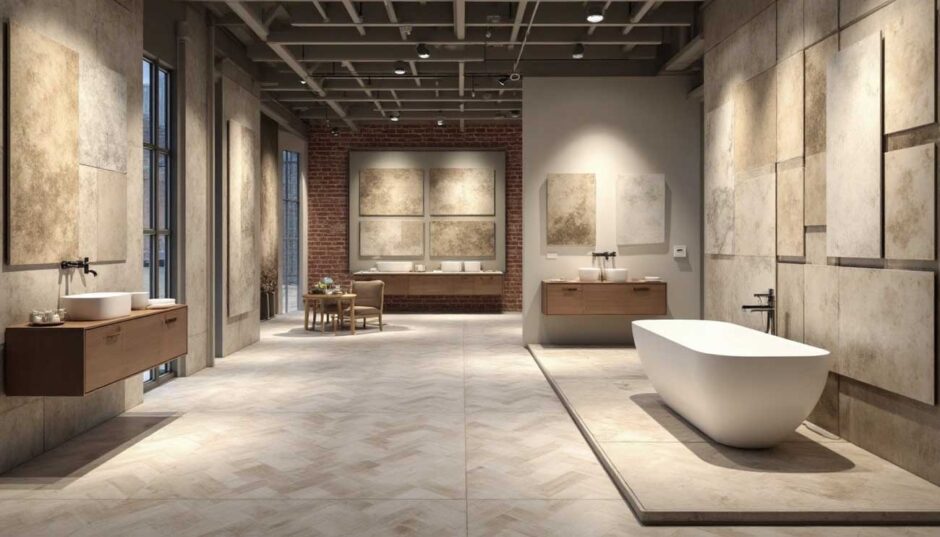
One of the strongest features of Sodiceram is its aesthetic adaptability. Whether you are outfitting a modern penthouse or designing a commercial space, Sodiceram offers a range of patterns, textures, and finishes that allow for creative freedom. From matte to glossy, rustic to ultra-modern, the options are impressively diverse.
For interior designers, this kind of flexibility is gold. It means that they can mix and match different looks without compromising on material quality. A bathroom, for instance, can benefit from marble-look porcelain tiles from Sodiceram that are both waterproof and luxurious-looking. Kitchens, foyers, terraces—you name it—can all find a Sodiceram solution that fits the ambiance.
In addition, the variety in sizing (from small mosaics to large slabs) adds another layer of design potential. Large-format tiles have become especially popular because they create a seamless, almost monolithic look—perfect for minimalistic or high-end designs.
So whether you’re aiming for an industrial loft vibe or a warm, Mediterranean feel, Sodiceram gives you the palette to express your vision fully.
Durability and Performance in Real-World Use
While beauty is a major selling point, performance is where Sodiceram really shines. These ceramic products are built to last. They are resistant to scratches, stains, water, and high foot traffic—making them ideal for both residential and commercial projects.
The dense, vitrified nature of the ceramic makes it less porous, which not only enhances its waterproof properties but also makes it more hygienic. This is particularly useful in spaces like kitchens, bathrooms, and hospitals where cleanliness is crucial.
Moreover, Sodiceram tiles are often rated for frost and heat resistance, making them suitable for exterior applications too. Facades, outdoor patios, and even rooftop installations can benefit from their durability and visual appeal.
In places where climate conditions fluctuate, such as in coastal or mountainous regions, these tiles perform well due to their stability and resistance to thermal expansion. That’s why many architects recommend Sodiceram for projects where long-term performance cannot be compromised.
Sustainability and Eco-Friendliness
Another key point in Sodiceram’s favor is its alignment with sustainable building practices. As more designers and builders prioritize eco-conscious materials, ceramic tiles have risen in favor due to their long lifecycle, recyclability, and minimal maintenance needs. Sodiceram, in particular, often boasts certifications and manufacturing practices that reduce environmental impact.
These ceramics are typically made from natural materials like clay, sand, and feldspar. The production process, when done responsibly, ensures minimal waste, energy efficiency, and low emissions. Some manufacturers even recycle water and use renewable energy sources during production.
Additionally, Sodiceram surfaces don’t release volatile organic compounds (VOCs), which means they contribute to healthier indoor air quality. This is a major plus in both residential homes and commercial environments like schools, offices, and healthcare centers.
Sustainability is no longer just a buzzword—it’s a requirement in today’s market. And by using materials like Sodiceram, designers can meet green building standards such as LEED or BREEAM with confidence.
Global Appeal and Market Presence
Though Sodiceram might initially sound like a niche name, it’s becoming globally recognized. Its quality and reputation have found footing in markets across Europe, the Middle East, Asia, and even North America. International trade fairs such as Cersaie (in Italy) and Coverings (in the U.S.) have showcased Sodiceram lines, highlighting them as forward-thinking solutions in ceramic design.
What contributes to this global success is the blend of style with substance. Not only are the designs on-trend, but they’re backed by certifications and rigorous testing, which makes them attractive to both small-scale designers and large-scale developers.
In regions with architectural heritage, like Spain and Italy, Sodicerm tiles are seen as a modern extension of the ceramic tradition. Meanwhile, in fast-developing regions, they’re often chosen as premium upgrades in residential and commercial real estate projects.
With increasing attention from interior influencers, builders, and online platforms, Sodicerm is quickly transitioning from being just a product line to becoming a benchmark in the ceramic world.
Common Applications in Design and Construction
To put it simply, if there’s a surface, Sodiceram probably has a tile for it. Its application areas are vast:
- Residential Flooring and Walls: Living rooms, kitchens, bathrooms, bedrooms—tiles can match every lifestyle.
- Commercial Spaces: Offices, malls, showrooms, and retail environments benefit from stylish and durable ceramics.
- Exterior Architecture: Facades, balconies, patios, and poolside areas can all leverage the weather resistance of these tiles.
- Public Institutions: Hospitals, schools, government buildings—where hygiene and durability are paramount.
- Hospitality Industry: Hotels, restaurants, spas, and resorts—where visual experience and low maintenance are key.
The ability to use the same brand across such a variety of spaces makes Sodieram a one-stop shop for many design professionals.
Conclusion:
Sodiceram is more than just ceramic—it represents a design philosophy that blends the artistic legacy of ceramics with the demands of modern construction. Its high-quality composition, broad design range, eco-conscious production, and international appeal make it a rising star in architecture and design.
As sustainability, innovation, and aesthetic harmony become increasingly vital in the built environment, products like Sodieram are not just desirable—they’re essential. Whether you’re a homeowner aiming for that perfect bathroom finish, a developer working on a residential tower, or a designer reimagining a luxury hotel, Sodieram offers the tools to bring your vision to life—stylishly, sustainably, and smartly.
In the end, it’s not just about what tiles go on a wall. It’s about how those tiles shape the experience of space—and in that arena, Sodieram is proving to be a game changer.

For people who divide their time between early-morning runs, weekend rides, mountain trips, and a few quiet hours on the golf course, a smartwatch needs to do more than display notifications. It should support movement in changing conditions, make training information easier to understand, and remain dependable when a charger is not close at hand. That is the idea behind the new HUAWEI gt 7, a sports-focused smartwatch designed for active routines and longer days outdoors.
Rather than treating fitness as a single workout, the watch is built around the way many adults actually train. A session may begin with a commute by bike, continue with a demanding climb, and end with recovery planning for the next day. With dedicated outdoor sports modes, physical readiness insights, a quick-release strap system, and extended battery performance, the GT 7 series is positioned as a practical tool for structured activity and everyday wear.
Built for a More Active Outdoor Routine
Outdoor training rarely follows a perfectly controlled schedule. Weather can change, routes can become more demanding, and the same activity can feel different from one day to the next. The HUAWEI gt 7 is designed to help users stay connected with their training data while moving through these changing conditions.
Its appeal is especially clear for adults between 25 and 45 who want to make exercise part of a sustainable lifestyle. This audience may not train for competition every day, but still cares about pace, distance, effort, consistency, and recovery. A useful sports smartwatch should therefore offer meaningful information without making every activity feel unnecessarily complicated.
The GT 7 supports a wide range of exercise scenarios, with a particular focus on skiing, cycling, golf, and running. These activities place different demands on the body and the environment. Skiing involves cold temperatures, elevation changes, and variable terrain. Cycling can involve long distances and changing speeds. Running requires attention to rhythm and endurance, while golf combines walking, outdoor exposure, and many hours of low-intensity movement. The watch is designed to fit naturally into each of these routines.
New Skiing and Cycling Modes for Outdoor Sports
One of the key features of the Watch GT 7 series is its all-new skiing and cycling modes. These modes reflect the needs of people who want more than a general workout label when they are outdoors.
Skiing can involve fast descents, repeated runs, lift rides, and long periods in cold conditions. A dedicated skiing mode gives users a more relevant way to organize and review activity data from a day on the slopes. It can also make it easier to distinguish between different stages of the experience, from warm-up movement to more demanding runs. For skiers who plan trips around fitness and exploration, having a watch designed with this activity in mind adds practical value to the overall experience.
Cycling presents a different set of challenges. Road cyclists may focus on endurance and steady pacing, while recreational riders may be more interested in distance, route progress, and maintaining a comfortable effort. The new cycling mode is intended to support both types of riding by helping users monitor their session in a clear and accessible way. On a weekend ride, this can encourage better pacing and help turn an informal outing into a more consistent training habit.
Outdoor data is most useful when it supports decisions. A cyclist can use session information to judge whether to extend a route, take a recovery break, or keep the effort controlled. A skier can review activity patterns after a day outside and make a better plan for the next session. The goal is not to overwhelm users with numbers, but to give them information that relates directly to how they move.
Physical Readiness Score for Smarter Training Management
Training progress depends on more than the number of workouts completed. Sleep, daily workload, previous exercise, and general fatigue can all influence how a person feels before starting a session. The Physical Readiness Score on the GT 7 is designed to help users consider this broader picture.
For a regular runner, this type of insight can encourage a more balanced approach to weekly training. A planned run may feel appropriate after a comfortable recovery day, while a lighter session may be more sensible after several demanding workouts. For a cyclist preparing for a longer ride, the score can become part of a daily routine that includes checking personal condition before deciding on distance and intensity.
This is not about replacing personal judgment. Instead, it provides an additional reference point for people who want to understand their body and manage activity more carefully. Science-based exercise management begins with recognizing that every training day is different. A physical readiness indicator can help users avoid treating every session as a test of maximum performance.
The feature may also be useful for people balancing exercise with work and family commitments. Many adults cannot follow a rigid training schedule, so they need flexible guidance that adapts to real life. By checking readiness alongside recent activity, users can select a suitable level of effort instead of abandoning exercise altogether or pushing too hard.
Support for Running, Golf, and Everyday Movement
Running remains one of the most accessible ways to build endurance, and the GT 7 is suited to runners who value regular progress. Whether the goal is a short weekday run or a longer weekend session, the watch can serve as a convenient training companion. Users can build awareness around their movement patterns and use recorded sessions to understand how their routine develops over time.
For golf, the value of a smartwatch extends beyond the swing itself. A round can last several hours and involve substantial walking, changing weather, and repeated movement between holes. Wearing a watch that is comfortable for long periods allows golfers to keep track of their activity without interrupting the experience. The outdoor setting also makes durable design and battery life particularly important.
The GT 7 series is equally relevant during non-sporting parts of the day. A morning walk, a cycle to work, or an unplanned hike can all become part of a broader picture of personal activity. This makes the watch a natural fit for users who do not separate “training” from the rest of their active lifestyle. Movement becomes easier to manage when it is visible, consistent, and connected to daily habits.
EasyCross Strap for Quick Changes
Outdoor enthusiasts often use different accessories for different activities. A runner may prefer a lightweight feel, while a cyclist or golfer may choose a style that fits more comfortably with everyday clothing. The EasyCross Strap system is designed to make strap changes faster and more convenient.
A quick-release design is especially useful for people who move between work, exercise, and social plans during the same day. Instead of treating the watch as equipment reserved for one sport, users can adjust its appearance and feel to match the occasion. This supports the GT 7’s role as both a performance-focused device and an everyday wearable.
The feature also suits seasonal activity. A user may spend winter weekends skiing, spring mornings cycling, and summer evenings running. Easy strap changes make it simpler to adapt the watch to these different routines. Small practical details often determine whether a wearable becomes part of a habit, and a straightforward strap system reduces one more barrier to regular use.
For those considering the HUAWEI gt 7 for daily sports and outdoor use, this flexibility adds to its appeal. The watch can remain on the wrist through a changing schedule, while the strap can be adjusted when comfort, appearance, or activity requirements change.
Up to 21 Days of Battery Life
Long outdoor sessions require dependable power. A smartwatch that needs frequent charging can become inconvenient for runners, cyclists, and travelers, particularly when they spend several days away from home. The GT 7 offers up to 21 days of battery life, giving users more freedom to focus on their activity rather than constantly checking the remaining charge.
Actual battery performance can vary according to settings, usage, and the features being used. Even so, an extended battery design is valuable for people with active schedules. A multi-day hiking trip, a ski holiday, or a cycling weekend may involve limited access to charging equipment. Longer endurance helps users keep their activity records and daily functions available across more of the journey.
Battery life also supports consistency. If a person can wear the watch through workdays, training sessions, rest days, and weekend activities without frequent interruptions, it becomes easier to build a complete view of their lifestyle. That continuity can be useful when reviewing exercise patterns and considering how daily movement relates to physical readiness.
For busy users, fewer charging interruptions also make the device easier to maintain. The watch can be placed on the wrist in the morning and remain part of the day’s routine through commuting, outdoor exercise, and evening recovery. Reliable endurance turns a smartwatch from occasional sports equipment into a more continuous training companion.
A Practical Design for Serious but Flexible Training
The new HUAWEI GT 7 series is aimed at users who take outdoor activity seriously while still wanting flexibility. It brings together dedicated skiing and cycling modes, a Physical Readiness Score, the EasyCross Strap system, and long battery performance in one wearable platform.
Its strongest use cases are easy to understand: a skier reviewing a day on the mountain, a cyclist managing effort over a longer route, a golfer tracking movement across 18 holes, or a runner building a more measured weekly routine. In each situation, the watch is intended to make activity data more relevant and daily training decisions more informed.
The result is a sports smartwatch that fits a modern outdoor lifestyle—one where exercise may happen before work, during travel, or as part of a weekend adventure. With a focus on professional sports data, outdoor assistance, thoughtful training management, and dependable endurance, the GT 7 is designed for people who want their wearable technology to keep pace with the way they actually live.
Sunless tanning lotion sun lab products have become a go-to solution for achieving a radiant, bronzed look without exposing your skin to harmful UV rays. Whether you’re preparing for a special event or maintaining a year-round glow, sunless tanning lotion sun lab formulas provide a safe and effective alternative to traditional tanning methods. In this guide, we’ll explore everything you need to know about sunless tanning lotion sun lab products, from how they work to tips for flawless application.
Why Choose Sunless Tanning Lotion Sun Lab for a Healthy Glow
When it comes to achieving a sun-kissed look, sunless tanning lotion sun lab options stand out for their convenience and skin-friendly benefits. Unlike sunbathing or tanning beds, sunless tanning lotion sun lab solutions use active ingredients like DHA (dihydroxyacetone) to create a temporary tan by reacting with the outer layer of your skin.
One of the biggest advantages of sunless tanning lotion sun lab products is their ability to deliver consistent, customizable results. You can choose lighter shades for a subtle glow or deeper tones for a more dramatic bronze. Additionally, sunless tanning lotion sun lab formulas are often enriched with moisturizing ingredients, helping your skin stay hydrated and smooth.
Another reason to opt for sunless tanning lotion sun lab is the reduced risk of premature aging and skin damage. UV exposure is known to cause wrinkles, sunspots, and even skin cancer, making sunless tanning lotion sun lab a safer alternative for beauty-conscious individuals.
How Sunless Tanning Lotion Sun Lab Works
Understanding how sunless tanning lotion sun lab products work can help you achieve better results. The key ingredient, DHA, interacts with amino acids on the skin’s surface to produce a darker pigment. This reaction typically develops over several hours, which is why sunless tanning lotion sun lab products often require some patience after application.
The beauty of sunless tanning lotion sun lab is that it works on the outermost layer of skin, meaning the color gradually fades as your skin naturally exfoliates. This makes sunless tanning lotion sun lab an excellent option for those who want temporary results without long-term commitment.
For best results, applying sunless tanning lotion sun lab evenly is crucial. Uneven application can lead to streaks or patchiness, so taking your time is essential.
Preparing Your Skin for Sunless Tanning Lotion Sun Lab
Preparation is key when using sunless tanning lotion sun lab products. Start by exfoliating your skin thoroughly to remove dead skin cells. This step ensures that the sunless tanning lotion sun lab applies smoothly and evenly.
Pay special attention to dry areas like elbows, knees, and ankles, as these spots tend to absorb more product. Applying a light moisturizer before using sunless tanning lotion sun lab can help prevent uneven coloration.
Shaving or waxing should also be done at least 24 hours before applying sunless tanning lotion sun lab. This allows your pores to close and reduces the risk of irritation or dark spots.
Application Tips for Sunless Tanning Lotion Sun Lab
Applying sunless tanning lotion sun lab correctly can make all the difference in your final results. Begin by using a tanning mitt to ensure even distribution and to avoid staining your hands. Apply the sunless tanning lotion sun lab in circular motions, working one section at a time.
Start with a small amount of sunless tanning lotion sun lab and build up gradually. This helps you maintain control and avoid applying too much product at once. Blending is crucial, especially around joints and contours.
After applying sunless tanning lotion sun lab, allow it to dry completely before getting dressed. Wearing loose, dark clothing can help prevent transfer while the tan develops. Avoid water and sweating for at least 6–8 hours after applying sunless tanning lotion sun lab.
Maintaining Your Sunless Tanning Lotion Sun Lab Glow
Once you’ve achieved your desired color with sunless tanning lotion sun lab, maintaining it becomes the next priority. Hydration plays a major role in extending the life of your tan. Using a daily moisturizer helps keep your skin smooth and prevents uneven fading.
Avoid harsh exfoliants or long hot showers, as these can strip away your sunless tanning lotion sun lab color more quickly. Instead, opt for gentle cleansers and lukewarm water to preserve your glow.
Reapplying sunless tanning lotion sun lab every few days can help maintain a consistent tone. Gradual tanning formulas are especially useful for touch-ups, allowing you to build color without overdoing it.
Common Mistakes to Avoid with Sunless Tanning Lotion Sun Lab
Even though sunless tanning lotion sun lab products are easy to use, there are some common mistakes to watch out for. Skipping exfoliation is one of the biggest errors, as it can lead to patchy results. Always prep your skin before applying sunless tanning lotion sun lab.
Another mistake is applying too much product at once. Overloading your skin with sunless tanning lotion sun lab can result in an unnatural or streaky appearance. Instead, use thin layers and build gradually.
Neglecting to wash your hands or use a mitt can also cause uneven staining. Always take precautions to ensure a smooth and professional-looking finish when using sunless tanning lotion sun lab.
Choosing the Right Sunless Tanning Lotion Sun Lab Product
Not all sunless tanning lotion sun lab products are created equal, so choosing the right one is important. Consider your skin tone and desired level of darkness when selecting a formula. Many sunless tanning lotion sun lab options come in light, medium, and dark variations.
Look for sunless tanning lotion sun lab products that include nourishing ingredients like aloe vera, vitamin E, or natural oils. These additions help keep your skin hydrated and enhance the overall appearance of your tan.
If you’re new to sunless tanning lotion sun lab, starting with a gradual formula can be a great way to ease into the process. These products allow you to build color slowly and reduce the risk of mistakes.
Conclusion
Sunless tanning lotion sun lab products offer a safe, effective, and convenient way to achieve a beautiful, bronzed glow without the risks associated with UV exposure. By understanding how sunless tanning lotion sun lab works and following proper preparation and application techniques, you can enjoy flawless, long-lasting results.
From choosing the right formula to maintaining your tan, sunless tanning lotion sun lab provides flexibility and control for every skin type. With the right approach, you can achieve a natural-looking tan that enhances your confidence and complements your lifestyle.
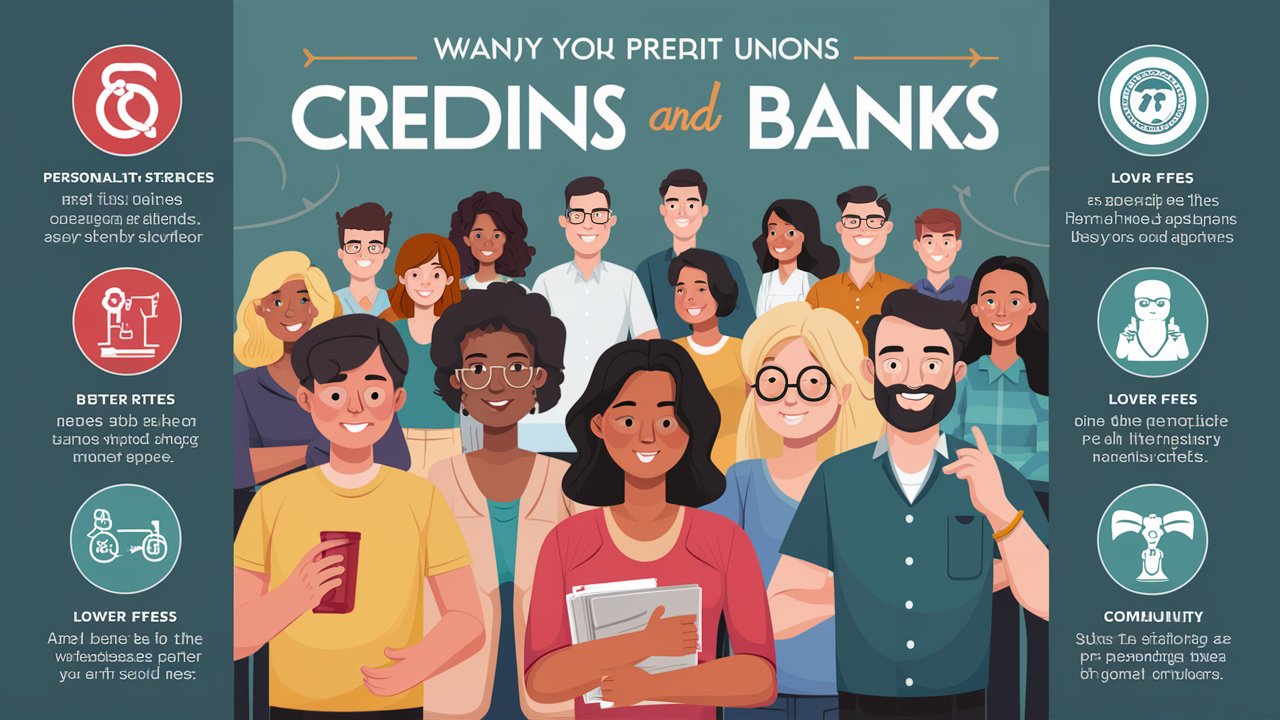
Most people rely on traditional banks for savings accounts, loans, and other financial services, as they’ve been the default choice for decades. However, an increasing number of consumers are turning to credit unions—and it’s easy to see why. Unlike big banks, credit unions are member-owned and not-for-profit, which means they often provide more personalized service, lower fees, and better interest rates on loans and savings. They are also rooted in local communities, reinvesting in the areas they serve. Understanding this growing trend can help you weigh the benefits and decide if switching to a credit union aligns with your financial goals and values.
What Sets Credit Unions Apart?
Credit unions are not-for-profit cooperatives owned by their members. Unlike banks, which focus on profits for shareholders, credit unions prioritize their members’ financial well-being. This often means lower fees, better interest rates, and a more personalized experience. Members are treated as part-owners, with an equal vote in key decisions. This member-focused approach makes credit unions a strong alternative to traditional banks, combining financial benefits with community values.
Lower Fees and Better Rates
Credit unions are a great choice for saving money. They offer lower fees on services like checking accounts and ATM usage, along with better interest rates on loans and savings accounts. For families and small businesses, these benefits can make a big difference. Whether you’re financing a car, growing your savings, or covering everyday expenses, credit unions provide affordable, practical solutions. Even small savings on fees or interest rates can add up over time, helping you manage loans or save for the future.
Personalized Member Service
Credit unions stand out for their personalized customer service and commitment to their members. Unlike large banks that often prioritize profits, credit unions operate on a smaller, member-focused scale, emphasizing meaningful relationships and tailored support. Members don’t have to deal with impersonal call centers or automated systems—instead, they interact with representatives who understand not only their financial goals but also the nuances of the local economy. This local expertise allows credit unions to offer advice and solutions that truly resonate with their members’ needs.
Community Impact and Local Focus
Credit unions play a key role in supporting local communities. They sponsor events, offer financial literacy programs, and assist small businesses and charities, becoming trusted pillars in many areas. This commitment isn’t just about public image—it strengthens the region’s economic health. When members see their money supporting causes they care about, it builds trust and confidence. Joining a credit union is more than a financial choice; it’s a chance to connect with the community and contribute to something beyond traditional banking.
Accessibility and Modern Tools
Many think credit unions lag behind big banks in digital tools, but that’s not true. Modern credit unions offer mobile banking apps, online account management, mobile deposits, and more, making banking easy and efficient. They’ve embraced technology without losing their personal touch, blending digital convenience with community-focused service. This appeals to both tech-savvy younger users and older members who value trust and care.
Conclusion
More people are choosing credit unions for better financial control, great service, and values-driven banking. Utah’s credit unions are a trusted choice for individuals, families, and small businesses seeking a practical, community-focused approach to finances. Whether you’re saving, looking for a low-interest loan, or wanting a more cooperative banking experience, credit unions put their members first. Switching to a credit union isn’t just smart—it brings lasting benefits.


HUAWEI gt 7: Smart Training for Every Outdoor Adventure

The Tech in Your Home is More Advanced Than You Think – Does It Truly Preserve Your Valuables?