Blog
Understanding the Soleás: Flamenco’s Profound “Mother of Palos”

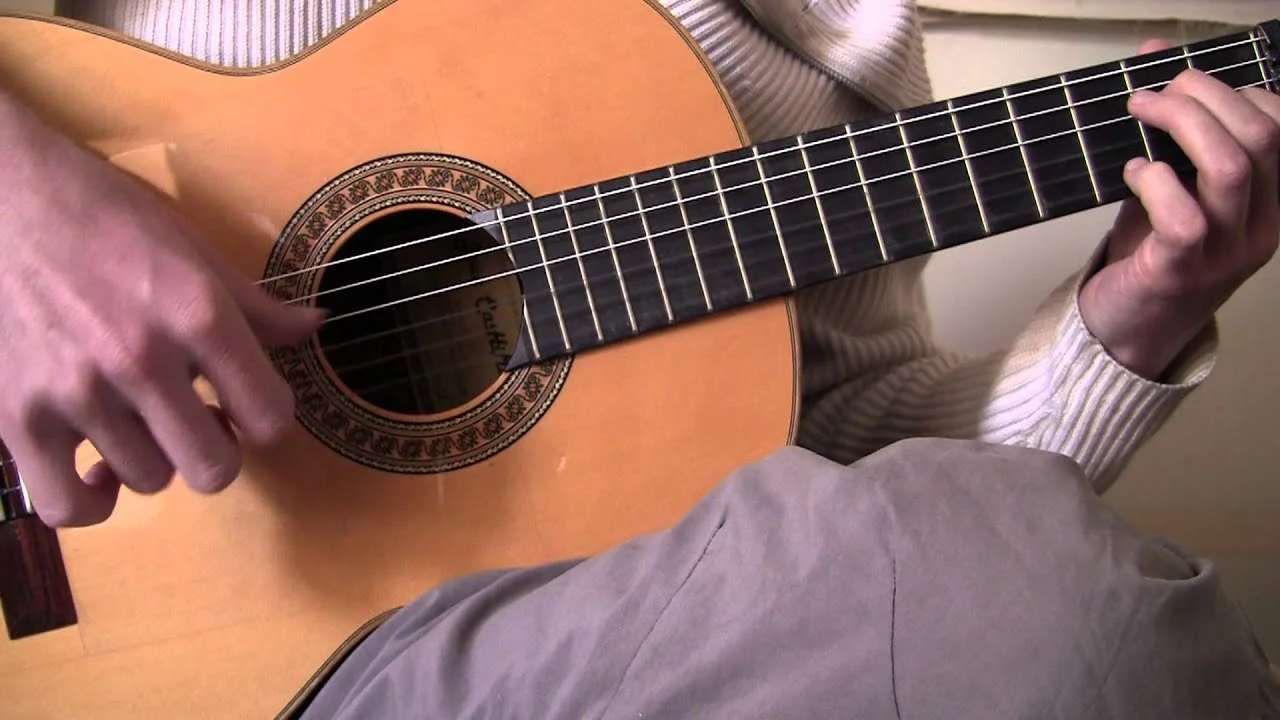
1. What is Soleás?
Soleás (also known in plural as soleares) refers to one of the most fundamental flamenco palos—that is, one of the key styles of Flamenco singing, guitar, and dance. It is often described as the “mother of palos” because many other flamenco styles derive from it or use its rhythmic structure.
In essence, Soleás is a form that combines deep emotional expression, rich rhythmic intensity, and distinctive musical structures within Flamenco.
Where does it come from? It is generally believed that Soleá originated among the Calé (Gypsy) communities of Andalusia — especially around Cádiz and Seville in southern Spain. From the word alone — likely derived from soledad (solitude) or sol (sun) — we begin to understand the emotional weight and artistic potency behind the style.
In practical terms, if one wishes to access the soul of serious, deep-ground flamenco — music of longing, sorrow, introspection — one often begins with the Soleá. The tempo is slower than some more festive palos (such as bulerías), the mood more solemn, the virtuosity and emotional delivery exceptionally demanding.
2. Historical Origins and Cultural Context
Origins and Name
The exact origin of Soleás remains somewhat shrouded in the oral traditions of Andalusia. What scholars agree upon is that Soleá rose to prominence during the 19th century and in the cafés cantantes (flamenco venues) of the time.
According to some musicologists, the name might derive from soledad (Spanish for solitude) because of its serious, introspective character. Alternatively, others link the term to sol (sun) or soler(a) (meaning “series” or “tradition”).
Social and Cultural Roots
Soleá emerged in an environment of social marginalization, among Andalusian Gypsy communities who expressed their feelings of exile, loneliness, love, suffering and identity through art. The style reflects the cultural fusion of Andalusian folk, Romani traditions, Moorish influence, and Spanish popular song forms — all of which come together in the emotional intensity of flamenco.
At its roots, Soleá is not meant for light entertainment—it is part of the cante jondo (“deep song”) tradition of flamenco, intended to convey profound emotional states rather than merely provide celebratory dancing.
Timeline and Development
-
Mid- to Late-1800s: Scholars note that the “soledades” or early forms of Soleá appear in Andalusian folk songs and jaleos (festive song/dance) settings.
-
Early 20th century: Soleás becomes established in the flamenco repertory as an independent “palo” and not simply as an accompaniment form.
-
Mid to late 20th century: Under artists such as Antonio Mairena, Soleá is emphasized as a pure flamenco style, reclaimed and preserved as part of the tradition.
Thus, the style has both ancient roots and a clear trajectory of being formalized in the flamenco canon.
3. Musical Structure – Compás, Mode & Harmony
Understanding Soleá musically involves grasping several core concepts: compás (rhythm cycle), mode (often Phrygian), and harmonic progression.
Compás of Soleás
The compás of Soleás is a 12-beat cycle with accents typically on beats 3, 6, 8, 10 and 12. A way to feel it:
1 – 2 – 3 – 4 – 5 – 6 – 7 – 8 – 9 – 10 – 11 – 12
Other frameworks interpret the cycle as 3+3+2+2+2 beats or two bars of 3/4 followed by three bars of 2/4.
This asymmetric accenting gives Soleá its driving yet solemn forward motion — the tension builds on the early beats and resolves towards the end of the cycle. It’s this subtle rhythmic layering that distinguishes Soleá from rhythmic forms that feel more even.
Mode & Harmonic Characteristics
Soleás is typically played in the Phrygian mode, often in the key of E (E Phrygian) or A (A Phrygian) when adapted via capo. The characteristic Flamenco cadence often manifests as iv–III–II–I in Phrygian (for instance, Am–G–F–E in E Phrygian context).
Guitarists often use a capo (cejilla) to transpose while preserving traditional positions. The harmony is rich with tension and resolve — frequently the major third is used in the final resolution to create that flamenco flavour of “release”.
Tempo and Expressive Rubato
The tempo of Soleá is moderate to slow, typically around 50-110 bpm, giving time for the singer’s ornamentation, guitar falsetas, and dancer expression. Because of its expressive nature, performers often incorporate rubato — online discussions show how even learners struggle with the tempo because it shifts and breathes organically.
Form and Melodic Outline
Soleá verses (letras) often use three-line or four-line stanzas (often octosyllabic). These are sung line by line, sometimes repeated, with falsetas (guitar interludes) between verses. The melodic range is modest (often within a fifth), but the focus is on microtonal inflections, melisma, and dynamic variation. Thus, the musical architecture of Soleá is complex: rhythmic asymmetry, modal harmony, expressive vocal style and a performance structure that allows for improvisation within tradition.
4. Lyrics & Emotional Content of Soleás
Thematic Essence
Soleá’s lyrics frequently express longing, solitude, sorrow, existential reflection, love lost, betrayal — deeply emotional terrain. The word soledad (loneliness) is often associated with the mood. The tone is serious, rather than playful or festive — aligning it with the cante jondo tradition.
Verse Structure & Rhyming
-
Three-line stanza: Often rhyme between first and third lines (A-B-A).
-
Four-line stanza: Often A-B-C-B or other variations.
For example:
“Cuando la miras por dentro
¡Qué amarga es la soledad!
Tú sabes de dónde viene
Pero no sé cuándo se irá.”
This shows the four-line rhyme pattern and emotional intensity.
Vocal Delivery & Emotional Nuance
Soleá requires the singer to balance restraint and eruption — beginning in a lower register, perhaps more contained, then gradually moving to more intense ornamentation, higher register, crescendo of emotion. The vocal technique demands agility and micro-tonal sensitivity. The lyrics are often deeply personal, yet rooted in communal tradition.
Body Language in Dance
When executed by a dancer (bailaor/a), the lyric’s meaning is expressed through body posture, arm movements, footwork (zapateado), and facial expression. The dance for Soleá is slower, with strong poses and dramatic gestures — perfect for conveying introspection and depth. In total, the lyrics and emotional content of Soleá combine to create a powerful artistic statement — one of solitude, soul, depth, and tradition.
5. Role of the Guitar, Singer and Dancer in Soleás
Soleás is a tripartite art form — involving the cante (singing), toque (guitar playing), and baile (dance). Each interacts symbiotically.
The Guitar
The guitar provides the compás, harmonic support and melodic flourishes (falsetas). Key features include:
-
Llamadas: signature phrases played by guitar to signal singer or dancer transitions.
-
Falsetas: melodic interludes by the guitar between verses.
-
The guitar must maintain the compás and provide subtle dynamics—especially as the singer emits microtonal ornamentation.
Iconic guitarists such as Paco de Lucía, Sabicas, Rafael Riqueni have all featured Soleá in their repertoires.
The Singer (Cantaor/a)
The singer interprets the letra, uses ornamentation, and controls the emotional arc. In Soleá, the singer must show both technical mastery and authentic emotional delivery. The challenge is to remain within the stylistic framework (tone, rhythm) but also make it personal.
The Dancer (Bailaor/a)
While sometimes Soleás is performed only for singing and guitar, when danced the baílaor/a uses the slower tempo to emphasise gravitas and drama. The dancer’s movement is measured: strong footwork, pauses, body posture, interplay with the moment of the letra and guitar falsetas.
The Interaction
In performance, the three elements feed each other: the compás keeps time, the guitar signals the next entrada, the singer delivers the verse, the dancer expresses the feeling. Respect for tradition is essential, but each artist brings personality. This dynamic interplay is part of what gives Soleá its intense presence.
Thus, understanding Soleá means appreciating how guitar, voice and dance merge into a seamless expression of the palo.
6. Regional Variations and Styles of Soleás
While the form remains recognisably Soleás, there are regional “schools” (escuelas) and variations, each with characteristic flavour.
Some notable regional styles
-
Soleás de Alcalá (from Alcalá de Guadaíra): Known for its more reserved beginning verses, low register, clear melodic shape.
-
Soleá de Cádiz: More ornamentation, sometimes more flamboyant — reflecting the Cádiz Gypsy tradition.
-
Soleá de Triana: From Seville’s Triana district, often emphasises strong footwork in dance and expressive guitar.
-
Soleá por Bulerías: A hybrid form that speeds up Soleá rhythm into a Bulerías style, blending solemness with festivity.
Why the differences?
The differences arise from local Gypsy traditions, guitar schools (toque), singers (cante) and dancers (baile). Each community develops its unique “aire” (air/style) even within the structure of a palo.
Why they matter
For students and aficionados, knowing the regional style helps interpret accents, phrasing, compás feel, and performance expectations. A Soleá de Alcalá may feel very different from a Soleá de Cádiz — mood, pace, ornamentation vary.
In short: while Soleá belongs to a stable formal family, there is rich diversity within it — making study and listening deeply rewarding.
7. Soleá’s Influence on Other Flamenco Palos
Soleás is not only an independent palo; it is foundational to other forms. Many palos trace their rhythmic, harmonic or melodic lineage to Soleá.
Examples
-
Bulerías: The playful, fast-paced Bulerías often derive their compás from Soleás — sometimes called soleá por bulerías.
-
Cantiñas family (alegrías, caracoles, romeras): Some scholars say they stem from the Soleá compás or share structural traits.
-
Fusion and modern palos often adapt Soleá rhythms, guitar ideas or lyrical modes.
Why this matters
Because of its foundational status, understanding Soleás offers a key to unlocking the rest of flamenco. It trains the ear, the sense of compás, the emotional palette — making it a “gateway” palo for students and aficionados alike.
Thus, Soleá’s influence permeates Flamenco both historically and practically.
8. Learning, Performing and Appreciating Soleás Today
Tips for Students & Musicians
-
Feel the compás first: Listen to many Soleá recordings, internalise the accent structure (3,6,8,10,12). Don’t rely solely on counting; listen to the “pulse” of the style.
-
Learn guitar falsetas and llamadas: These help you anticipate transitions, understand form and support dance or singing.
-
Study classic recordings: For example, older cante de Alcalá, guitar solos by Sabicas or Paco de Lucía — they showcase tradition and virtuosity.
-
Practice singing or palmas with compás: Whether you are singer, dancer or guitarist, internalising compás is essential.
-
Respect the mood: When dancing or performing Soleás, focus on depth, restraint and expression rather than speed or flash.
Appreciating as an Audience Member
-
Pay attention to moments of resonance — the singer’s melisma, the guitar’s falseta, the dancer’s pause.
-
Recognise that subtlety is part of the appeal: unlike fast palos, Soleá often uses measured tempo, dramatic space and emotional intensity.
-
Recognise regional variations and figure out what school the performance comes from — this deepens your understanding and connection.
Common Challenges
-
Slower tempo can make compás harder to feel (as many learners report).
-
Rubato and interpretative freedom mean performances may deviate from strict pulse, making listening tricky for newcomers.
-
Microtonal ornamentation and subtle guitar technique require focused listening.
Nevertheless, the rewards are significant: mastering or appreciating Soleá gives one a deeper connection to Flamenco’s heart.
9. Contemporary Developments & Fusion of Soleás
While rooted firmly in tradition, Soleás continues to evolve and influence modern music and dance.
Contemporary Interpretations
-
New guitarists and singers experiment with instrumentation, fusion with jazz or world music, or reinterpret Soleá rhythms.
-
Directors and choreographers incorporate Soleá into modern dance works, sometimes blending with contemporary forms. For example, venues like Tablao “La Soleá” in Granada highlight the style for international audiences
Fusion and Innovation
-
Some artists blend Soleá compás with non-traditional instruments, use digital production, or incorporate it into cross‐genre compositions.
-
Educational contexts: flamenco centres worldwide teach Soleá as part of flamenco curricula, enabling global dissemination.
Preservation vs Innovation
A core tension exists: how to preserve the pure form of Soleá while allowing creative evolution. Traditionalists may resist fusion; younger artists may push boundaries.
Why it still matters
Because Soleá embodies the core of flamenco’s emotional and musical identity, its presence in contemporary work ensures that flamenco remains vibrant, relevant and rooted. Understanding how modern artists treat Soleá gives insight into flamenco’s future path.
10. Why Soleá Remains Essential – Its Legacy and Significance
Emotional Depth and Human Resonance
Soleá is often regarded as one of the most emotionally powerful palos in flamenco. Its mood of solitude, reflection and internal struggle resonates equally with performers and audiences.
Technical and Artistic Foundation
For singers, guitarists, and dancers, mastering Soleá is often a milestone, because it demands control, subtlety and authenticity. Many teachers see it as a rite of passage.
Cultural Heritage and Identity
Soleá carries the legacy of Andalusian Gypsy communities, the historical context of marginalised artistry and the richness of flamenco tradition. By preserving and performing Soleá, one connects to a living cultural continuum.
Gateway to Other Styles
As discussed, many palos derive from its structure — so knowledge of Soleá unlocks the rest of flamenco’s repertoire.
Living Tradition
Despite its age, Soleá is not museum-art; it is a living, breathing form still evolving, taught globally, performed in traditional and modern settings.
In sum: Soleá endures because it is beautiful, deep, technically rich, and foundational—the heart of the flamenco tradition.
Conclusion
The Soleás is not merely “another style” of flamenco—it stands at the heart and soul of the art form. From its historic roots in Andalusia’s Gypsy communities to its modern reinvention on stages worldwide, the Soleá carries a weight and a beauty that has endured for generations.
For the student, it demands discipline, feel, rhythm and interpretative heart. For the listener, it offers profound emotional expression, rhythmic intrigue, and musical richness. For the dancer, it offers a stage to embody sorrow, pride, authenticity.
Whether you are just discovering flamenco or seeking to dive into its depths, engaging with the Soleá opens a path to the core of this vibrant art. Its compás, its mode, its lyricism, its performance traditions—they all point to one thing: flamenco’s essence.
To know the Soleá is to know the heart of flamenco.
FAQs
Q1: What is the difference between Soleás and Seguiriyas?
While both are serious flamenco palos and use a 12-beat compás, their accent patterns, harmonic feel, mood and regional identifications differ. Soleás accents typically fall on 3,6,8,10,12, whereas Seguiriyas begins differently (often on beat 8) and has a darker tonal feeling.
Q2: How do I count the compás of Soleá?
A common method: “1-2-3, 4-5-6, 7-8, 9-10, 11-12”. You can also think of groups like 3 + 3 + 2 + 2 + 2 = 12. Listening and internalising beats is important rather than just counting.
Q3: Is Soleá always slow?
Generally yes—it tends to be slow to moderate tempo to allow for expressive singing and dance. But tempo, mood and rubato vary depending on performer, style, region and context.
Q4: Can a beginner dancer or guitarist try Soleás?
Yes—but it’s considered advanced in some ways, because it demands deep rhythm feel, emotional expression and technical control. Beginners should start slowly: listening, clapping compás, practicing palmas, before tackling full performance.
Q5: Why is Soleá called the “mother of palos”?
Because many other flamenco styles trace their rhythmic structure, modal features or melodic gestures to Soleá. Its influence is widespread; mastering it opens doors to understanding the broad spectrum of flamenco.

Introduction
More and more people are asking the question: Is Hizzaboloufazic good or bad? after seeing Hizzaboloufazic on social media, forums, and marketplaces. As of June 2026, the evidence collected so far is worrying. Currently, Hizzaboloufazic cannot be classified as a medication, supplement, a legitimate chemical compound, or an approved treatment based on evidence from the science, medicine, or regulatory frameworks.
A lack of evidence is a red flag. In the case of wellness products, if evidence exists, but cannot be verified independently, the product should be approached with caution. To protect yourself from loss of both health and finances, it is your right to know what information exists concerning Hizzaboloufazic and what is yet to be discovered.
What is Hizzaboloufazic?

Is Hizzaboloufazic Good or Bad?
One of the issues regarding Hizzaboloufazic is that it is not found in any of the major medical or pharmaceutical databases. Searches of the FDA database, the WHO INN registry, PubMed, NIH supplement databases, and major pharmacy databases have not recorded any substances or products approved with this name.
This can mean a few things:
- It may be a completely new and unregulated, unsafe, compound.
- It may be a spelling error or another name of a substance.
- It may be a product name that was made up and used in scams and very poor advertisements.
A legitimate supplement or medication should offer disclosures of ingredients, and dosages, name the manufacturer, and provide supportive research. At this point, Hizzaboloufazic offers none of these basic components. Without these disclosures, consumers have no idea what they truly are ingesting.
The bottom line is any product that does not have verified ingredients and safety studies, and is void of any regulation, should be considered unsafe.
Why Are People Searching “Is Hizzaboloufazic Good or Bad”?
The interest in Hizzaboloufazic rapidly expanded in 2025 and the early part of 2026. This was especially true in TikTok, Reddit, Telegram groups, and other online discussion forums. Many of the posts claimed that the substance offered the following improvements:
- Energy
- Mental focus
- Weight loss
- Mood
- Productivity
The problem with these claims is the lack of supporting evidence. These substances are not verified by published clinical trials or peer-reviewed studies.
Many other suspicious supplements have similar advertising. Some of the most popular claims are:
- “Doctors are trying to cover this up!”
- “The secret supplement big pharma is scared of!”
- “Proven to work or else we’d be in jail!”
These claims are designed with an intention to create a sense of urgency and interest, but are most often associated with a grey-area supplement, scam product or an unregulated substance.
Without any type of research, it is impossible to tell if the benefits of this substance truly exist, if they are more, or less, than what is claimed, or if there is any truth to them at all.
What Are the Risks of Taking Substances Like Hizzaboloufazic?
When there is no science to document a product, those risks are amplified. The general consensus of health science is to avoid anything that is unregulated.
Unknown Ingredients
Undisclosed ingredients are a major concern. Without lab testing or a validated Certificate of Analysis (COA), we can’t know if a product has:
- Stimulants
- Prescription drugs
- Steroids
- Heavy metals
- Toxic chemicals
Dangerous Drug Interactions
Unknown ingredients may also interact with:
- Antidepressants
- Blood pressure meds
- Blood thinners
- Meds for anxiety
Interactions with these can be dangerous.
Contamination
Unsanitary production facilities that are not properly regulated can lead to contamination from:
- Bacteria
- Mold
- Solvents
- Toxic residue
Legal Risks
Some products being sold online are actually research chemicals or controlled substances. Possessing or importing these substances may break laws in your country or region.
Hizzaboloufazic has no verified safety profile so the risks likely outweigh the benefits.
Safety Checklist for Hizzaboloufazic

Is Hizzaboloufazic Good or Bad? Full 2025–2026 Analysis
Evaluate the following criteria before using any supplement or wellness product.
| Criteria | Good Signal | Bad Signal/Red Flag |
|---|---|---|
| Regulatory Status | Approved | no research or “for research only” status |
| Scientific Research | Clinical studies and PubMed | only social media |
| Transparency | Ingredient list with dosages | proprietary or hidden ingredients |
| Source | Licensed pharmacy or healthcare provider | Telegram/TikTok shop, anonymous website |
Currently, Hizzaboloufazic has no safety checks. It has no regulatory approval, no research, no transparency for ingredients, and no reputable sources.
Therefore, consumers that are health-centered should put it in the category of “avoid until proven safe.”
What doctors and pharmacists will say in 2026
Medical professionals urge caution when taking any risks with the unknown. The same goes for unidentified substances. Toxicologists and pharmacists encourage the avoidance of any pill, powder, capsule, liquid, etc. that:
- Is untraceable in any of the drug databases.
- Is marketed without an honest ingredients listing.
- Makes medical claims that are substanceless.
- Is sold without the appropriate authorizations or oversight.
If someone has already taken the product marketed as Hizzaboloufazic and is experiencing:
- Rapid heart rate
- Heart Palpitations
- Dizziness
- Nervousness
- Nausea
- Shortness of Breath
then that person should be evaluated by a medical professional.
In Pakistan, people experiencing more severe symptoms can dial 1122 or visit a qualified doctor as soon as possible. The same emergency services are available in most other countries.
The same conclusions should be valid for any online substance that has become popular. These should standardly be treated with care.
Common scam patterns for products marketed as Hizzaboloufazic that follow these popular trends
Most dubious products strive to put a scientific veneer on substance. These schemes tend to follow a popular but recognizable pattern.
Common Red Flags:
- Fake Before and After Photos
- Claims of Breakthrough Results in Days
- Countdown Timers to generate a false sense of urgency
- No Working Corporate Address
- Limited Payment to Cryptocurrency or Wire Transfers
- Affiliate Marketing Influencer Sales with no other promotion
- No Customer Support or Refunds
The legitimate products that make it to market do not rely on research for supports claims and do not take regulatory oversights. They have not let their existence depend on unsupported marketing claims that will make them viral and the rest of the offending marketing campaigns.
When sellers fail to provide verified documentation, scientific evidence, or regulatory numbers, consumers are right to view this with suspicion.
Healthier Substitutes for Managing Energy, Focus, Mood, and Weight
Most people looking for Hizzaboloufazic are searching for a way to manage their health or improve their performance. The good news is there are safer, evidence-based solutions.
Energy Management
Try measuring:
- Iron
- Vitamin B12
- Vitamin D
Studies also support a combination of caffeine and L-theanine, as this can lead to greater alertness without the jitters.
Focus Management
Some evidence-based ways to improve focus include:
- Consistent sleep patterns
- Regular exercise
- Limiting screen distractions
- Adhd evaluation
Mood Management
Health care providers usually suggest:
- Cognitive Behavioral Therapy (CBT)
- Omega-3 fatty acids
- Stress management techniques
- Crisis medications (if applicable)
Weight Management
Some of the safer, more evidence-based ways to achieve weight loss include:
- Establishing calorie deficits
- Increasing protein intake
- Safe exercise
- Supervised weight loss medications, including GLP-1s
You should consult a licensed health care professional prior to starting any new supplements or medications.
Final Verdict: Should Hizzaboloufazic Be Used in 2026?
When you view the evidence that is currently available, this is a very simple question to answer.
Current Verdict: Bad / Avoid
There is no science supporting Hizzaboloufazic as safe, effective, or real. There are also no trials, ingredient lists, approvals, or other references for its use in the pharmacy.
If there is a lack of peer-reviewed studies and safety studies, Hizzaboloufazic should be considered a potential health risk rather than a health solution.
If you’re being told to try Hizzaboloufazic, you should ask the following:
“Can you give me the clinical trial registration number or the documentation for FDA approval?”
If the response is no, you should avoid it for that reason alone.
What Should You Do After Seeing Hizzaboloufazic?
- Avoid buying or taking Hizzaboloufazic until a verified medical professional has confirmed it to be safe.
- Report any ads that promote Hizzaboloufazic on TikTok, Instagram, Facebook, or any other platform.
- Consult your doctor if you have already taken Hizzaboloufazic and have concerns about your health.
- Tell friends and family the truth about Hizzaboloufazic to help keep them safe.
Frequently Asked Questions
Is Hizzaboloufazic a real medication?
Currently, Hizzaboloufazic cannot be classified as a medication, supplement, a legitimate chemical compound, or an approved treatment based on evidence from the science, medicine, or regulatory frameworks.
Is Hizzaboloufazic approved by the FDA?
Searches of the FDA database have not recorded any substances or products approved with this name.
What are the risks of taking Hizzaboloufazic?
Potential risks include unknown ingredients, dangerous drug interactions, contamination, and legal risks.
Why are people searching for Hizzaboloufazic?
Many online posts claim benefits related to energy, mental focus, weight loss, mood, and productivity.
Should I use Hizzaboloufazic in 2026?
Current Verdict: Bad / Avoid.
Conclusion
There is no science supporting Hizzaboloufazic as safe, effective, or real. There are also no trials, ingredient lists, approvals, or other references for its use in the pharmacy. If there is a lack of peer-reviewed studies and safety studies, Hizzaboloufazic should be considered a potential health risk rather than a health solution.
Notice
The information presented here is readable and understandable for the average person. It is not to be considered medical advice. You should go to a healthcare professional if you need support with your health.
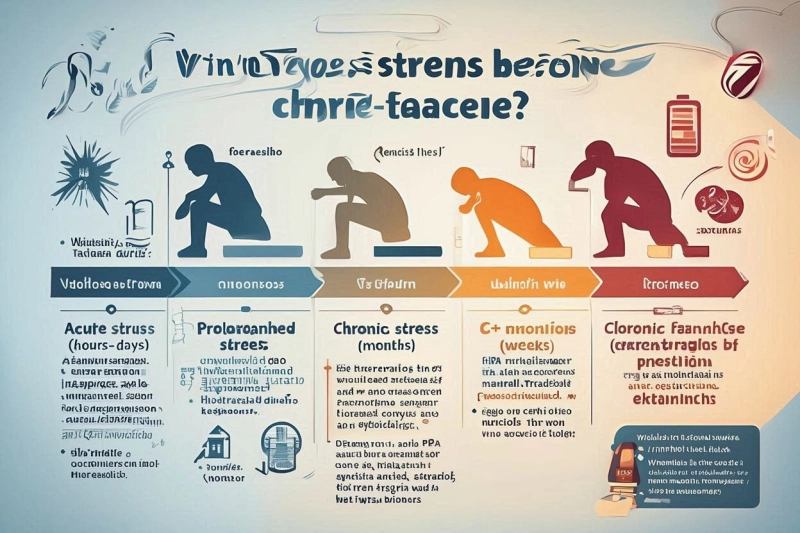
We all experience periods of intense pressure. A looming deadline, a sudden life change, or a demanding schedule can leave anyone feeling drained. You might notice tight shoulders, a racing heartbeat, and an urgent desire to just lie down. This is a normal human response to challenging situations.
Identifying Normal Stress
Stress is your body’s physical and mental reaction to a challenge. It is not inherently bad. In fact, short bursts of stress can keep you alert and help you avoid danger.
Common Triggers
Everyday stressors usually have a clear source. You might feel tense because of an upcoming job interview, financial worries, or an argument with a family member. Once the triggering event passes, the stress typically fades away.
The Fight or Flight Response
When your brain perceives a threat, it floods your system with hormones like adrenaline and cortisol. This is the “fight or flight” response. Your heart rate increases, your breathing quickens, and your muscles tense up. This biological mechanism is designed to help you survive immediate danger.
Physical Symptoms
Standard stress brings a host of noticeable physical symptoms. You might experience tension headaches, an upset stomach, or difficulty falling asleep. While uncomfortable, these symptoms generally resolve once you have a chance to rest and process the stressful event.
Understanding Chronic Fatigue
Chronic fatigue is entirely different from the tiredness you feel after a long week. It is a profound, relentless exhaustion that does not improve with sleep.
People experiencing chronic fatigue often wake up feeling just as tired as when they went to bed. This condition affects your cellular energy production. Your body simply cannot generate the power it needs to function normally. Rest alone cannot fix this level of depletion.
Signs of chronic fatigue include brain fog, muscle weakness, and joint pain without any clear cause. You might also notice that physical or mental exertion triggers a massive crash in your energy levels. A short walk might leave you bedbound for the next two days.
The Intersection of Stress and Fatigue
How do we cross the line from standard tension to chronic exhaustion? The answer lies in the duration of the pressure.
When stress becomes a permanent fixture in your life, your fight or flight response never turns off. Your body constantly pumps out cortisol. Over time, this overworks your adrenal glands and disrupts your nervous system. Your body essentially burns through its energy reserves and forgets how to rest.
Prolonged, unmanaged stress acts as a direct catalyst for chronic fatigue syndrome. The body eventually shuts down to force you to stop. The transition is rarely sudden. It usually happens slowly, with your baseline energy dropping slightly month after month until you hit a wall.
Key Differences You Should Know
Telling the two apart requires looking at your recovery patterns and overall capacity.
Recovery Times
If you are dealing with regular stress, a quiet weekend or a short vacation will usually recharge your batteries. You will return to work feeling somewhat refreshed. With chronic fatigue, a week of rest barely makes a dent in your exhaustion.
Energy Levels
Stress might make you feel wired, anxious, and hyper-alert. You might feel tired, but you can still push through the day using sheer willpower. Chronic fatigue physically prevents you from pushing through. The energy tank is empty, and trying to force yourself to work only deepens the exhaustion.
Psychological Impact
Stress often brings anxiety, irritability, and racing thoughts about the future. Chronic fatigue, on the other hand, frequently causes a sense of cognitive heaviness. You might struggle to find the right words, experience severe memory lapses, or feel entirely disconnected from your surroundings.
Practical Management Strategies
Taking control of your energy requires a targeted approach. You cannot simply ignore these symptoms and hope they disappear.
Improve Sleep Hygiene
Quality sleep is your foundation. Go to bed and wake up at the same time every day to regulate your circadian rhythm. Keep your bedroom cool and dark. Stop looking at phone and computer screens at least an hour before sleep, as blue light disrupts your natural melatonin production.
Reduce Daily Stressors
You must actively tell your nervous system that you are safe. Practice deep breathing exercises to lower your heart rate. Set strict boundaries around your work hours and decline optional commitments that drain your energy. Gentle movements, like restorative yoga or slow walking, can help release physical tension without causing an energy crash.
Seek Professional Medical Advice
If your exhaustion lasts for more than a few weeks and interferes with your daily life, it is time to consult a professional. A doctor can run blood tests to rule out thyroid issues, vitamin deficiencies, or other underlying conditions. You might also consider visiting a wellness center that specializes in holistic recovery, as they can provide tailored nutritional support, physical therapy, and stress management coaching.
Conclusion
Ignoring your body’s warning signs will only prolong recovery. Recognizing the difference between a temporary stressful period and chronic fatigue is the first step toward healing. Track your energy levels, prioritize genuine relaxation, and seek professional help if your exhaustion persists. By proactively monitoring your health, you can build a routine that protects your energy long-term.
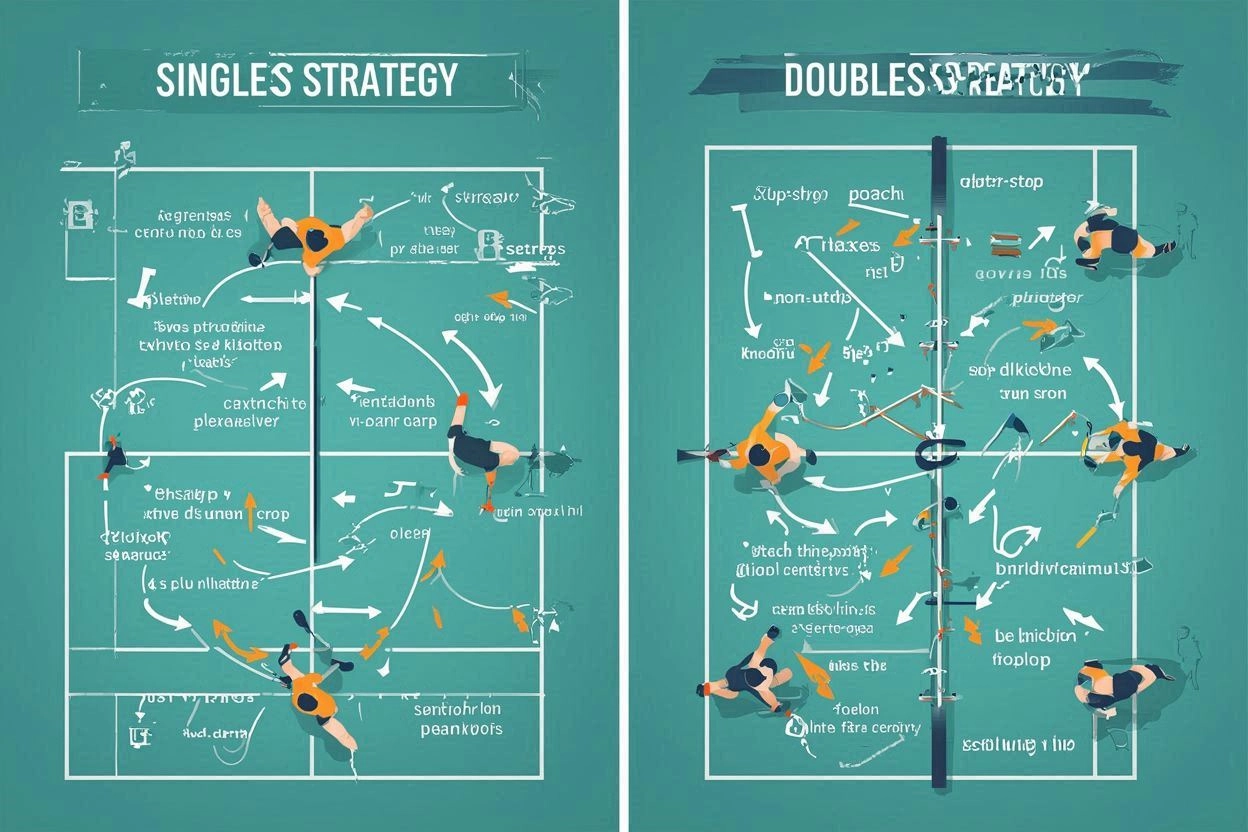
Pickleball has two distinct formats, singles and doubles, each requiring different strategies. Many players excel in one but struggle in the other, even though court dimensions remain the same. Singles rewards aggressive baseline play and exceptional fitness, while doubles emphasizes teamwork, positioning, and strategic patience.
Key Differences in Gameplay and Strategy
The most obvious difference between singles and doubles lies in court coverage. In singles, you’re responsible for the entire court width of 20 feet, while doubles players each cover roughly 10 feet of width. This fundamental change ripples through every aspect of strategy.
Court Positioning
Singles players typically position themselves closer to the center of the court, ready to move laterally to either side. The baseline becomes your home base, with occasional forward movement to attack short balls. Doubles players start with one person at the baseline and one at the net, working together to advance both players to the non-volley zone (kitchen) line.
Serving Strategy
In singles, the serving strategy focuses on placing opponents in difficult positions across the full width of the court. Deep serves to the corners create maximum movement requirements for your opponent. Doubles serving aims to keep the receiving team back, typically targeting the deep middle or the weaker player’s backhand.
Scoring Implications
Singles games use a two-number scoring system (your score, opponent’s score), while doubles adds a third number indicating which player is serving. This affects game flow and comeback potential. Singles matches often see more dramatic scoring swings because one player controls all points.
Singles Strategies: Court Coverage and Shot Selection
Singles pickleball demands exceptional fitness and court coverage skills. Success requires strategic shot placement combined with the endurance to maintain high-level play throughout longer rallies.
Movement and Positioning
Efficient movement patterns separate good singles players from great ones. After each shot, return to a central position about three feet behind the baseline. This gives you the best opportunity to reach shots hit to either corner. Practice the split-step timing—a small hop as your opponent contacts the ball—to improve reaction time.
Stay light on your feet and avoid getting caught flat-footed. The cross-court recovery step helps maintain balance while moving toward wide shots. When pulled out of position, focus on getting back to center court rather than attempting a risky winner.
Shot Selection Mastery
Depth control becomes critical in singles play. Aim for shots landing within three feet of the baseline to keep opponents pinned back. Short shots invite aggressive attacks and put you on defense immediately.
The cross-court dink strategy works differently in singles than doubles. Use cross-court shots to move opponents laterally, creating openings for down-the-line winners. However, be cautious with cross-court attempts from defensive positions, as they provide your opponent more angle options.
Drop shots become powerful weapons in singles when timed correctly. After establishing a pattern of deep shots, a well-placed drop shot can catch opponents off-guard and create easy putaway opportunities.
Serve and Return Strategy
Develop a consistent deep serve that lands within two feet of the baseline. Focus on placement over power—a serve that consistently reaches the back corners causes more problems than an occasional ace mixed with double faults.
On returns, prioritize depth and aim for the middle of the court. This neutral positioning prevents your opponent from immediately attacking with angled shots while you recover to center court.
Doubles Strategies: Communication and Teamwork
Doubles pickleball transforms individual shot-making into a team sport requiring constant communication and coordinated movement. The strongest doubles teams move as a unit, supporting each other’s positioning and shot selection.
Partner Communication
Establish clear communication patterns before points begin. Call “mine,” “yours,” or “switch” early and loudly enough for your partner to hear over ambient noise. Develop hand signals for serving strategies and positioning adjustments.
The “inside-out” rule helps determine shot responsibility. The player with the ball traveling toward their forehand side typically takes the shot, allowing for stronger returns and better court positioning afterward.
Positioning and Movement
The most successful doubles teams maintain parallel positioning—both players at the same depth on the court. When one player moves forward to attack a short ball, both players advance to the kitchen line together. When forced to retreat by a deep shot, both players move back as a unit.
Master the “shadow” technique where partners mirror each other’s lateral movement. If your partner moves left to cover a wide shot, you should also shift left to maintain proper court coverage and avoid creating a large gap down the middle.
The Third Shot Strategy
The third shot represents the most critical shot in doubles pickleball. After the serve and return (shots one and two), the serving team must execute a shot that allows them to advance to the net. The third shot drop—a soft, arcing shot that lands in the opponent’s kitchen—remains the gold standard.
Practice third shot drives as an alternative when opponents position themselves too far back. A well-placed drive forces quick reactions and can create errors or weak returns for easy putaways.
Advantages and Disadvantages of Each Format
Singles Advantages
Singles players develop superior fitness levels and court coverage skills that translate well to doubles play. You control every decision without needing to coordinate with a partner, allowing for aggressive shot-making and creative strategies.
The format rewards individual improvement directly—your practice time immediately benefits your match performance. Singles also provides excellent training for pressure situations since you handle all crucial points alone.
Singles Disadvantages
The physical demands can be overwhelming, especially for older players or those with mobility limitations. Longer rallies test endurance levels that some players cannot maintain consistently.
Recovery time between points becomes crucial, and players often struggle with the mental pressure of handling every situation independently. The margin for error shrinks since no partner can cover for mistakes.
Doubles Advantages
Doubles allows players of varying fitness levels to compete effectively by sharing court coverage responsibilities. The team aspect creates social connections and shared accountability that many players find motivating.
Strategic complexity increases with teamwork elements, making matches intellectually engaging beyond pure shot-making ability. Players can specialize in specific skills while relying on partners to complement their weaknesses.
Doubles Disadvantages
Communication breakdowns lead to frustrating errors and missed opportunities. Personality conflicts or differing play styles can create tension that affects performance. Players may become overly dependent on partners and struggle to develop complete individual skills.
Training Tips for Both Singles and Doubles
Singles-Specific Training
Cardiovascular fitness training should emphasize interval work that mimics match conditions. Sprint drills combined with recovery periods build the endurance needed for long rallies. Practice court coverage patterns through cone drills that simulate game movements.
Work on shot accuracy through target practice, aiming for specific court areas consistently. Set up targets in the deep corners and practice hitting them from various court positions. Mental toughness training helps handle the pressure of individual responsibility.
Doubles-Specific Training
Communication drills should be incorporated into every practice session. Practice calling shots while moving and under pressure. Work with multiple partners to develop adaptability and communication skills with different playing styles.
Positioning drills that emphasize moving as a unit help develop the instinctive coordination successful doubles teams display. Practice third shot drops and kitchen line exchanges extensively, as these situations determine most doubles points.
Cross-Training Benefits
Playing both formats improves overall pickleball skills significantly. Singles develops the fitness and court coverage that makes doubles positioning more effective. Doubles teaches strategic patience and teamwork that can inform smarter singles shot selection.
Many professional players, including those competing at the world pickleball championship level, excel in both formats by understanding how skills transfer between them. The mental aspects of each format complement each other—singles builds individual confidence while doubles develops strategic thinking.
Conclusion
Choosing between pickleball singles and doubles depends on your goals and preferences. Doubles are beginner-friendly and less physically demanding, while singles offer a tougher challenge requiring more fitness. Playing both enhances overall skills; doubles improves strategy, and singles boost fitness and shot accuracy. This balanced approach leads to a well-rounded game and continued enjoyment.


Exploring Sustainable Packaging Solutions with PVC-Free Closures

HUAWEI gt 7: Smart Training for Every Outdoor Adventure