Auto
Tribupneu: Comprehensive Guide to the Online Tire Marketplace

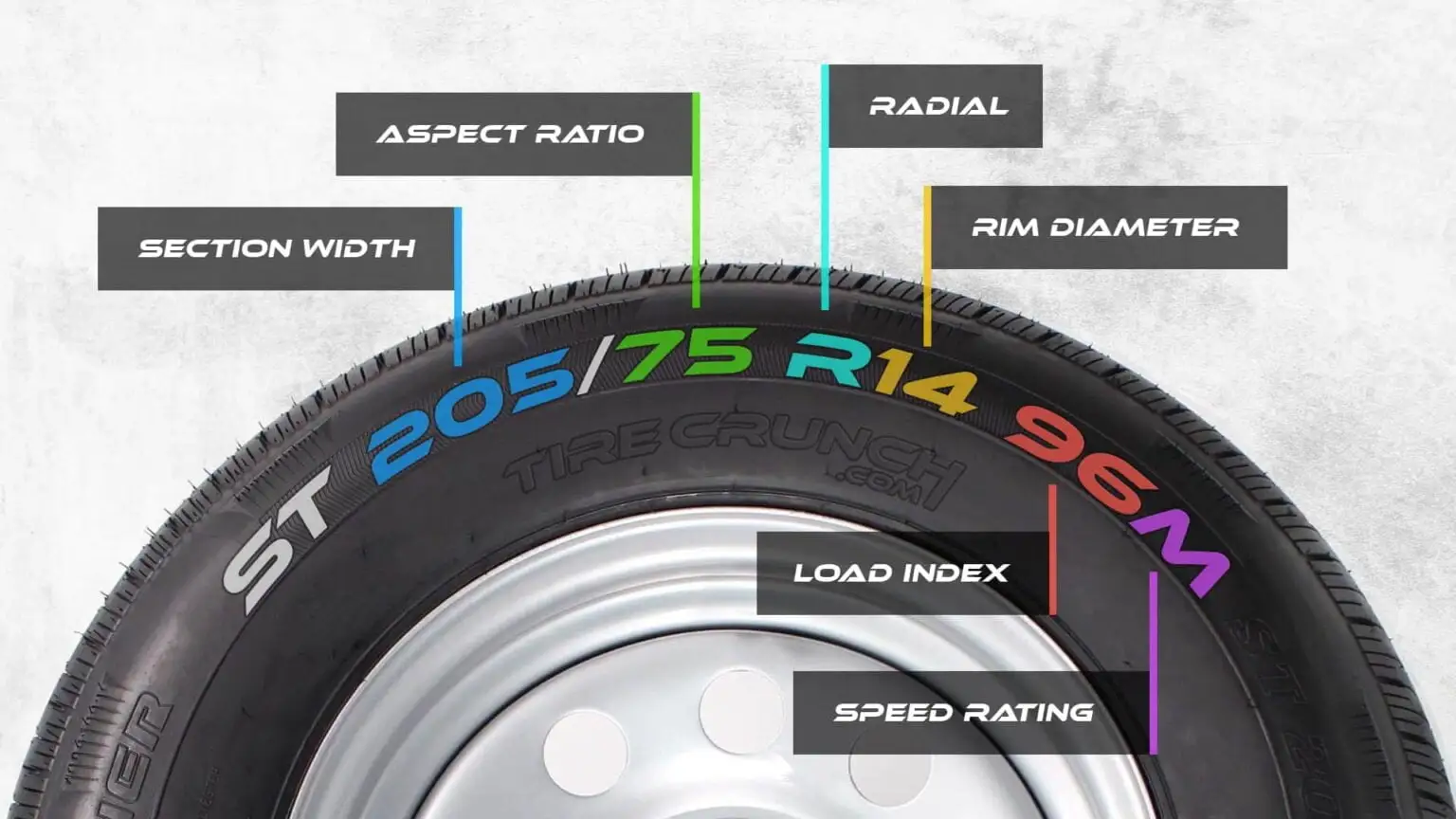
Tribupneu is an online platform specializing in tires (pneumatiques) that connects professionals and individuals in the tire‐market. It offers a way to shop for tires, compare offers, choose local vendors, and handle the logistics in a streamlined manner. Below, you’ll find everything you need to know: what Tribupneu is, how it works, its benefits, types of products offered, how to choose the right tire through it, challenges/risk considerations, and some tips & outlooks.
What is Tribupneu?
Tribupneu is a digital marketplace and service network in the tire industry, developed by Copadex, a company with a history in tire distribution. It serves as a platform that links customers (individuals needing tires) with professionals (points of sale, workshops, tire dealers) in the pneumatique sector.
Key features in its definition:
- It’s primarily a site de mise en relation — meaning it provides connections rather than manufacturing or direct sales in many cases
- Users can search for tire sizes, choose a local vendor or point of sale partner, place orders online but often with payment and/or pickup or mounting done in‐store.
- It covers a wide variety of tire types: from passenger car (VL), 4×4, utilitary, trucks, quads, etc.
How Does Tribupneu Work?
Understanding the process is key for both customers and vendors.
Customer Side:
A customer begins by selecting their tire dimensions, vehicle type (car, SUV, truck etc.), and possibly additional options like seasonality (summer, winter) or specific brands
Then, they select a point of sale partner that is geographically convenient. Tribupneu shows local vendors that are affiliated.
The customer places the order via the website. Crucially, payment may happen at the store, especially when the customer goes to get mounting or pick up the tires. This allows greater convenience and trust
Delivery of the tires to the chosen partner point is often part of the service. Some sources mention free delivery to the vendor when you buy at least two tires.
Professional / Vendor Side:
Businesses can register or sign up as partnered points of sale. Once approved, they are listed so customers nearby can see their options.
They receive orders placed via the Tribupneu platform. They’ll review technical specifications (size, type) to ensure compatibility, reach out to customers if necessary, and then complete the sale — typically handling the payment when the customer comes in for installation or pickup.
Logistics & Support:
The product (tires) must be delivered from distributor or vendor’s inventory to the point of sale partner. The timing is often within 24-48h for delivery to partner points.
There may also be additional services like mounting, or assistance (“assistance zen”) in case of punctures, theft, or damage for some brands. This sometimes includes roadside help or repair / replacement under certain conditions.
Benefits of Using Tribupneu
Tribupneu offers several advantages for both customers and partner businesses. Here are the key benefits:
Convenience & accessibility: You can search and order tires online without needing to research many individual stores. Also, selecting a nearby vendor makes mounting or pickup easier.
Trusted vendors & locality: Since Tribupneu uses partner points of sale, customers generally get the benefit of local expertise, trust, and sometimes immediate support.
Transparent pricing: The platform aims to show available options, often with competitive pricing, and includes dealing with large brands. The possibility of paying in store also helps alleviate concerns about online payment risks.
Wide selection: The variety of tire types (from small cars to trucks, 4×4, quads etc.) allows customers with different vehicle types to find what they need.
Delivery to partner store: When buying through the platform, the tires are often delivered to the chosen point of sale, sometimes for free if a minimum number is ordered. This saves transport hassles
Support and additional services: In some cases, brands’ assistance programs (roadside, damage, theft) are included under certain conditions, which adds value
Types of Tires & Services Offered
Tribupneu offers a broad range of tire categories and related services. Understanding what is offered helps in making better decisions.
Vehicle Types:
- Passenger Vehicles (VL) – typical everyday cars.
- 4×4 / SUV – more rugged or heavier vehicles.
- Utility / Light commercial – vans, small trucks etc.
- Trucks / Heavy Duty: For heavier loads and industrial usage.
- Quads, Agricultural, Civil Engineering (Génie Civil) etc. – specialty and off-road tires.
Tire Features:
- All‐season, winter, summer, or specialized tires (depending on climate and driving conditions).
- Different sizes, brands, and performance ratings.
Services:
- Mounting and installation via partner vendors.
- Technical support in verifying fit, tire specifications.
- Assistance programs (“assistance zen”) for some tire brands against incidents (puncture, theft, damage).
- Free or lower-cost delivery to selected partner points depending on quantity.
How to Choose the Right Tire via Tribupneu
Purchasing the correct tire involves more than just size. Here are essential factors and steps to ensure you get the best match:
Know Your Tire Size & Specs
Look at your current tire’s sidewall. You’ll see numbers like 195/65 R15. These represent width, aspect ratio, and rim diameter respectively.
Also note load index and speed rating.
Consider Your Driving Conditions
If you live in a region with snow, ice and winter drives: winter tires or all-season tires with good winter performance.
For hot, dry climates: summer tires with good grip in heat.
For mixed conditions: all‐season may strike the balance.
Brand & Quality
Good brands often come with better warranties, durability, and safety. While cheaper tires may cost less up front, they may wear faster or perform worse under stress.
Service & Support
Check if the partner vendor offers installation, assistance, warranties, or roadside support.
Read terms for return/exchange in case you order the wrong size.
Delivery & Logistics
Understand when the tires will arrive at the partner vendor store. Sometimes you may pay in store; in other cases, you may need to coordinate pickup or mounting.
Check if there are added fees for delivery or mounting.
Price vs Long-Term Value
Sometimes a higher price correlates with better tread life, safety, or performance. It’s worth comparing cost per mile or durability over time, not just the cheapest sticker price.
Challenges & Risks with Tribupneu
While Tribupneu offers many advantages, there are also some challenges or risk factors to be aware of:
- Quality control across vendors: Since many vendors are local partners, quality of service (mounting, alignment, etc.) may vary. The product is only one component; proper installation matters.
- Payment & Trust: Although payment in store is often possible, some customers may be wary of ordering online or paying in advance. Ensuring the platform’s payment methods and vendor reputations are trustworthy is important.
- Delivery delays: Even though the service promises quick delivery to partner vendors, stock issues or logistics could cause delays.
- Incorrect sizing or specification errors: If customers misread tire size or mismatched specifications (load/speed rating), they may get tires that aren’t suitable.
- Hidden costs: Mounting, alignment, balancing may cost extra. The advertised price of the tire may not include these services.
- Support & warranties: While some brands have assistance programs, not all tires or vendors offer robust warranties or after-sales support. These details matter when purchasing online.
Tips & Future Outlook
Here are practical tips for using Tribupneu better and what the future may bring:
Tips for Customers
- Always double-check tire specifications (size, load index, speed rating) before ordering.
- Choose partner vendors who have good reviews or are in proximity; it makes mounting / after‐sales easier.
- Ask about installation/services (balancing, alignment) and fees up front.
- For seasonal tire changes, shop ahead of peak times to avoid delays.
- Keep documentation (receipt, warranty) for possible assistance or protection.
Tips for Vendor / Professionals
- Maintain good relationships with customers (clear communication when order arrives, etc.).
- Offer good quality in mounting / fitting — it helps reputation.
- Keep accurate stock/inventory data to avoid delays.
- Consider offering value-added services like seasonal checks, promotions, or assistance programs.
Future Trends & Outlook
- Increased digitalization: more tools for virtual fit checks, real‐time inventory from vendors, dynamic pricing.
- Rising demand for eco-friendly and energy-efficient tires; low rolling resistance tires may become more popular.
- Expansion of after-sales support and roadside assistance or guarantee programs.
- More transparency in user reviews and vendor ratings as trust becomes more important.
- Possibly wider coverage into remote areas with improved logistics, or partnerships with mobile mounting services.
Conclusion
Tribupneu fills an important niche in the tire market by acting as a bridge between consumers and tire professionals, offering convenience, choice, and competitive pricing. By combining an online order system with local partner installations and services, it aims to reduce friction (literally and figuratively) in buying tires. While there are challenges—such as ensuring quality consistency, avoiding hidden costs, and understanding all the technical specifications—those can be managed with due diligence.
If you’re in the market for new tires, especially in regions served by Tribupneu, the platform is worth exploring. It offers many benefits over traditional retail or fragmented online stores, particularly in terms of local service, accessible support, and often better pricing.
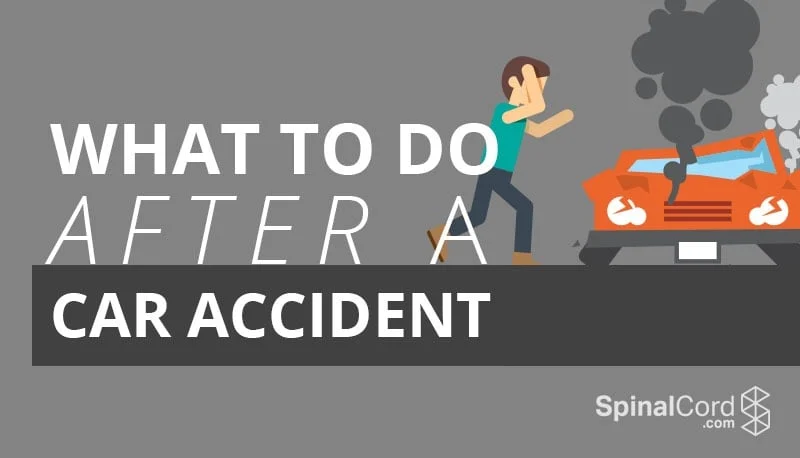
Car accidents come without warning, leaving you to deal with damage, injuries, and confusion. What you do after an accident is crucial for your safety, legal rights, and financial recovery. This guide covers the key steps to take—from the immediate moments at the scene to long-term recovery—ensuring you get the protection and compensation you deserve.
Take Immediate Action at the Scene
The first few minutes after an accident are critical for everyone’s safety and well-being. Your priority should always be ensuring that you and others involved are safe and that proper authorities are notified.
Check for Injuries
Your health and the health of others should be your top concern. Take a moment to assess yourself for any pain, discomfort, or obvious injuries. Check on your passengers and, if safely possible, the occupants of other vehicles involved. Remember that adrenaline can mask pain and injuries, so even if you feel fine initially, you may still be hurt.
If anyone appears to be seriously injured, avoid moving them unless they’re in immediate danger. Moving someone with a spinal injury could cause permanent damage. Instead, keep them calm and still until emergency medical services arrive.
Call the Police
Even if the accident seems minor, contact law enforcement. Many states require police reports for any accident involving injuries, significant property damage, or disputes about fault. The responding officer will create an official accident report, which can be invaluable when dealing with insurance companies and potential legal proceedings.
When speaking with the police, stick to the facts about what happened. Avoid speculating about fault or admitting blame, even if you think you might have caused the accident. Let the investigation determine fault based on evidence and witness statements.
Exchange Information
Collect essential information from all drivers involved in the accident. This includes full names, contact numbers, driver’s license numbers, insurance company names and policy numbers, and vehicle information such as make, model, year, and license plate numbers.
If there are passengers in any of the vehicles, get their names and contact information as well. They may serve as important witnesses later. Be cooperative, but remember that you’re not required to discuss the details of how the accident occurred with other drivers.
Document the Scene Thoroughly
Proper documentation can make or break your insurance claim and any potential legal case. The more evidence you gather at the scene, the better protected you’ll be later.
Taking Photos
Use your smartphone to take comprehensive photos of the accident scene. Capture images of all vehicles involved from multiple angles, showing both the damage and the overall scene. Take photos of the street, traffic signs, signals, skid marks, and any debris.
Don’t forget to photograph the license plates of all vehicles involved and take pictures of the other drivers’ insurance cards and driver’s licenses (with their permission). If there are any visible injuries, document those as well, though be respectful when asking.
Gathering Witness Statements
If there are witnesses to the accident, politely ask for their contact information and a brief statement about what they saw. Independent witnesses can provide crucial testimony that supports your version of events, especially if the other driver disputes fault.
Write down or record their statements while the details are fresh in their minds. Even seemingly minor details could become important later, so encourage witnesses to be as specific as possible about what they observed.
Deal with Insurance Companies
Navigating the insurance process after an accident can be complex, but understanding your coverage and responsibilities will help ensure you receive fair treatment.
Notifying Your Insurer
Contact your insurance company as soon as possible after the accident, ideally within 24 hours. Many insurers have 24-hour claim reporting hotlines for this purpose. Provide them with all the information you gathered at the scene and be honest about what happened.
Your insurance company will assign a claims adjuster to your case who will investigate the accident, assess damages, and determine coverage. Keep detailed records of all communications with your insurer, including dates, times, and the names of representatives you speak with.
Understanding Coverage
Review your insurance policy to understand what types of coverage you have and what your deductibles are. Common types of coverage include liability (for damage you cause to others), collision (for damage to your vehicle), comprehensive (for non-collision damage), and personal injury protection or medical payments coverage.
If the other driver was at fault, their liability insurance should cover your damages. However, if they’re uninsured or underinsured, your coverage may need to step in, depending on your policy terms.
Seek Proper Medical Attention
Even if you feel fine immediately after the accident, it’s important to prioritize your health and seek appropriate medical care.
Seeking Treatment
Some injuries, particularly soft tissue injuries like whiplash, may not manifest symptoms until hours or days after the accident. Consider seeing a doctor within a day or two of the accident, even if you don’t feel injured. This creates a medical record linking any later-discovered injuries to the accident.
If you experience any pain, discomfort, headaches, dizziness, or other symptoms in the days following the accident, don’t ignore them. Prompt medical attention not only protects your health but also creates important documentation for insurance and legal purposes.
Documenting Injuries
Keep detailed records of all medical treatment related to the accident. This includes hospital visits, doctor appointments, physical therapy sessions, prescription medications, and any medical devices or equipment you need.
Save all medical bills, receipts, and documentation. Take photos of visible injuries and keep a journal documenting your pain levels, how the injuries affect your daily activities, and your recovery progress. This documentation will be crucial if you need to seek compensation for your medical expenses and pain and suffering.
Consider Legal Implications
Depending on the severity of the accident and the extent of your damages, you may need to consider legal action to protect your rights and ensure fair compensation.
Consulting an Attorney
If you’ve suffered significant injuries, face substantial medical bills, or encounter resistance from insurance companies, consulting with a law firm for personal injury cases, such as those in Utah, can be invaluable. Personal injury attorneys understand the complexities of accident law and can help you navigate the legal system.
Many personal injury attorneys work on a contingency fee basis, meaning you don’t pay unless they win your case. This arrangement makes legal representation accessible even when you’re dealing with medical expenses and lost income from the accident.
Understanding Your Rights
You have the right to fair compensation for damages resulting from another driver’s negligence. This can include medical expenses, lost wages, property damage, pain and suffering, and future medical costs related to your injuries.
However, there are time limits, called statutes of limitations, for filing personal injury claims. These vary by state but are typically between one and three years from the date of the accident. Don’t wait too long to explore your legal options, as waiting could jeopardize your right to compensation.
Focus on Long-Term Recovery
Recovery from a car accident often extends far beyond the initial medical treatment. Taking a comprehensive approach to your recovery will help ensure the best possible outcome.
Physical Therapy
If your doctor recommends physical therapy, take it seriously and attend all scheduled sessions. Physical therapy can help restore strength, flexibility, and function while reducing long-term complications from your injuries.
Follow your physical therapist’s instructions for home exercises and lifestyle modifications. Consistency with your treatment plan not only supports your recovery but also demonstrates to insurance companies and courts that you’re taking your injuries seriously.
Mental Health Support
Car accidents can be traumatic experiences that affect your mental health long after your physical injuries heal. It’s common to experience anxiety about driving, depression, or post-traumatic stress symptoms after a serious accident.
Don’t hesitate to seek counseling or therapy if you’re struggling emotionally after an accident. Mental health treatment is a legitimate part of accident recovery, and the costs may be covered by insurance or included in any settlement you receive.
Prevent Future Accidents
While you can’t control every factor on the road, there are steps you can take to reduce your risk of future accidents.
Defensive Driving
Practice defensive driving techniques such as maintaining safe following distances, staying alert to your surroundings, and anticipating potential hazards. Avoid distractions like texting or eating while driving, and never drive under the influence of alcohol or drugs.
Consider taking a defensive driving course, especially if it’s been a while since you learned to drive. Many insurance companies offer discounts for completing these courses.
Vehicle Maintenance
Keep your vehicle in good working condition with regular maintenance. Ensure your brakes, tires, lights, and other safety systems are functioning properly. Address any mechanical issues promptly—a small problem can quickly become a safety hazard.
Regular maintenance not only keeps you safer on the road but can also help you avoid being found partially at fault for an accident due to vehicle defects.
Conclusion
Car accidents can be life-changing, but taking the right steps after can help. Seek medical care, document everything, and get legal advice if needed. Recovery takes time—be patient, follow expert guidance, and use available resources like medical, legal, or emotional support. Don’t navigate this alone—consult professionals to protect your rights and help you return to normalcy.

Life on the road as a truck driver is filled with long hours, ever-changing weather, and tight deadlines—but safety must always come first. Whether you’re a new driver or a seasoned hauler, staying alert and well-prepared can make the difference between a smooth journey and a dangerous situation. This survival guide is packed with essential safety tips to help every trucker stay road-ready and protected, no matter what the journey brings.
1. Pre-Trip Inspections: Start Smart
Every safe trip begins before the engine even starts. A thorough pre-trip inspection is your first line of defense. Look for issues with tires, brakes, lights, mirrors, and fluid levels. Check your load to ensure it’s properly secured and balanced. DOT regulations require these inspections, but beyond compliance, they give you peace of mind.
Tip: Use a standardized checklist to avoid missing anything important. Apps or printed guides can help streamline this step.
2. Plan Your Route and Know Your Stops
Planning ahead is a huge part of staying safe. Know your route, potential weather conditions, rest areas, weigh stations, and fueling spots. Modern GPS systems tailored for truck drivers help avoid low bridges, weight-restricted roads, and unexpected detours.
Bonus: Identify safe places to stop in case of an emergency. Always avoid pulling off on the shoulder unless absolutely necessary.
3. Rest and Fatigue Management
Fatigue is one of the most dangerous risks on the road. Even the most experienced drivers can be affected by drowsiness, especially during night shifts or long hauls.
- Follow Hours-of-Service (HOS) regulations strictly.
- Take regular breaks and short naps if needed.
- Get quality sleep before each shift.
- Eat light meals—heavy food can make you sluggish.
Watch out for: Frequent yawning, heavy eyes, drifting between lanes, or missing road signs—these are warning signs of fatigue.
4. Drive Defensively, Not Aggressively
As a truck driver, you’re navigating highways alongside smaller, more maneuverable vehicles—which makes defensive driving not just important, but essential. This is especially true in high-traffic zones or during adverse weather conditions.
- Keep a safe following distance at all times.
- Signal well in advance and always double-check your blind spots.
- Eliminate distractions like phone use or eating behind the wheel.
- Stay composed, even when others around you drive recklessly.
While you can’t control the actions of other drivers, you can choose how you respond. Prioritizing safety not only protects lives but also shields you from legal complications. If you are involved in a collision, speaking with a Salt Lake City truck accident lawyer can help you understand your rights and navigate the legal process with confidence.
5. Adapt to Weather and Road Conditions
Bad weather increases risks. Rain, snow, fog, and high winds affect visibility and traction. Adjust your speed, increase following distance, and use lights appropriately.
Winter Tips:
- Keep chains, an emergency shovel, and extra warm clothing in your cab.
- Use anti-gel additives in freezing temperatures.
Rain and Fog Tips:
- Turn on low-beam headlights.
- Avoid sudden stops or sharp turns.
Never feel pressured to drive in unsafe conditions. Communicate delays with dispatch if needed—safety always comes first.
6. Emergency Preparedness: What’s in Your Kit?
Every trucker should carry a well-stocked emergency kit. Essentials include:
- First-aid supplies
- Flashlight and batteries
- Reflective triangles or flares
- Non-perishable food and bottled water
- A basic tool kit
- Phone charger and power bank
- Fire extinguisher
- Extra clothing and blankets
Regularly check and replenish your kit so you’re never caught unprepared.
7. Stay Healthy on the Road
Good health supports sharp focus and fast reaction times. While trucking schedules can be demanding, taking care of your body pays off.
- Drink plenty of water to stay hydrated.
- Choose healthier food options when possible.
- Stretch during stops to prevent stiffness and muscle strain.
- Avoid relying on caffeine or sugar to stay awake.
Even a few lifestyle changes can improve your overall alertness and long-term well-being.
8. Stay Connected, Stay Informed
Keep in regular contact with dispatch and check weather, traffic, and road condition updates. Many apps offer real-time information to help truckers avoid hazards.
Don’t forget: CB radios still have value. In many situations, they provide quick communication and assistance when cellular service is unreliable.
Final Thoughts: Safety is the True Destination
Truck driving is more than just moving cargo—it’s about arriving safely, every time. Staying proactive, alert, and prepared makes the road safer for you and everyone you share it with. From inspections to rest, route planning to emergency readiness, this survival guide is your companion for safer trucking.
So gear up, stay sharp, and remember—every mile you drive safely is a win.


Exploring Sustainable Packaging Solutions with PVC-Free Closures

HUAWEI gt 7: Smart Training for Every Outdoor Adventure