
Education
What Is Twinkl? A Deep Dive into the Platform

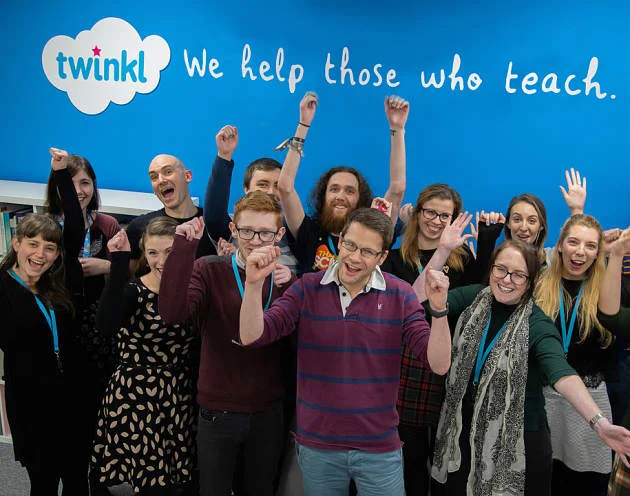
Twinkl is an online educational publishing company established in 2010 and headquartered in Sheffield, UK. Its mission is simple but powerful: “to help those who teach.” Over time it has grown into a global resource hub for teachers, parents, schools, and home‐educators.
Twinkl provides a massive library of printable and digital teaching & learning resources: worksheets, ebooks, interactive games, PowerPoints, assessment tools, display posters, and more. As of recent reports, Twinkl offers access to over one million (or close to it) resources, with new content added regularly.
What started in a spare bedroom by founders Jonathan and Susie Seaton has grown into an EdTech leader serving educators in 200+ countries. During global school closures (e.g. COVID-19), Twinkl even made its resources freely available to support remote learning.
Core Features & Tools of Twinkl
Twinkl isn’t just a digital library of worksheets — it includes several powerful tools and platforms designed to streamline teaching and learning. Here are some of the standout features:
1. Twinkl Go / Learn & Go
This is a secure, browser-based tool offering interactive games, animations, and learning experiences tied closely to curriculum content. Teachers can assign resources to students, and learners can revisit them at their own pace.
2. Concept Videos
Short, focused explainer videos on science, religious education, and other tricky concepts. These are created by educators to reinforce understanding with visual aids.
3. Home Learning Hub / PlanIt Units
For those doing home education, Twinkl’s Home Learning Hub organizes “off the peg” curriculum units (called PlanIt) across age groups, integrating live lessons, resources, and planning support.
4. Editable & Customisable Resources
One of Twinkl’s vital strengths is flexibility: many resources come in editable formats (PowerPoint, Word) so teachers can tailor them to their class needs
5. Cross-Curriculum & Multilingual Support
Twinkl covers all major subjects (maths, English, science, humanities, arts) for primary and secondary levels. It also supports multiple languages (e.g. Arabic, French, German) for international users.
6. Print & Digital Delivery
Resources may be downloaded and printed or used digitally. The Twinkl mobile app facilitates access on the go, even allowing offline use.
Together, these features make Twinkl a comprehensive toolset for modern educators seeking both efficiency and pedagogical depth.
How Twinkl Supports Different Audiences
Twinkl is not a one-size-fits-all tool—it tailors support to various user groups. Let’s see how it serves different audiences:
1. Classroom Teachers
For teachers in schools, Twinkl reduces prep time massively. Ready-made lesson plans, worksheets, and assessments allow focus on instruction rather than administrative tasks.
Also, Twinkl provides display packs, classroom signs, and classroom management tools to enrich the learning environment.
2. Home Educators / Parents
Twinkl’s Home Learning Hub is a lifeline for parents teaching at home. It offers structured curriculum units, live lessons, planning guides, and resources for different age groups.
The flexibility (editable worksheets, multilingual content) is especially helpful when customizing for a child’s pace.
3. International & Multilingual Classrooms
Twinkl supports educators and learners around the globe. It offers curriculum-aligned materials for international systems, and resources in languages other than English.
This global reach means schools in diverse settings can adopt Twinkl without losing relevance.
4. Special Education & Differentiated Learning
Twinkl provides resources targeting SEND (Special Educational Needs and Disabilities) and EAL (English as an Additional Language) populations, enabling differentiated planning. This helps teachers address varied learner needs within one platform.
By serving all these audiences, Twinkl positions itself as more than a worksheet repository—it is a versatile ecosystem for teaching and learning at scale.
Strengths, Challenges & Criticisms
No platform is perfect. Below are Twinkl’s major strengths, and areas where users and critics raise concerns.
Major Strengths
- Time-saving & convenience: Teachers frequently cite the ability to “copy, tweak, and teach” as a game changer.
- High volume of resources: The sheer breadth covers nearly every topic, age group, and subject.
- Quality & reliability: Resources are developed by educators and undergo checks.
- Customisability: Editable formats let teachers adapt to their class’s needs.
- Strong global footprint: Works across curriculums and countries, with multilingual support.
Challenges & Criticisms
- Overreliance risk: Some critics argue that relying too heavily on Twinkl can stifle teacher creativity or lead to “plug-and-play” lessons without adaptation.
- Uniform design aesthetic: Because many resources use a common style, some users feel content can look generic or repetitive.
- Subscription cost concerns: Access to full premium content requires a paid subscription, which some small schools or individual educators may find expensive.
- Depth for higher grades: While Twinkl is strong in primary education, some argue its secondary or advanced content is less comprehensive compared to specialist platforms
Overall, the strengths often outweigh the weaknesses for many users — but awareness and adaptation are key.
Pricing Model & Access Options
Twinkl operates on a subscription model with various tiers offering different levels of access.
Free / Trial Access
A basic free account grants access to a limited number of free resources and a weekly free download. There is also often a free trial or demo period for the full library to allow users to test fully.
Paid Subscription Plans
Paid plans provide unlimited downloads, access to premium content, and full use of tools like Twinkl Go and editable versions.
Schools often take multi-seat or institutional licenses for multiple teachers. Twinkl offers special school licensing and packages.
Value Consideration
Many users find the cost justified by the time saved, high quality, and comprehensiveness of resources. However, for very small or underfunded institutions, balancing budget vs benefit is key.
Tips & Best Practices for Using Twinkl Effectively
To get the most from Twinkl, here are practical tips and strategies:
- Customize, don’t just use off the shelf.
Even though ready-made resources are tempting, adjust wording, examples, or layout to match your students’ needs or your teaching style. - Plan content ahead using PlanIt units.
Use Twinkl’s structured units (especially via the Home Learning Hub) to map out weeks of learning rather than scrambling day by day. - Blend digital and print formats.
Use interactive digital content (Twinkl Go, concept videos) for engagement, and printed worksheets when hands-on work or offline access is needed. - Use the “Suggest a Resource” feature.
Twinkl encourages its community to request missing resources — this helps close gaps and ensures the library evolves with user needs. - Incorporate moderation and variety.
Mix Twinkl materials with teacher-created or student projects to maintain personalization and avoid overreliance. - Leverage resource caching and offline access.
For locations with poor internet, download and save critical resources in advance via the app or platform offline mode. - Stay current with updates.
Twinkl regularly releases new content and updates aligned with curriculum changes — subscribe to newsletters or check update logs.
Conclusion
In the realm of digital education, Twinkl stands out as a powerful, multifaceted platform helping educators save time while delivering high-quality, engaging learning experiences. With a vast, ever-growing resource library, tools like Twinkl Go and the Home Learning Hub, and support for diverse contexts, it’s become indispensable for many teachers and home educators worldwide.
That said, success with Twinkl depends on intentional use — customizing materials, blending with user-created content, and avoiding overdependence. When wielded thoughtfully, Twinkl can free teachers to focus on what they do best: inspiring and guiding learners.
FAQs
1. Is Twinkl free or paid?
Twinkl offers a free basic account with limited access to resources. Full access to its library, editable formats, and advanced features (e.g. Twinkl Go) requires a paid subscription.
2. Can I use Twinkl in countries outside the UK?
Yes. Twinkl supports international curricula, provides resources in multiple languages, and is used by educators in over 200 countries.
3. Can I customize the worksheets?
Absolutely. Many resources come in editable formats (Word, PowerPoint, etc.) so you can adjust to your class’s level or style.
4. Is Twinkl suitable for secondary/high school?
While Twinkl is strongest in primary education, it also offers content for secondary levels, though some critics say its depth in higher grades is less broad compared to specialist platforms.
5. How do I manage student access in Twinkl Go?
You can create learner logins via the “Manage Learner Logins” option under “My Resources.” Twinkl lets you download login labels or share codes with students.

Choosing the right city to live in for your study abroad can shape your entire student experience. Liverpool is a place where great universities, affordable living, and an exciting social life come together. Every year, students move here to study at the University of Liverpool and Liverpool Hope University. Because of this large student community, the city feels lively and easy to settle in. Another advantage of being here is that it is more affordable than many UK cities, helping students manage their budgets better. In this guide, we will explore the best and most affordable areas for students living in Liverpool.
What are the Best and Affordable Areas to Live in Liverpool?
When students move to Liverpool, one of the first questions they ask is: Where should I live that is affordable yet fun? The good news is that Liverpool is a city where you don’t have to choose between budget and lifestyle. Unlike other UK cities where the rent is high, Liverpool has several areas where students can enjoy good housing and lively social spots without overspending. Each of the following areas has its own personality:
1. Everton
One of the most historic areas in Liverpool, Everton, is currently going through huge transformation projects worth more than £5.5 billion. For students and young professionals, it brings new opportunities to the North Liverpool area.
- It is considered one of the most affordable places to live in Liverpool.
- Purchasing homes in this area is more accessible, costing between £150,000-£165,000.
- While the monthly student accommodation rent in Everton ranges from £320- £768.
- Many students coming to Liverpool stay here as the cost of living is 40-50% lower than the city centre.
- Home to Everton Football Club, which has played 123 seasons in the English top division.
Overall, with new developments, affordable student housing, and a strong sporting heritage, it is slowly becoming an attractive place for those who like history.
2. Smithdown Road/Wavertree
Smithdown Road and its nearby Wavertree area are seen as the center of student life. With more than 70,000 students studying here, this district is one of the most popular places to live. It stretches from the edge of Toxteth to Wavertree Playground, which locals call “The Mystery”.
- It is located about 2 miles away from Liverpool city centre.
- Students who are studying at the University of Liverpool can reach the campus within 15 minutes by bus.
- Around 80% of the residents here are students, which helps in creating a lively social atmosphere.
- You will find yourself surrounded by independent cafes and popular student pubs.
- On average, the student accommodation here costs between £95- £145/week.
- Penny Lane, made famous by The Beatles, is situated at the junction of Smithdown Road and Wavertree.
- It has great sports facilities like Wavertree Aquatics Centre.
As a result of this, Wavertree continues to provide the most authentic and affordable student accommodation in Liverpool.
3. Kensington and Edge Hill
These two popular areas sit right next to Liverpool’s main university areas. Because of their location, they provide access to quiet residential areas and the city centre. Students who are studying at Liverpool John Moores University can usually reach the campus in less than 15 minutes by foot.
- The area has got traditional Victorian Brick houses, giving this area a classic Liverpool look.
- It has invested around £100 million in regeneration projects.
- Weekly rent for student housing ranges between £90-£135 here.
- Edge Hill is home to the world’s oldest active passenger railway station.
- Offers peaceful outdoor spaces like Newsham Park, a large 121-acre Victorian Park.
For students living in Kensington and Edge Hill, it means a perfect mix of affordability, green spaces, and access to university life.
4. Ropewalks
Often described as the creative heart of Liverpool’s city centre, the area has a lively atmosphere and strong independent culture. While walking on the streets here, you will notice old 19th century warehouse buildings around.
- Ropewalks are about 10 minutes’ walk away from the main university campuses.
- Here, student apartments and studios cost between £160 and £230/week.
- It is around 25% more expensive than in suburban areas.
- The district is home to FACT (Foundation for Art and Creative Technology).
- Streets like Seel Street are filled with bars, music venues, and restaurants.
- Also ranked among the coolest nightlife streets in the UK.
In this area, history meets modern and energetic lifestyles.
5. Baltic Triangle
As of now, this area is the most exciting and rapidly developing area in Liverpool. In the past, the Baltic Triangle was filled with old industrial warehouses and unused factories. Today, it attracts artists, entrepreneurs, and students who enjoy a lively lifestyle.
- It has more than 500 independent businesses, including technology, start-ups, and cafes.
- Contributes over £900 million to the local economy every year.
- Student accommodationin this area usually costs between £170- £250/week.
- A popular place in this area is the Baltic Market, Liverpool’s first street food market.
- Every weekend more than 10,000 visitors come here, making it a favorite hangout spot for both students and locals.
- With rapid growth, demand for housing in the Baltic Triangle has increased by around 15%.
Being in Baltic Triangle means you will get to explore the city’s new and dynamic side
What are the Top Student Accommodation in Liverpool?
Liverpool is one of the most popular student cities in the UK. It welcomes thousands of students every year because of high quality lifestyle and top-notch education. Because of this, the city offers a variety of student housing including studios, suits, non-ensuites and shared apartments. Many of these properties are close to campus, making it easy to walk from lectures, cafes, shops, and nightlife.
Some of the top student accommodation in Liverpool are:
- Atlantic Point
- Prospect Point Residence
- St Andrew’s Garden
- True Liverpool
- Vita Student Crosshall Street
- iQ Great Newton House
- Art School Lofts
These properties usually include high speed internet, study areas, laundry facilities, security systems, and social spaces. If you are looking for safe and comfortable student housing in Liverpool, try trusted partners like University Living.
Conclusion
Overall, Liverpool provides a great balance of education, lifestyle, and affordability. The city has got several neighborhoods that suit both budget and daily routine. There are some areas here that are close to campus and the city centre, while others offer cheaper rents with a strong student community. As the living costs here are lower than other UK cities, students often find it easier to manage their expenses. With good universities and a lively atmosphere, Liverpool is a comfortable and exciting place to spend your student years.

EEOOII stands for “Escuelas Oficiales de Idiomas”, which translates to Official Language Schools in Spain. These institutions form part of the Spanish public education system and specialize in teaching foreign languages to teenagers and adults. Managed by regional governments but regulated by Spain’s national education framework, EEOOII provide structured language education with officially recognized certifications.
As of 2026, thousands of students across Spain enroll in EEOOII programs each year to learn languages such as English, French, German, Italian, Portuguese, Chinese, and more. These schools play a major role in promoting multilingual education, cultural exchange, and professional language qualifications.
1. What Are EEOOII?
EEOOII (Escuelas Oficiales de Idiomas) are public institutions dedicated to language learning and certification.
Part of Spain’s Public Education System
These schools operate under Spain’s Ministry of Education and regional education departments, ensuring standardized learning programs and certification levels.
Key characteristics include:
-
Government-supported education
-
Official language certifications
-
Affordable tuition compared to private academies
Accessible Language Education
EEOOII programs are designed for:
-
adults seeking professional language skills
-
students preparing for international studies
-
individuals interested in cultural enrichment
This accessibility has made EEOOII one of the largest public language education systems in Europe.
2. History and Development of EEOOII
The history of Spain’s Official Language Schools dates back over a century.
Early Foundations
The first official language schools were created in 1911, aiming to provide structured language education to Spanish citizens.
Over time, the network expanded significantly, especially during the late 20th century as globalization increased the demand for foreign language proficiency.
Expansion Across Spain
Today, hundreds of EEOOII schools operate throughout Spain, including in regions such as:
-
Madrid
-
Catalonia
-
Andalusia
-
Basque Country
-
Murcia
-
Aragon
These institutions collectively serve tens of thousands of students annually.
3. Languages Offered in EEOOII Schools
One of the key strengths of the EEOOII system is its diverse language offering.
Popular Language Programs
The most commonly studied languages include:
-
English
-
French
-
German
-
Italian
-
Portuguese
These languages are widely used in international business, tourism, and education, making them highly popular among students.
Additional Languages
Many schools also offer less common languages, such as:
-
Chinese
-
Japanese
-
Arabic
-
Russian
The availability of languages varies depending on the region and school.
4. Certification Levels in EEOOII
EEOOII follow the Common European Framework of Reference for Languages (CEFR), which standardizes language proficiency across Europe.
CEFR Language Levels
Students progress through several levels:
-
A1–A2: Basic user
-
B1–B2: Independent user
-
C1–C2: Proficient user
These levels correspond to internationally recognized language proficiency standards.
Official Certificates
After completing exams, students receive official language certificates recognized by:
-
universities
-
employers
-
government institutions
These certifications are especially useful for academic admissions and job applications.
5. Events, Conferences, and Educational Collaboration
EEOOII schools also contribute to academic collaboration and language education research.
National Congress of EEOOII
Spain regularly hosts events like the National Congress of Official Language Schools, where educators and experts discuss:
-
language teaching methods
-
digital learning tools
-
educational policies
These conferences help improve teaching quality and innovation.
Educational Partnerships
EEOOII schools often collaborate with:
-
publishing companies
-
language institutes
-
cultural organizations
For example, educational publishers provide specialized learning materials tailored to EEOOII curricula.
6. Why EEOOII Remain Important in 2026
In today’s globalized world, multilingual communication skills are more valuable than ever.
Career Advantages
Learning languages through EEOOII can help individuals:
-
access global education programs
Language proficiency is especially important in sectors such as tourism, business, diplomacy, and technology.
Cultural and Social Benefits
Beyond professional benefits, EEOOII promote:
-
cultural exchange
-
international understanding
-
personal development
Students gain not only language skills but also deeper knowledge of different cultures and societies.
Conclusion
EEOOII (Escuelas Oficiales de Idiomas) represent one of Spain’s most important educational systems for language learning and certification. With a history dating back more than a century, these institutions continue to provide high-quality, affordable language education to thousands of students across the country.
By offering recognized certifications, diverse language programs, and professional teaching standards, EEOOII remain a key part of Spain’s commitment to multilingual education and international communication in 2026 and beyond.

The growing demand for study abroad programs reflects a clear shift in how Indian students approach higher education and career development. International degrees are no longer viewed only as academic achievements. They increasingly represent structured pathways toward global employment opportunities.
For students considering study in abroad for Indian students, placement outcomes have become a major factor when evaluating international universities. Institutions across countries such as the UK, Canada, Australia, and the United States emphasise industry partnerships, practical learning models, and career services that strengthen employability after graduation. These systems provide students with exposure to international work environments while building professional skills valued by global employers.
This article explains seven structured advantages that study abroad programmes provide in improving placement outcomes for Indian students.
Key Takeaways
Before selecting international higher education opportunities, students should evaluate how academic programmes contribute to long-term career development. Strong study abroad programs usually include the following placement-focused elements:
- Courses developed in collaboration with employers to reflect current industry requirements and professional skills.
- Institutions with recognised accreditation and strong graduate employability records that enhance credibility in the global job market.
- Academic programmes that integrate internships or practical training to provide real workplace exposure during study.
- University departments that support resume preparation, interview training, and structured job search strategies.
- Connections with graduates and industry professionals who provide mentorship, career guidance, and employment referrals.
- Exposure to international classrooms that develop cross-cultural communication and collaboration skills.
- Graduate visa pathways in several countries that allow students to gain professional experience after completing their degrees.
1. Industry-Integrated Academic Curriculum
Many international universities design their academic programmes in partnership with industry stakeholders. This ensures that course content remains aligned with current professional demands.
For Indian students pursuing study in abroad for Indian students, this structure allows theoretical learning to be complemented with practical applications. Programmes often include case studies, consulting projects, and applied research assignments developed in collaboration with companies.
Universities in countries such as Australia, the UK, and Canada frequently update curricula based on employer feedback. This approach strengthens graduates’ readiness for professional roles immediately after completing their degrees.
| Important Factors | Placement Advantage |
| Industry collaboration | Courses aligned with real workplace requirements |
| Applied learning | Projects based on real business scenarios |
| Updated curriculum | Skills aligned with current industry demand |
| Skill development | Graduates prepared for professional roles |
2. Built-In Internship and Co-Op Opportunities
Internships represent one of the strongest placement advantages within study abroad programs. Many universities integrate internships directly into their academic structures through co-operative education models or placement semesters.
These experiences allow students to gain professional exposure while still completing their degrees. Employers often prioritise candidates who have demonstrated workplace experience during their academic training.
For Indian students, internships provide an opportunity to understand international business culture, workplace expectations, and industry practices before entering full-time employment.
| Important Factors | Placement Advantage |
| Internship modules | Real-world work experience |
| Co-op programmes | Paid industry placements during study |
| Professional exposure | Understanding workplace culture |
| Skill application | Practical use of academic knowledge |
3. Strong University Career Development Services
Career centres in international universities play an active role in supporting student employability. These departments organise workshops, networking sessions, and employer engagement activities throughout the academic year.
Students pursuing study in abroad for indian students gain access to professional support that includes resume development, interview preparation, and career mentoring. Universities also host job fairs where multinational companies recruit graduates directly from campus.
Such services ensure that students receive structured guidance while transitioning from academic study into professional employment.
| Important Factors | Placement Advantage |
| Career counselling | Guidance on job search strategies |
| Resume workshops | International CV preparation |
| Employer networking | Direct engagement with recruiters |
| Job fairs | On-campus recruitment opportunities |
4. Exposure to Global Work Environments
International education exposes students to multicultural academic and professional environments. Classroom collaboration with peers from multiple countries develops communication skills and cross-cultural awareness.
This exposure benefits Indian students because multinational companies often seek professionals capable of working in diverse teams. Study abroad programs provide an environment where students develop adaptability, leadership skills, and global perspectives.
These competencies improve employability in both international organisations and global companies operating within India.
| Important Factors | Placement Advantage |
| Multicultural classrooms | Cross-cultural communication skills |
| Global teamwork | Collaboration with international peers |
| International exposure | Understanding global business practices |
| Professional adaptability | Skills valued by multinational employers |
5. Access to International Professional Networks
Networking plays a significant role in employment opportunities after graduation. Universities abroad maintain extensive alumni networks that connect current students with industry professionals.
Students pursuing study in abroad for indian students benefit from these connections through mentorship programmes, alumni events, and industry networking sessions. Many graduates secure internships or employment opportunities through professional relationships developed during their academic journey.
These networks extend beyond national boundaries, enabling graduates to explore career opportunities in different global markets.
| Important Factors | Placement Advantage |
| Alumni networks | Professional mentorship opportunities |
| Industry connections | Access to global employers |
| Networking events | Interaction with professionals |
| Career referrals | Job opportunities through connections |
6. Post-Study Work Opportunities
Several countries provide structured post-study work pathways that allow international graduates to gain professional experience after completing their degrees.
These opportunities strengthen the placement advantage of study abroad programs by allowing students to transition directly into employment markets abroad. Countries such as Canada, Australia, and the UK offer post-study work permits that enable graduates to apply their academic knowledge within professional settings.
For Indian students, this period of work experience enhances long-term career prospects and provides valuable international exposure.
| Important Factors | Placement Advantage |
| Post-study work visas | Opportunity to gain global work experience |
| Employment pathways | Transition from study to professional roles |
| Industry exposure | Practical experience in international markets |
| Career progression | Stronger global professional profile |
7. Long-Term Career Value of International Degrees
Graduates from recognised international universities often benefit from enhanced credibility within global job markets. Employers value degrees that demonstrate international exposure, advanced research training, and interdisciplinary learning.
Indian students who complete study in abroad in Indian students programmes frequently return with both academic credentials and international work experience. This combination strengthens their competitiveness in multinational organisations, global startups, and emerging industries.
Educational advisory organisations such as Leverage Edu highlight how international education pathways increasingly integrate career planning with academic study. This shift reflects the broader focus on employability within global higher education systems.
| Important Factors | Placement Advantage |
| Global degree recognition | Credibility in international job markets |
| International work exposure | Strong professional experience |
| Research and innovation | Advanced academic training |
| Global employability | Opportunities across multiple industries |
Why Placement Outcomes Matter for Indian Students
International education requires careful planning and significant financial investment. Placement outcomes therefore, become an important factor when evaluating higher education opportunities abroad.
Study abroad programs that integrate internships, career services, global networking, and post-study work opportunities create stronger professional pathways for graduates. These structures help Indian students transition smoothly from academic learning into meaningful professional roles.
As global industries continue to expand across borders, international degrees increasingly serve as gateways to global careers. Students who approach overseas education strategically can benefit from both academic excellence and long-term professional growth.
FAQs
Q1. How do study abroad programs improve placement opportunities for Indian students?
Ans. Study abroad programs provide industry-aligned curricula, internship opportunities, career services, and exposure to global professional environments.
Q2. Are internships common in international universities?
Ans. Yes, many universities integrate internships, co-op programmes, or placement semesters into the academic curriculum.
Q3. Do universities abroad provide career support services?
Ans. Most international universities maintain career development centres that assist students with resume preparation, interview training, and employer networking.
Q4. Is international work experience beneficial for Indian students?
Ans. Yes, global work exposure enhances employability, develops cross-cultural communication skills, and strengthens career opportunities in multinational organisations.


HUAWEI gt 7: Smart Training for Every Outdoor Adventure

The Tech in Your Home is More Advanced Than You Think – Does It Truly Preserve Your Valuables?
