SPORTS
WIAA Arrowhead High School Waiver Lawsuit: What Happened and What It Means for Student Athletics

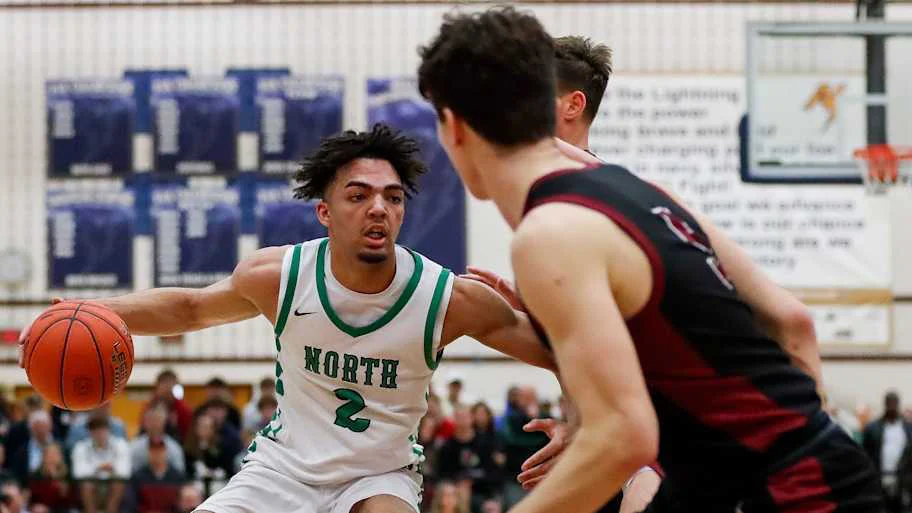
Overview of the WIAA and Arrowhead High School
The Wisconsin Interscholastic Athletic Association (WIAA) oversees high school sports regulations across Wisconsin, ensuring student safety, eligibility, competitive fairness, and school compliance.
Arrowhead High School, one of the state’s largest and most recognized athletic programs, frequently participates in WIAA-regulated sports. Because of its strong athletic presence, the school — like all WIAA-member schools — requires parents and students to sign athletic participation waivers, often addressing injury risks and liability limitations.
The term “WIAA Arrowhead High School waiver lawsuit” refers to public discussions and reports about legal disputes involving the enforceability of athletic waivers, student injuries, and school responsibility within WIAA guidelines. While case details vary, these lawsuits generally revolve around the balance between student safety and liability protections.
Understanding Athletic Waivers in WIAA Schools
Every WIAA school — including Arrowhead High School — uses participation waivers to outline the risks associated with school sports. These waivers commonly include:
-
Acknowledgment of inherent athletic risks
-
Permission to participate
-
Medical treatment consent
-
Liability limitations for schools and coaches
However, waivers do not eliminate all legal responsibilities. Courts typically evaluate whether:
-
The waiver was clear
-
The student or parent understood the risks
-
The school maintained reasonable safety standards
-
Negligence occurred beyond ordinary athletic risk
Because of these limitations, waiver-related lawsuits arise when families believe that a school or staff failed to meet reasonable care obligations, despite the signed document.
Why Waiver-Related Lawsuits Occur
Lawsuits associated with athletic waivers often stem from serious injuries or disputes over safety procedures. Common legal triggers include:
-
Alleged inadequate supervision
-
Equipment failure or improper maintenance
-
Unsafe training environments
-
Protocol violations during practice or competition
-
Whether staff responded appropriately to injuries
In some cases, plaintiffs argue that a waiver cannot excuse negligence, while schools argue the waiver clearly disclosed athletic risks. These cases help shape how courts interpret sports liability, youth safety, and school responsibilities.
How Such Lawsuits Affect WIAA Policies
When waiver disputes reach public attention, they often spark discussion about student safety and regulatory oversight. Although the WIAA does not control individual lawsuits, it frequently updates its guidelines based on broader legal trends.
Typical areas reviewed include:
-
Concussion protocols
-
Heat and conditioning standards
-
Coach certification and training
-
Emergency action plans
-
Medical clearance policies
Schools like Arrowhead may also revise or clarify their waiver language, safety procedures, and parent communication standards to ensure compliance and prevent confusion.
Impact on Students, Families, and Schools
Waiver-related lawsuits have a broader effect beyond the courtroom. They can influence:
For Students & Parents
-
Increased awareness of sports injury risks
-
Clearer understanding of what waivers do and do not cover
-
Greater expectations for school safety and transparency
For Schools & Coaches
-
More consistent safety training
-
Stronger documentation and reporting
-
Improvements to facilities and athletic equipment
-
Better coordination with medical professionals
Ultimately, these cases push schools and athletic programs to prioritize student welfare, ensuring that athletic culture remains safe and supportive.
What the Lawsuit Means for the Future of WIAA Athletics
The topic of the WIAA Arrowhead High School waiver lawsuit highlights ongoing concerns about student safety, legal responsibility, and athletic program management. As youth sports continue to evolve, schools will likely adopt even stricter safety measures and clearer waiver language.
For families, the situation reinforces the importance of thoroughly reading athletic forms, understanding the risks of competitive sports, and staying informed about school policies.
In the bigger picture, these legal conversations strengthen the overall system, pushing WIAA member schools toward higher safety standards, improved communication, and greater accountability.

What Is AS Goal and Why Is It Trending?
AS Goal (اس جول) is one of the most searched and widely used free live sports streaming websites among football fans in the Arab world and Pakistan. The platform has gained massive popularity because it offers live match streams, scores, and updates without requiring expensive subscriptions.
The official domain, as-goal.com, along with its mirror links, provides access to “بث مباشر مباريات اليوم” (live matches today) in real time. Fans who cannot access premium services like beIN Sports or DAZN often turn to AS Goal as a convenient alternative.
Its rise in 2026 reflects a growing demand for accessible, real-time football content, especially in regions where official broadcasts are either restricted or costly.
Key Features of AS Goal Website
Live Streaming and Match Coverage
The core feature of AS Goal is its ability to stream live football matches in HD quality. Users can watch games from top leagues such as:
- Premier League
- La Liga
- Serie A
- Bundesliga
- Ligue 1
- Saudi Pro League & Egyptian League
- AFC Champions League
The platform usually provides multiple streaming servers (Server 1, Server 2, etc.), ensuring backup options if one stream fails.
Scores, Stats, and Commentary
Beyond streaming, AS Goal also delivers:
- Live scores and match timelines
- Team lineups and player stats
- Text commentary (Arabic and sometimes English)
This combination makes it a one-stop hub for football fans who want both viewing and real-time analysis.
Why Football Fans Prefer AS Goal
Free Access Without Subscriptions
One of the biggest reasons for AS Goal’s popularity is its completely free access. Unlike official broadcasters, users don’t need to pay monthly fees or create accounts.
For fans in countries where sports subscriptions are expensive, this becomes a highly attractive option. It essentially removes the barrier between fans and their favorite matches.
Daily Match Updates
The site is updated daily with “أهم مباريات اليوم” (today’s top matches), making it easy to find ongoing and upcoming games. This feature saves time and ensures users never miss major fixtures.
Additionally, its growing presence on YouTube (As Goal channel) provides highlights, previews, and discussions, expanding its reach beyond just streaming.
How to Use AS Goal Safely in 2026
Step-by-Step Access Guide
Using AS Goal is simple, but users should follow a few steps for a smoother experience:
- Visit www.as-goal.com or a working mirror link
- Select the match you want to watch
- Choose from available streaming servers
- Start the live stream
Safety Tips for Users
Because the platform relies heavily on ads, it’s important to stay cautious:
- Use a reliable ad blocker (like uBlock Origin)
- Avoid clicking suspicious pop-ups
- Consider using a VPN, especially in regions where the site may be blocked
These steps help reduce risks and improve streaming performance.
Risks and Legal Concerns
Is AS Goal Legal?
A major concern surrounding AS Goal is that it often provides unauthorized (pirated) streams of live matches. This means the platform operates in a legal gray area or outright violates broadcasting rights in many countries.
Users should understand that accessing such streams may breach local laws or regulations, depending on their location.
Common Issues Users Face
Despite its popularity, AS Goal has several downsides:
- Heavy ads and pop-ups, sometimes malicious
- Unstable streaming quality during high-demand matches
- Links that may suddenly stop working
These issues highlight the trade-off between free access and reliability.
Best Alternatives to AS Goal
Legal and Reliable Options
For users who want safer and more stable experiences, there are several alternatives:
| Platform | Type | Key Features |
|---|---|---|
| beIN Connect | Paid | Official HD broadcasts, no ads |
| Shahid | Paid | Middle East sports + entertainment |
| DAZN | Paid | Global sports streaming |
Free Non-Streaming Options
If you only need updates (not live video), consider:
- FlashScore – Fast live scores and stats
- SofaScore – Detailed analytics and player ratings
- Goal.com – News, previews, and live commentary
These platforms are legal, secure, and widely trusted.
Final Thoughts on AS Goal in 2026
AS Goal remains a highly popular football streaming website due to its free access, wide coverage, and real-time updates. It fills a gap for fans who cannot afford or access premium services, making it a go-to platform for millions.
However, users must balance convenience with caution. The presence of ads, potential security risks, and legal concerns means it’s not always the safest option.
For the best experience, combining AS Goal with trusted score apps or official broadcasters can provide both accessibility and reliability.
“Cricfooty” in 2026, you’re not alone. The keyword has exploded across Google US, appearing in autocomplete suggestions, blog posts, and even “People Also Ask” boxes. Dozens of articles claim it’s the ultimate digital hub combining cricket and football (soccer) into one powerful platform.
But here’s the verified reality:
Cricfooty is not a fully launched, major app, website, or registered sports company.
As of March 2026, there is:
-
No functional official platform
-
No verified founders
-
No confirmed launch announcement
-
No coverage from major sports outlets like ESPN, BBC Sport, Cricinfo, The Athletic, or MLSsoccer.com
-
No working product demo
-
No screenshots of a real dashboard
Even cricfooty.com currently shows only a blank server directory index — not a live sports platform.
So why is it suddenly everywhere?
Let’s break down the complete 2026 truth behind Cricfooty — especially for US searchers.
1. What Is Cricfooty? (The Actual Meaning Behind the Name)
The word “Cricfooty” is a simple portmanteau:
-
Cric = Cricket
-
Footy = Football (soccer)
On paper, the concept sounds smart. A unified hub where fans can:
-
Track IPL and Premier League scores
-
Follow T20s and Champions League matches
-
View real-time stats
-
Access AI-powered insights
-
Join community discussions
And that’s exactly how most blog posts describe it.
But here’s the key detail:
There is no verified, functioning platform delivering these features.
Instead, what exists are dozens of nearly identical promotional articles published between October 2025 and February 2026. These articles typically promise:
-
Real-time live scores for cricket + football
-
Match previews and expert analysis
-
Tactical breakdowns
-
Player statistics dashboards
-
Personalized AI recommendations
-
Cross-platform web + mobile experience
-
Free access with optional premium features
Yet none of them:
-
Link to a working app
-
Show proof of a product
-
Cite official company details
-
Provide business registration data
-
Include screenshots
The idea of Cricfooty is appealing. The platform itself? Unverified and currently non-existent in operational form.
2. The Verified Timeline: When Did Cricfooty Actually Appear?
Let’s strip away the hype and focus on what can be confirmed.
October 2025
The first known promotional-style article appears online titled something similar to “The Rise of Cricfooty.”
It describes a revolutionary sports hub combining cricket and football.
January–February 2026
A sudden explosion of near-duplicate articles appears across low-authority domains such as:
-
futuresbytes.co.uk
-
theexpertmagazine.com
-
oreteai.com
-
jezzieg.com
-
adamsbutler.com
-
theplayhouselv.com (now 404)
All follow the same structure:
-
Over-promotional language
-
Generic feature lists
-
No verifiable sources
-
No official press coverage
March 2026
-
cricfooty.com remains non-functional.
-
No official app listing exists in Apple App Store or Google Play.
-
No corporate registration publicly verified in US or UK records.
That’s the honest, documented timeline.
No stealth beta launch.
No press embargo.
No confirmed roadmap.
Just blog hype.
3. Why Is Cricfooty Trending in US Google Searches in 2026?
Now here’s where it gets interesting.
This isn’t random. It’s strategic.
The Growing US Sports Market
In 2026, American interest in:
-
Indian Premier League (IPL)
-
Major League Cricket (MLC)
-
Premier League
-
UEFA Champions League
-
MLS
has grown significantly.
Streaming platforms like:
-
ESPN+
-
Peacock
-
Paramount+
-
Apple TV
have expanded global sports coverage in the US.
AI-driven SEO farms noticed a trend:
US users are increasingly searching for combined cricket + soccer score platforms.
That’s when the term “Cricfooty” began appearing in mass-produced articles.
How Manufactured Search Trends Work
-
Content farms publish keyword-stuffed articles.
-
Google temporarily indexes and ranks fresh content.
-
Search volume increases due to curiosity.
-
Autocomplete suggestions expand.
-
More people search.
-
More articles get created.
It becomes a loop.
This is the 2026 version of manufactured search demand.
Google’s Helpful Content Update and anti-spam systems are already reducing visibility of pure AI fluff — which is why some early Cricfooty articles have disappeared.
4. Is Cricfooty the Same as CricFy TV or CricFoot.net? (Important Distinction)
Many US users are confused by similar names. Let’s clarify clearly.
CricFoot.net
-
A real, functioning website
-
Focused mostly on football goal highlights
-
Occasionally posts cricket clips
-
Does NOT offer full stats hub features
CricFy TV / CRICFy TV APK
-
Separate product entirely
-
Pirate streaming app
-
Frequently removed from Google Play
-
Flagged for copyright violations
-
Risky and unofficial
Cricfooty
-
No confirmed app
-
No legal streaming service
-
No working platform
-
Primarily exists as blog hype
Important:
If you see a download link claiming to be the “Cricfooty App,” avoid it.
There is no verified official release.
5. What US Sports Fans Should Use Instead (2026 Legit Alternatives)
If you’re an American fan wanting cricket + soccer coverage, here are real, trusted platforms:
For Cricket in the US
-
ESPN+ / ESPN App (official IPL and international coverage)
-
Cricbuzz
-
ESPN Cricinfo
-
Major League Cricket official site
-
Willow TV
For Football (Soccer)
-
Peacock (Premier League)
-
Paramount+ (Champions League)
-
Apple TV (MLS)
-
ESPN+ (LaLiga, Bundesliga)
Best Combined Score Tracking
| Platform | Cricket | Football | Real-Time Scores | Free Option |
|---|---|---|---|---|
| Flashscore | ✅ | ✅ | Excellent | ✅ |
| Sofascore | ✅ | ✅ | Excellent | ✅ |
| TheScore | Limited | ✅ | Good | ✅ |
| Yahoo Sports | Limited | ✅ | Good | ✅ |
If you’re simply looking for:
-
Live scores
-
Match alerts
-
Multi-sport tracking
Flashscore and Sofascore are currently the best US-friendly solutions.
6. Will Cricfooty Ever Become a Real Platform? (2026 Outlook)
Here’s the honest answer:
It’s possible — but currently unproven.
The idea makes business sense.
Cricket viewership in the US is rising due to:
-
Major League Cricket expansion
-
South Asian diaspora growth
-
Streaming accessibility
Soccer growth is accelerating because of:
-
2026 FIFA World Cup in North America
-
MLS expansion
-
Premier League dominance
A unified sports hub targeting both audiences could work.
But until there is:
-
A registered company
-
A verified launch
-
Media coverage from trusted outlets
Cricfooty remains concept-level hype, not a live product.
Frequently Asked Questions (US Search Optimized – 2026)
Is Cricfooty a real app or website?
No active, fully functional platform exists as of March 2026.
Why does Cricfooty show up in Google autocomplete?
Because multiple SEO-driven blog articles created artificial search demand.
Is Cricfooty the same as CricFy TV?
No. CricFy TV is a separate pirate streaming APK. Different product entirely.
Is Cricfooty safe to click?
Blog articles are generally harmless but low-quality. Avoid any APK downloads claiming to be a Cricfooty app.
Will Cricfooty launch officially?
There is no confirmed launch date or verified company backing it.
Bottom Line for 2026
Cricfooty is currently an internet marketing phenomenon — not a verified sports platform.
It’s a catchy name combining two of the world’s fastest-growing sports in the US: cricket and football (soccer). AI-driven content farms amplified it to capture sports search traffic.
But as of now:
-
No working site
-
No official app
-
No verified company
-
No major media coverage
For US sports fans, stick with trusted, licensed platforms until a real Cricfooty product — if it ever exists — is officially announced.

Nueraji vs Crosbie Prediction: The welterweight clash between Taiyilake Nueraji and Kiefer Crosbie at UFC Fight Night: Walker vs. Zhang (August 23, 2025 – Shanghai, China) turned into one of the most controversial and talked-about finishes of 2025.
Originally expected to be a showcase for China’s rising prospect, the bout delivered fireworks — and debate — after an illegal knee, a two-point deduction, and a brutal elbow stoppage.
Here’s the full 2026 breakdown for US and global MMA fans.
Quick Result: Who Won Nueraji vs Crosbie?
Taiyilake Nueraji def. Kiefer Crosbie by TKO (elbows) – Round 1, 3:33
Key Moment
-
Nueraji landed an illegal knee to a seated Crosbie.
-
Referee Marc Goddard deducted two points.
-
Fight resumed.
-
Nueraji swarmed with ground-and-pound elbows for the TKO finish.
The result improved Nueraji to 12–1 (3–0 UFC) and instantly placed him on the radar as one of China’s top welterweight prospects.
Fighter Profiles & Tale of the Tape
Taiyilake Nueraji (“Super Saiyan”)
-
Record (post-fight): 12–1–0
-
Age at fight: 24
-
Height/Reach: 6’2″ / 75”
-
Style: Aggressive striker (knees, elbows, pressure)
-
Finishes: 11 KO/TKO wins (92% finish rate)
Nueraji entered the bout as a fast-rising Chinese prospect with serious knockout power and a flashy, high-volume striking style. Fighting in front of 15,000+ fans in Shanghai, he had clear home advantage.
Kiefer Crosbie (“BDK”)
-
Record (post-fight): 10–6–0
-
Age at fight: 35
-
Height/Reach: 6’0″ / ~74”
-
Style: Pressure fighter, durable brawler
-
Strengths: Toughness, experience, takedown defense
Crosbie, representing SBG Dublin (Ireland), came into the fight on a difficult UFC skid. Known for grit and resilience, he needed a statement performance to stay on the roster.
Pre-Fight Prediction & Betting Odds
Official Betting Odds (August 2025)
-
Taiyilake Nueraji -500 (heavy favorite)
-
Kiefer Crosbie +385 (underdog)
Most sportsbooks had Nueraji as a dominant favorite due to:
-
Youth advantage (11 years younger)
-
Higher finishing rate
-
Home crowd boost
-
Crosbie’s recent first-round losses
Expert Prediction Consensus
Over 80% of analysts predicted:
-
Nueraji by Round 1 or Round 2 TKO
Crosbie’s clearest path to victory was:
-
Survive early
-
Extend into later rounds
-
Force a gritty war
However, against an explosive striker in hostile territory, that path was narrow.
Round 1 Recap – What Actually Happened
Fast & Furious Opening
The fight began at a blistering pace:
-
Nueraji pressed forward immediately.
-
Crosbie absorbed heavy shots.
-
A knockdown sent Crosbie to the canvas.
The Illegal Knee Controversy
While Crosbie was seated against the fence, Nueraji threw a clear illegal knee to the head.
Referee Marc Goddard:
-
Stopped the action
-
Deducted two points
-
Allowed the fight to continue after brief recovery
This became the central controversy of the bout.
Many fans argued:
-
Crosbie needed more recovery time.
-
The foul significantly altered the fight.
-
A disqualification could have been justified.
The Finish (3:33, Round 1)
After the restart:
-
Nueraji secured top position.
-
Unleashed a barrage of brutal elbows.
-
Forced the referee stoppage.
Despite the deduction, the dominant ground-and-pound sealed the TKO win.
Fight Stats & Performance Highlights
Significant Strikes
Nueraji landed the majority of meaningful damage — particularly elbows from top control.
Control Time
After the foul sequence, Nueraji dominated positionally.
Finish Rate
The win marked his 12th career stoppage (11th by strikes).
It reinforced his identity as a high-risk, high-reward finisher.
Post-Fight Reactions & Fallout
Crosbie’s Reaction
Crosbie expressed frustration regarding:
-
Limited recovery time
-
Impact of the illegal knee
-
Referee handling
Many analysts debated whether:
-
The fight should have been paused longer
-
The foul altered the competitive balance
Nueraji’s Celebration
Nueraji celebrated passionately in front of his home crowd, embracing the spotlight as China’s newest welterweight contender.
Current Status (March 2026)
Taiyilake Nueraji
-
Record: 12–1
-
UFC: 3–0
-
On a 6-fight win streak
-
Rising within the welterweight division
Expect him to face ranked opposition in his next appearance.
He is widely considered one of:
China’s brightest UFC prospects in 2026.
Kiefer Crosbie
-
UFC record: 0–3 in most recent stint
-
Released in November 2025
-
Currently competing regionally
Crosbie remains respected for toughness but now rebuilds outside the UFC.
Betting Lessons from Nueraji vs Crosbie
This fight became a case study in MMA betting:
1. Heavy Favorites Can Still Create Chaos
Even at -500, drama unfolded due to rule violations.
2. Fouls Can Change Fight Momentum
Illegal strikes, deductions, and referee decisions can dramatically shift outcomes.
3. Home Crowd Energy Matters
Fighting in Shanghai clearly energized Nueraji.
-
Referee tendencies
-
Fighter discipline
-
Emotional fight environments
Why This Fight Still Matters in 2026
The Nueraji vs Crosbie bout remains relevant because:
-
It showcased China’s growing UFC presence.
-
It sparked debate over foul management.
-
It elevated Nueraji’s star power.
-
It ended Crosbie’s UFC run.
For fans searching:
“Nueraji vs Crosbie prediction”
“Nueraji illegal knee”
“Taiyilake Nueraji UFC Shanghai”
This fight is now remembered as a breakout moment wrapped in controversy.
Final Verdict
The pre-fight prediction proved correct — Taiyilake Nueraji’s explosive striking overwhelmed Kiefer Crosbie early.
However, the illegal knee and referee decision ensured this wasn’t just a routine prospect win — it became one of the most debated finishes of UFC 2025.
As of 2026:
-
Nueraji is climbing.
-
Crosbie is rebuilding.
-
The Shanghai opener remains a highlight-reel controversy.
FAQs
Who won Nueraji vs Crosbie?
Taiyilake Nueraji won via Round 1 TKO (3:33).
Was there an illegal knee?
Yes — Nueraji landed a knee to a seated Crosbie and received a two-point deduction.
What were the betting odds?
Nueraji was a heavy -500 favorite; Crosbie was +385.
Is Nueraji ranked now?
As of early 2026, he is climbing toward ranked welterweight contention.


Exploring Sustainable Packaging Solutions with PVC-Free Closures

HUAWEI gt 7: Smart Training for Every Outdoor Adventure