LIFE STYLE
Wired Earbuds: Why They’re Still Worth It in a Wireless World


Introduction to wired earbuds
wired earbuds In a tech landscape increasingly dominated by Bluetooth and wireless gadgets, you’d think wired earbuds would’ve become obsolete by now. But surprisingly, that’s far from the case. While flashy wireless options get all the attention, wired earbuds continue to quietly prove their value in a range of everyday scenarios. Whether you’re an audiophile, student, frequent traveler, or just someone who wants reliable sound without the battery drama, there are still plenty of reasons to appreciate these old-school champions.
In this article, we’re going to dive deep into why wired earbuds are still relevant, the types available, their pros and cons, and even some of the best models you can buy right now. So plug in and let’s explore why wired earbuds deserve more credit than they get.
The Enduring Appeal of Wired Earbuds
Even with the hype surrounding AirPods and other wireless audio gear, wired earbuds haven’t disappeared. In fact, they’ve held strong for one big reason: they just work. There’s no charging involved, no Bluetooth pairing, and no worrying about software compatibility. You simply plug them into a headphone jack or adapter, and you’re good to go.
Another big factor is sound quality. While wireless technology has come a long way, there’s still something pure and uninterrupted about analog audio. Wired earbuds can deliver full, rich sound without compression artifacts that sometimes plague Bluetooth devices. This makes them especially appealing to music lovers and anyone who values clean, crisp audio.
Plus, there’s the price. Most wired earbuds are significantly cheaper than their wireless counterparts. For the same price as a budget pair of wireless buds, you can often score a pair of wired ones with superior sound quality and durability. That’s especially appealing if you’re prone to losing your earbuds—or if you simply want a solid backup pair.

Types of Wired Earbuds You Should Know About
Wired earbuds might seem straightforward, but there’s actually a fair bit of variety in this space. Not all wired earbuds are created equal, and depending on what you need them for, some types may suit you better than others.
1. Standard 3.5mm Jack Earbuds
This is the classic type most people think of. These earbuds come with a 3.5mm audio plug that fits into smartphones, laptops, tablets, and other audio devices. They’re compatible with a wide range of gadgets (unless, of course, your phone doesn’t have a headphone jack—more on that later). These are usually budget-friendly, easy to use, and great for casual listening.
2. USB-C and Lightning Connector Earbuds
Since many newer smartphones, especially from Apple and Google, have ditched the headphone jack, wired earbuds have evolved too. Now you can find models with USB-C connectors for Android phones or Lightning connectors for iPhones. They plug directly into your charging port and still offer the benefits of wired audio.
These types might be slightly pricier than standard 3.5mm ones, but they’re a great solution if you don’t want to mess with dongles or adapters. The sound quality is still strong, and many of them come with built-in digital-to-analog converters (DACs) to improve performance.
3. Audiophile and Studio-Grade Earbuds
If you’re serious about your sound, there’s a whole category of wired earbuds built just for you. These typically feature enhanced drivers, superior noise isolation, and premium materials. Brands like Shure, Sennheiser, and Etymotic specialize in high-end wired earbuds that deliver studio-level sound in a compact package.
These aren’t your average earbuds—they’re tuned for precision, detail, and a balanced audio experience. You’ll pay more, but if sound fidelity matters to you, they’re absolutely worth it.
The Pros of Choosing Wired Earbuds
It’s easy to assume that wireless is better just because it’s newer. But wired earbuds bring a lot to the table that wireless ones can’t always match. Let’s break down the biggest advantages.
1. No Battery, No Hassle
One of the best things about wired earbuds is that they don’t need to be charged. Ever. That means you’ll never find yourself in a situation where your earbuds die in the middle of a workout, commute, or Zoom meeting.
This makes wired earbuds incredibly convenient for people who don’t want one more gadget to charge or maintain. You simply pick them up, plug them in, and you’re set.
2. Better Sound Quality at a Lower Price
As mentioned earlier, wired earbuds can often outperform wireless models when it comes to raw sound quality—especially when comparing products in the same price range. Because there’s no need to compress the audio signal for wireless transmission, the result is clearer mids, punchier bass, and overall more accurate sound.
If you’re an audiophile on a budget, a good pair of wired earbuds can be your best friend. You don’t have to drop hundreds to enjoy high-quality audio.
3. Lower Latency
For gamers, video editors, and even people who watch a lot of YouTube or TikTok, latency is a big deal. Bluetooth can sometimes introduce a slight delay between what’s happening on screen and the sound you hear. Wired earbuds eliminate that issue. They deliver real-time audio without lag, making them perfect for time-sensitive applications.
The Cons You Should Consider
Of course, wired earbuds aren’t perfect. They do have some downsides that might make wireless options more appealing depending on your needs.
1. Tangled Cables and Portability Issues
If there’s one universal complaint about wired earbuds, it’s that they get tangled. Even with cable management systems or magnetic clips, it’s tough to avoid the dreaded spaghetti mess after tossing them in your bag or pocket.
While it’s not a dealbreaker for everyone, it can be annoying enough to push some people toward wireless options, especially for daily use.
2. Compatibility Limitations
With more devices ditching the headphone jack, using wired earbuds sometimes requires an adapter or special connection type. If you’re switching between multiple devices—like a laptop with a 3.5mm jack and a phone with USB-C—you might need different pairs or extra accessories.
This fragmentation can be frustrating, though some high-quality brands now include adapters to make things easier.
3. Less Freedom of Movement
Cords can get in the way. Whether you’re running, working out, or simply trying to multitask around the house, the cable can limit your range of motion. Wireless earbuds give you the freedom to move around without being physically tethered to your device.
That said, some wired earbuds do come with clip-on designs or behind-the-neck cables to reduce this issue. But it’s still something to think about if mobility is important to you.
The Best Wired Earbuds Available Right Now
If you’re sold on the benefits of wired earbuds and looking for a solid pair to buy, here are a few top-rated options across different budgets and use cases.
1. Sony MDR-EX155AP
These are lightweight, affordable, and sound great for the price. They come with a built-in microphone and remote, making them ideal for casual use and phone calls. Plus, they’re super comfy for long listening sessions.
2. 1MORE Triple Driver In-Ear Headphones
A bit more premium, these wired earbuds offer phenomenal sound quality with three drivers in each earbud. That means cleaner highs, mids, and bass. They also come with an aluminum body, tangle-resistant cable, and a sleek carry case.
3. Shure SE215
For those who take their audio seriously, the Shure SE215s are a fantastic pick. They offer excellent noise isolation and professional-grade sound. They also feature detachable cables, which is a rare and welcome bonus in the earbud world.
Who Should Still Be Using Wired Earbuds?
While wireless earbuds are great for general convenience, wired earbuds still shine for certain users and scenarios.
- Students and office workers: They’re affordable, durable, and great for long study or work sessions.
- Musicians and audio professionals: No latency, no signal loss, and better audio fidelity.
- Travelers: No need to worry about running out of battery mid-flight.
- Budget-conscious buyers: Great performance without the premium price tag.
- Anyone sick of Bluetooth bugs: Say goodbye to pairing issues or software glitches.
Conclusion:
The tech world moves fast, and trends come and go. But wired earbuds have stood the test of time for good reason. They’re simple, reliable, affordable, and in many cases, superior in audio quality to their wireless rivals. Sure, they’re not as trendy, but for people who prioritize function over flash, they’re still one of the best audio options out there.
So the next time you see someone rocking a pair of classic wired earbuds, don’t scoff. They might just be onto something.

For people who divide their time between early-morning runs, weekend rides, mountain trips, and a few quiet hours on the golf course, a smartwatch needs to do more than display notifications. It should support movement in changing conditions, make training information easier to understand, and remain dependable when a charger is not close at hand. That is the idea behind the new HUAWEI gt 7, a sports-focused smartwatch designed for active routines and longer days outdoors.
Rather than treating fitness as a single workout, the watch is built around the way many adults actually train. A session may begin with a commute by bike, continue with a demanding climb, and end with recovery planning for the next day. With dedicated outdoor sports modes, physical readiness insights, a quick-release strap system, and extended battery performance, the GT 7 series is positioned as a practical tool for structured activity and everyday wear.
Built for a More Active Outdoor Routine
Outdoor training rarely follows a perfectly controlled schedule. Weather can change, routes can become more demanding, and the same activity can feel different from one day to the next. The HUAWEI gt 7 is designed to help users stay connected with their training data while moving through these changing conditions.
Its appeal is especially clear for adults between 25 and 45 who want to make exercise part of a sustainable lifestyle. This audience may not train for competition every day, but still cares about pace, distance, effort, consistency, and recovery. A useful sports smartwatch should therefore offer meaningful information without making every activity feel unnecessarily complicated.
The GT 7 supports a wide range of exercise scenarios, with a particular focus on skiing, cycling, golf, and running. These activities place different demands on the body and the environment. Skiing involves cold temperatures, elevation changes, and variable terrain. Cycling can involve long distances and changing speeds. Running requires attention to rhythm and endurance, while golf combines walking, outdoor exposure, and many hours of low-intensity movement. The watch is designed to fit naturally into each of these routines.
New Skiing and Cycling Modes for Outdoor Sports
One of the key features of the Watch GT 7 series is its all-new skiing and cycling modes. These modes reflect the needs of people who want more than a general workout label when they are outdoors.
Skiing can involve fast descents, repeated runs, lift rides, and long periods in cold conditions. A dedicated skiing mode gives users a more relevant way to organize and review activity data from a day on the slopes. It can also make it easier to distinguish between different stages of the experience, from warm-up movement to more demanding runs. For skiers who plan trips around fitness and exploration, having a watch designed with this activity in mind adds practical value to the overall experience.
Cycling presents a different set of challenges. Road cyclists may focus on endurance and steady pacing, while recreational riders may be more interested in distance, route progress, and maintaining a comfortable effort. The new cycling mode is intended to support both types of riding by helping users monitor their session in a clear and accessible way. On a weekend ride, this can encourage better pacing and help turn an informal outing into a more consistent training habit.
Outdoor data is most useful when it supports decisions. A cyclist can use session information to judge whether to extend a route, take a recovery break, or keep the effort controlled. A skier can review activity patterns after a day outside and make a better plan for the next session. The goal is not to overwhelm users with numbers, but to give them information that relates directly to how they move.
Physical Readiness Score for Smarter Training Management
Training progress depends on more than the number of workouts completed. Sleep, daily workload, previous exercise, and general fatigue can all influence how a person feels before starting a session. The Physical Readiness Score on the GT 7 is designed to help users consider this broader picture.
For a regular runner, this type of insight can encourage a more balanced approach to weekly training. A planned run may feel appropriate after a comfortable recovery day, while a lighter session may be more sensible after several demanding workouts. For a cyclist preparing for a longer ride, the score can become part of a daily routine that includes checking personal condition before deciding on distance and intensity.
This is not about replacing personal judgment. Instead, it provides an additional reference point for people who want to understand their body and manage activity more carefully. Science-based exercise management begins with recognizing that every training day is different. A physical readiness indicator can help users avoid treating every session as a test of maximum performance.
The feature may also be useful for people balancing exercise with work and family commitments. Many adults cannot follow a rigid training schedule, so they need flexible guidance that adapts to real life. By checking readiness alongside recent activity, users can select a suitable level of effort instead of abandoning exercise altogether or pushing too hard.
Support for Running, Golf, and Everyday Movement
Running remains one of the most accessible ways to build endurance, and the GT 7 is suited to runners who value regular progress. Whether the goal is a short weekday run or a longer weekend session, the watch can serve as a convenient training companion. Users can build awareness around their movement patterns and use recorded sessions to understand how their routine develops over time.
For golf, the value of a smartwatch extends beyond the swing itself. A round can last several hours and involve substantial walking, changing weather, and repeated movement between holes. Wearing a watch that is comfortable for long periods allows golfers to keep track of their activity without interrupting the experience. The outdoor setting also makes durable design and battery life particularly important.
The GT 7 series is equally relevant during non-sporting parts of the day. A morning walk, a cycle to work, or an unplanned hike can all become part of a broader picture of personal activity. This makes the watch a natural fit for users who do not separate “training” from the rest of their active lifestyle. Movement becomes easier to manage when it is visible, consistent, and connected to daily habits.
EasyCross Strap for Quick Changes
Outdoor enthusiasts often use different accessories for different activities. A runner may prefer a lightweight feel, while a cyclist or golfer may choose a style that fits more comfortably with everyday clothing. The EasyCross Strap system is designed to make strap changes faster and more convenient.
A quick-release design is especially useful for people who move between work, exercise, and social plans during the same day. Instead of treating the watch as equipment reserved for one sport, users can adjust its appearance and feel to match the occasion. This supports the GT 7’s role as both a performance-focused device and an everyday wearable.
The feature also suits seasonal activity. A user may spend winter weekends skiing, spring mornings cycling, and summer evenings running. Easy strap changes make it simpler to adapt the watch to these different routines. Small practical details often determine whether a wearable becomes part of a habit, and a straightforward strap system reduces one more barrier to regular use.
For those considering the HUAWEI gt 7 for daily sports and outdoor use, this flexibility adds to its appeal. The watch can remain on the wrist through a changing schedule, while the strap can be adjusted when comfort, appearance, or activity requirements change.
Up to 21 Days of Battery Life
Long outdoor sessions require dependable power. A smartwatch that needs frequent charging can become inconvenient for runners, cyclists, and travelers, particularly when they spend several days away from home. The GT 7 offers up to 21 days of battery life, giving users more freedom to focus on their activity rather than constantly checking the remaining charge.
Actual battery performance can vary according to settings, usage, and the features being used. Even so, an extended battery design is valuable for people with active schedules. A multi-day hiking trip, a ski holiday, or a cycling weekend may involve limited access to charging equipment. Longer endurance helps users keep their activity records and daily functions available across more of the journey.
Battery life also supports consistency. If a person can wear the watch through workdays, training sessions, rest days, and weekend activities without frequent interruptions, it becomes easier to build a complete view of their lifestyle. That continuity can be useful when reviewing exercise patterns and considering how daily movement relates to physical readiness.
For busy users, fewer charging interruptions also make the device easier to maintain. The watch can be placed on the wrist in the morning and remain part of the day’s routine through commuting, outdoor exercise, and evening recovery. Reliable endurance turns a smartwatch from occasional sports equipment into a more continuous training companion.
A Practical Design for Serious but Flexible Training
The new HUAWEI GT 7 series is aimed at users who take outdoor activity seriously while still wanting flexibility. It brings together dedicated skiing and cycling modes, a Physical Readiness Score, the EasyCross Strap system, and long battery performance in one wearable platform.
Its strongest use cases are easy to understand: a skier reviewing a day on the mountain, a cyclist managing effort over a longer route, a golfer tracking movement across 18 holes, or a runner building a more measured weekly routine. In each situation, the watch is intended to make activity data more relevant and daily training decisions more informed.
The result is a sports smartwatch that fits a modern outdoor lifestyle—one where exercise may happen before work, during travel, or as part of a weekend adventure. With a focus on professional sports data, outdoor assistance, thoughtful training management, and dependable endurance, the GT 7 is designed for people who want their wearable technology to keep pace with the way they actually live.
Sunless tanning lotion sun lab products have become a go-to solution for achieving a radiant, bronzed look without exposing your skin to harmful UV rays. Whether you’re preparing for a special event or maintaining a year-round glow, sunless tanning lotion sun lab formulas provide a safe and effective alternative to traditional tanning methods. In this guide, we’ll explore everything you need to know about sunless tanning lotion sun lab products, from how they work to tips for flawless application.
Why Choose Sunless Tanning Lotion Sun Lab for a Healthy Glow
When it comes to achieving a sun-kissed look, sunless tanning lotion sun lab options stand out for their convenience and skin-friendly benefits. Unlike sunbathing or tanning beds, sunless tanning lotion sun lab solutions use active ingredients like DHA (dihydroxyacetone) to create a temporary tan by reacting with the outer layer of your skin.
One of the biggest advantages of sunless tanning lotion sun lab products is their ability to deliver consistent, customizable results. You can choose lighter shades for a subtle glow or deeper tones for a more dramatic bronze. Additionally, sunless tanning lotion sun lab formulas are often enriched with moisturizing ingredients, helping your skin stay hydrated and smooth.
Another reason to opt for sunless tanning lotion sun lab is the reduced risk of premature aging and skin damage. UV exposure is known to cause wrinkles, sunspots, and even skin cancer, making sunless tanning lotion sun lab a safer alternative for beauty-conscious individuals.
How Sunless Tanning Lotion Sun Lab Works
Understanding how sunless tanning lotion sun lab products work can help you achieve better results. The key ingredient, DHA, interacts with amino acids on the skin’s surface to produce a darker pigment. This reaction typically develops over several hours, which is why sunless tanning lotion sun lab products often require some patience after application.
The beauty of sunless tanning lotion sun lab is that it works on the outermost layer of skin, meaning the color gradually fades as your skin naturally exfoliates. This makes sunless tanning lotion sun lab an excellent option for those who want temporary results without long-term commitment.
For best results, applying sunless tanning lotion sun lab evenly is crucial. Uneven application can lead to streaks or patchiness, so taking your time is essential.
Preparing Your Skin for Sunless Tanning Lotion Sun Lab
Preparation is key when using sunless tanning lotion sun lab products. Start by exfoliating your skin thoroughly to remove dead skin cells. This step ensures that the sunless tanning lotion sun lab applies smoothly and evenly.
Pay special attention to dry areas like elbows, knees, and ankles, as these spots tend to absorb more product. Applying a light moisturizer before using sunless tanning lotion sun lab can help prevent uneven coloration.
Shaving or waxing should also be done at least 24 hours before applying sunless tanning lotion sun lab. This allows your pores to close and reduces the risk of irritation or dark spots.
Application Tips for Sunless Tanning Lotion Sun Lab
Applying sunless tanning lotion sun lab correctly can make all the difference in your final results. Begin by using a tanning mitt to ensure even distribution and to avoid staining your hands. Apply the sunless tanning lotion sun lab in circular motions, working one section at a time.
Start with a small amount of sunless tanning lotion sun lab and build up gradually. This helps you maintain control and avoid applying too much product at once. Blending is crucial, especially around joints and contours.
After applying sunless tanning lotion sun lab, allow it to dry completely before getting dressed. Wearing loose, dark clothing can help prevent transfer while the tan develops. Avoid water and sweating for at least 6–8 hours after applying sunless tanning lotion sun lab.
Maintaining Your Sunless Tanning Lotion Sun Lab Glow
Once you’ve achieved your desired color with sunless tanning lotion sun lab, maintaining it becomes the next priority. Hydration plays a major role in extending the life of your tan. Using a daily moisturizer helps keep your skin smooth and prevents uneven fading.
Avoid harsh exfoliants or long hot showers, as these can strip away your sunless tanning lotion sun lab color more quickly. Instead, opt for gentle cleansers and lukewarm water to preserve your glow.
Reapplying sunless tanning lotion sun lab every few days can help maintain a consistent tone. Gradual tanning formulas are especially useful for touch-ups, allowing you to build color without overdoing it.
Common Mistakes to Avoid with Sunless Tanning Lotion Sun Lab
Even though sunless tanning lotion sun lab products are easy to use, there are some common mistakes to watch out for. Skipping exfoliation is one of the biggest errors, as it can lead to patchy results. Always prep your skin before applying sunless tanning lotion sun lab.
Another mistake is applying too much product at once. Overloading your skin with sunless tanning lotion sun lab can result in an unnatural or streaky appearance. Instead, use thin layers and build gradually.
Neglecting to wash your hands or use a mitt can also cause uneven staining. Always take precautions to ensure a smooth and professional-looking finish when using sunless tanning lotion sun lab.
Choosing the Right Sunless Tanning Lotion Sun Lab Product
Not all sunless tanning lotion sun lab products are created equal, so choosing the right one is important. Consider your skin tone and desired level of darkness when selecting a formula. Many sunless tanning lotion sun lab options come in light, medium, and dark variations.
Look for sunless tanning lotion sun lab products that include nourishing ingredients like aloe vera, vitamin E, or natural oils. These additions help keep your skin hydrated and enhance the overall appearance of your tan.
If you’re new to sunless tanning lotion sun lab, starting with a gradual formula can be a great way to ease into the process. These products allow you to build color slowly and reduce the risk of mistakes.
Conclusion
Sunless tanning lotion sun lab products offer a safe, effective, and convenient way to achieve a beautiful, bronzed glow without the risks associated with UV exposure. By understanding how sunless tanning lotion sun lab works and following proper preparation and application techniques, you can enjoy flawless, long-lasting results.
From choosing the right formula to maintaining your tan, sunless tanning lotion sun lab provides flexibility and control for every skin type. With the right approach, you can achieve a natural-looking tan that enhances your confidence and complements your lifestyle.
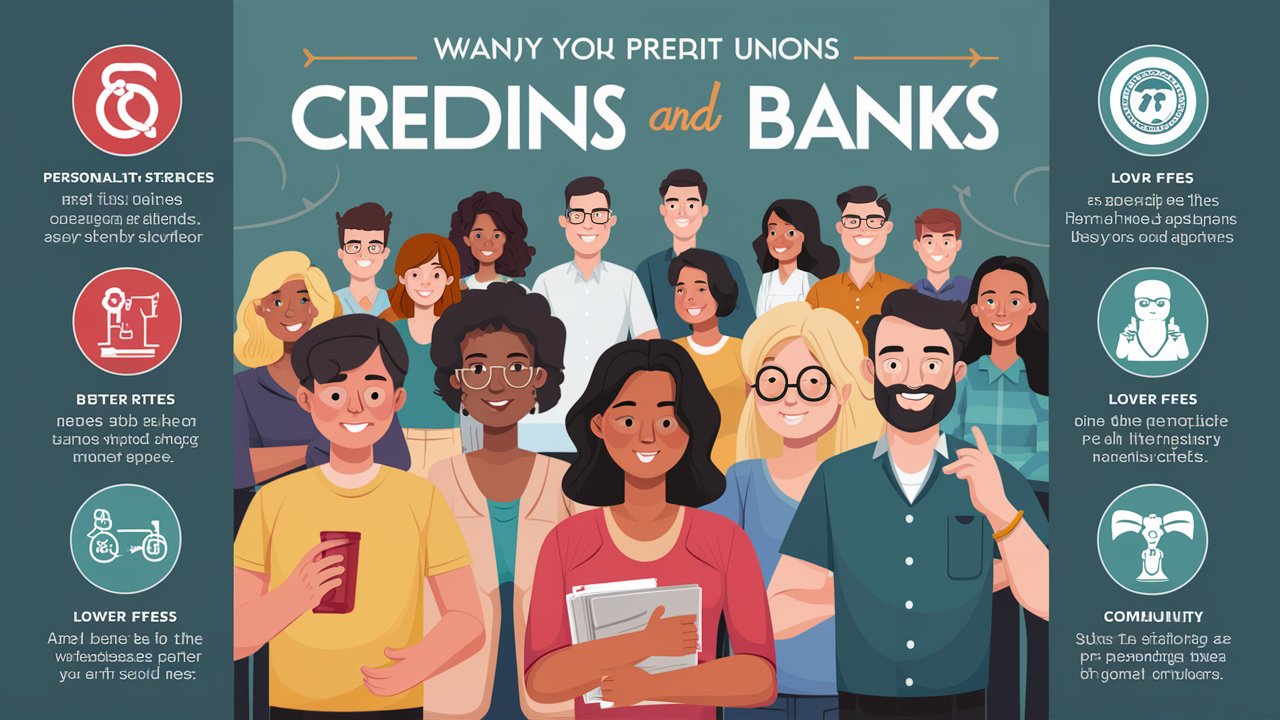
Most people rely on traditional banks for savings accounts, loans, and other financial services, as they’ve been the default choice for decades. However, an increasing number of consumers are turning to credit unions—and it’s easy to see why. Unlike big banks, credit unions are member-owned and not-for-profit, which means they often provide more personalized service, lower fees, and better interest rates on loans and savings. They are also rooted in local communities, reinvesting in the areas they serve. Understanding this growing trend can help you weigh the benefits and decide if switching to a credit union aligns with your financial goals and values.
What Sets Credit Unions Apart?
Credit unions are not-for-profit cooperatives owned by their members. Unlike banks, which focus on profits for shareholders, credit unions prioritize their members’ financial well-being. This often means lower fees, better interest rates, and a more personalized experience. Members are treated as part-owners, with an equal vote in key decisions. This member-focused approach makes credit unions a strong alternative to traditional banks, combining financial benefits with community values.
Lower Fees and Better Rates
Credit unions are a great choice for saving money. They offer lower fees on services like checking accounts and ATM usage, along with better interest rates on loans and savings accounts. For families and small businesses, these benefits can make a big difference. Whether you’re financing a car, growing your savings, or covering everyday expenses, credit unions provide affordable, practical solutions. Even small savings on fees or interest rates can add up over time, helping you manage loans or save for the future.
Personalized Member Service
Credit unions stand out for their personalized customer service and commitment to their members. Unlike large banks that often prioritize profits, credit unions operate on a smaller, member-focused scale, emphasizing meaningful relationships and tailored support. Members don’t have to deal with impersonal call centers or automated systems—instead, they interact with representatives who understand not only their financial goals but also the nuances of the local economy. This local expertise allows credit unions to offer advice and solutions that truly resonate with their members’ needs.
Community Impact and Local Focus
Credit unions play a key role in supporting local communities. They sponsor events, offer financial literacy programs, and assist small businesses and charities, becoming trusted pillars in many areas. This commitment isn’t just about public image—it strengthens the region’s economic health. When members see their money supporting causes they care about, it builds trust and confidence. Joining a credit union is more than a financial choice; it’s a chance to connect with the community and contribute to something beyond traditional banking.
Accessibility and Modern Tools
Many think credit unions lag behind big banks in digital tools, but that’s not true. Modern credit unions offer mobile banking apps, online account management, mobile deposits, and more, making banking easy and efficient. They’ve embraced technology without losing their personal touch, blending digital convenience with community-focused service. This appeals to both tech-savvy younger users and older members who value trust and care.
Conclusion
More people are choosing credit unions for better financial control, great service, and values-driven banking. Utah’s credit unions are a trusted choice for individuals, families, and small businesses seeking a practical, community-focused approach to finances. Whether you’re saving, looking for a low-interest loan, or wanting a more cooperative banking experience, credit unions put their members first. Switching to a credit union isn’t just smart—it brings lasting benefits.


HUAWEI gt 7: Smart Training for Every Outdoor Adventure

The Tech in Your Home is More Advanced Than You Think – Does It Truly Preserve Your Valuables?